Introduction
The outbreak of severe acute respiratory syndrome coronavirus 2 (SARS-CoV-2) in late 2019 catalyzed one of the largest surges in medical literature in modern history. Initial management of SARS-CoV-2 infection focused on acute respiratory care and life-saving interventions [
1]. As the pandemic progressed, however, scientific attention shifted toward post-acute sequelae of SARS-CoV-2 infection (PASC), also known as long COVID or post-acute coronavirus disease 2019 (COVID-19) syndrome [
2]. Long COVID is characterized by persistent fatigue, dyspnea, and cognitive impairment, and it shares notable clinical features with myalgic encephalomyelitis/chronic fatigue syndrome and other post-viral syndromes [
3]. Because long COVID affects millions of people worldwide, recovery requires a multidisciplinary approach that includes reassessment of conventional physiotherapy techniques.
The development of physiotherapy management for these syndromes has evolved rapidly and, at times, unpredictably. Early literature from 2020 focused mainly on acute respiratory distress and critical care rehabilitation [
4,
5]. By mid-2022, however, attention had shifted toward systemic problems, including autonomic dysfunction, postural orthostatic tachycardia syndrome (POTS), and post-exertional malaise (PEM) [
6]. Current evidence indicates that the complexity and heterogeneity of long COVID require individualized and multidisciplinary rehabilitation strategies [
7]. Rehabilitation has therefore become an important component of long COVID management. In a systematic review and meta-analysis, Chakraverty et al. [
7] reported that rehabilitation approaches significantly improved exercise capacity and reduced anxiety in affected individuals, although evidence regarding long-term efficacy remained inconsistent. Telerehabilitation has also received increasing attention because of its accessibility and feasibility. Janaudis-Ferreira et al. [
8] reported that remote individualized rehabilitation programs were safe and effective in improving functional outcomes among individuals with long COVID. Patient perspectives further support the value of virtual rehabilitation, particularly for improving access, continuity of care, and support for self-management [
9].
Despite these developments, the unpredictability of symptoms and the possibility of symptom exacerbation after physical activity make rehabilitation for long COVID challenging. PEM is among the most common clinically significant features associated with delayed recovery and functional impairment [
10].
Consequently, pacing strategies and symptom-guided rehabilitation have become more prominent. McDuff et al. [
11] reported that people with long COVID frequently use pacing techniques to prevent symptom exacerbation and maintain daily activities. Autonomic dysfunction, including POTS, further complicates exercise prescription and rehabilitation planning in this population [
12].
Given the rapidly expanding literature and the evolving nature of rehabilitation approaches for long COVID, current evidence should be consolidated to identify research trends and evaluate emerging therapeutic strategies. Therefore, this study examined recent developments in rehabilitation interventions for long COVID, with particular focus on exercise-based rehabilitation, telerehabilitation, pacing techniques, and the management of post-exertional symptoms and autonomic dysfunction.
The literature from 2020 to 2025 reflects a developing field that increasingly emphasizes telerehabilitation, multidisciplinary care, and qualitative patient outcomes [
13–
15]. Despite this growing body of work, the intellectual structure of the field—including interventions with sustained influence and the geographic centers driving the evidence base—remains largely unmapped.
Bibliometric analysis is increasingly used in medical and rehabilitation research to map scientific output, identify major contributors and collaborators, assess thematic evolution, and detect new research trends in rapidly expanding fields. Unlike traditional reviews, which primarily synthesize clinical evidence, bibliometric methods provide a quantitative and structural map of a knowledge domain, supporting research prioritization and future inquiry [
16].
Bibliometric visualization is a useful approach for navigating this complex literature. Unlike conventional narrative reviews, bibliometric analysis uses quantitative indicators and network science to estimate author productivity with Lotka’s law, identify core journals with Bradford’s law, and depict conceptual clusters through keyword co-occurrence mapping [
17,
18]. These methods allow researchers and clinicians to examine not only what has been published, but also how concepts have changed over time and where future research frontiers may emerge.
Using the PubMed database, this study conducted comprehensive bibliometric mapping of physiotherapy interventions for long COVID and post-viral disorders. The article examines a 6-year trajectory from 2020 to 2025 to: (1) use a logistic life-cycle model to project the field’s maturity and quantify the exponential growth in scientific output; (2) analyze thematic transitions from acute pulmonary care to holistic, long-term functional recovery; (3) identify institutional leaders and international collaboration networks, with particular attention to clinical-academic synergy in high-production regions; (4) highlight the role of emerging technologies, including wearable biofeedback and telerehabilitation, in post-viral recovery; and (5) provide a strategic road map for physiotherapy research by aligning future studies and clinical recommendations with validated bibliographic metadata from the post-pandemic period.
Methodology
Data Source and Search Strategy
Data were retrieved from the PubMed database of the National Library of Medicine on March 2, 2026. PubMed was selected because it is the largest freely accessible electronic database for health and medical literature. It focuses on the biomedical sciences and is integrated with several other National Library of Medicine resources that can support biomedical subject analysis. PubMed’s structured Medical Subject Headings (MeSH) classification and extensive indexing of medical and rehabilitation literature provide the thematic precision required for bibliometric profiling. The biomedical and biological sciences literature indexed in PubMed currently contains approximately 40 million records [
19–
22]. The search strategy combined free-text keywords with MeSH terms to achieve high recall and precision:(“Post-Acute COVID-19 Syndrome” [MeSH] OR “Long COVID” [tiab] OR “Post-viral fatigue syndrome” [tiab] OR “PASC” [tiab] OR “Chronic Fatigue Syndrome” [MeSH] OR “Autonomic Nervous System Diseases” [MeSH]) AND (“Physical Therapy Modalities” [MeSH] OR “Rehabilitation” [MeSH] OR “Occupational Therapy” [MeSH] OR “Physiotherapy” [tiab] OR “Exercise Therapy” [MeSH] OR “Pacing” [tiab] OR “Telerehabilitation” [tiab]).
The query was structured into 3 primary blocks: (1) condition terms, such as “Post-Acute COVID-19 Syndrome,” “PASC,” and “Post-viral fatigue”; (2) intervention terms, such as “Physical Therapy Modalities,” “Rehabilitation,” and “Pacing”; and (3) safety and technology terms, such as “Telerehabilitation.” The search string was designed to reflect the multisystem nature of long COVID. “Autonomic Nervous System Diseases” [MeSH] was included because dysautonomia and POTS-like symptoms are highly prevalent in this population and can influence the choice of rehabilitation intervention [
23].
In addition, “Occupational Therapy” [MeSH] was included alongside physical therapy modalities to capture literature on energy conservation and pacing, which are foundational strategies for managing post-viral fatigue and often cross traditional disciplinary boundaries in rehabilitation science [
24].
Eligibility Criteria
Inclusion criteria
(1) Document types: Peer-reviewed journal articles, meta-analyses, network meta-analyses, randomized controlled trials, reviews, scoping reviews, and systematic reviews. (2) Publication years: 2020–2025. (3) Language: English. (4) Population: Human studies. (5) Subject matter: Studies directly related to physiotherapy or physical rehabilitation in the context of long COVID and other post-viral syndromes.
Exclusion criteria
(1) Editorials, letters, case reports, and conference abstracts. (2) Documents not written in English. (3) Studies focusing solely on the acute phase of COVID-19, including intensive care unit management or mechanical ventilation. (4) Studies without a rehabilitation focus.
Data Extraction and Preprocessing
Systematic searches were conducted in PubMed using the specified Boolean string. The resulting BibTeX files were imported into RStudio through the bibliometrix package. Data cleaning involved a multistep manual refinement process: (1) standardizing author names, (2) removing duplicate entries using the duplicated function in R, and (3) screening the Keywords Plus field to remove irrelevant biomedical terms not captured by the initial search filter. The inclusion and exclusion criteria were then applied to retain or discard records. To ensure rigor, a second researcher cross-checked a random 10% sample of excluded records for consistency with the established protocol.
Bibliometric Analysis and Visualization
A multidimensional bibliometric approach was applied using2 primary tools: (1) RStudio ver. 4.5.0 in RStudio (Posit Software; PBC Boston); with the Bibliometrix package (ver. 5.0), a bibliometric analysis tool developed by the Department of Economics and Statistics at the University of Naples Federico II, Italy [
25], was used to calculate quantitative performance metrics, including annual scientific production, Bradford’s law for core journal identification, and Lotka’s law for modeling author productivity. The annual growth rate and life cycle of the research topic were modeled to assess thematic maturity (R
2=0.929). (2) VOSviewer (ver. 1.6.20), developed by the Centre for Science and Technology Studies at Leiden University in the Netherlands, was used for network visualization. Keyword co-occurrence analysis was conducted using the fractional counting method to map the conceptual structure of the field. Distance-based visualizations were generated to identify thematic clusters and the evolution of research frontiers over the study period [
26]. (3) A qualitative review of core documents was also performed within each cluster.
Statistical Validation
The countries of the corresponding authors were analyzed to determine global collaboration trends. Term frequency-inverse document frequency logic was used in Biblioshiny to identify the most important trend topics (
Table 1) and emerging research niches for 2025–2026, thereby supporting the accuracy of the trend analysis.
Results
General Performance Analysis
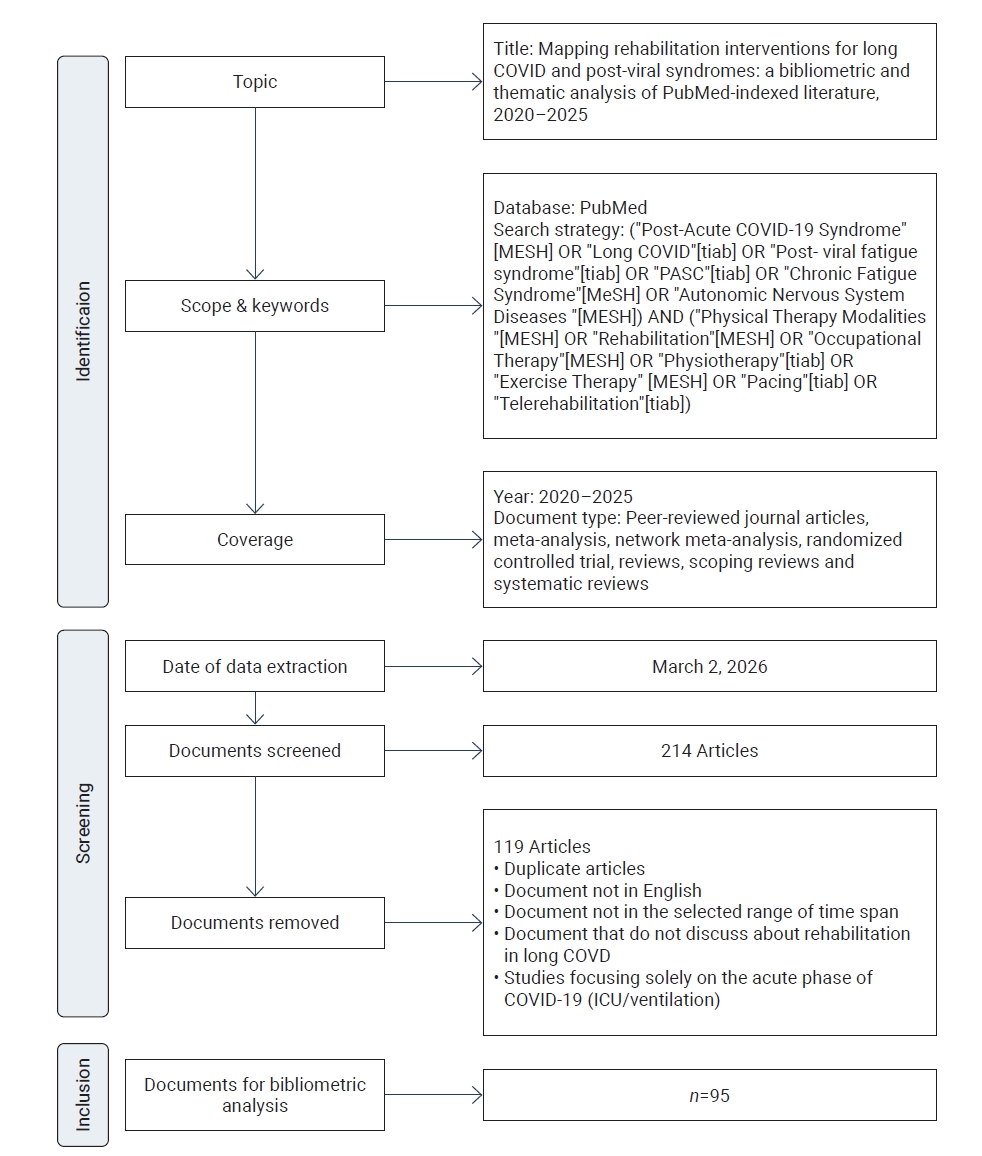
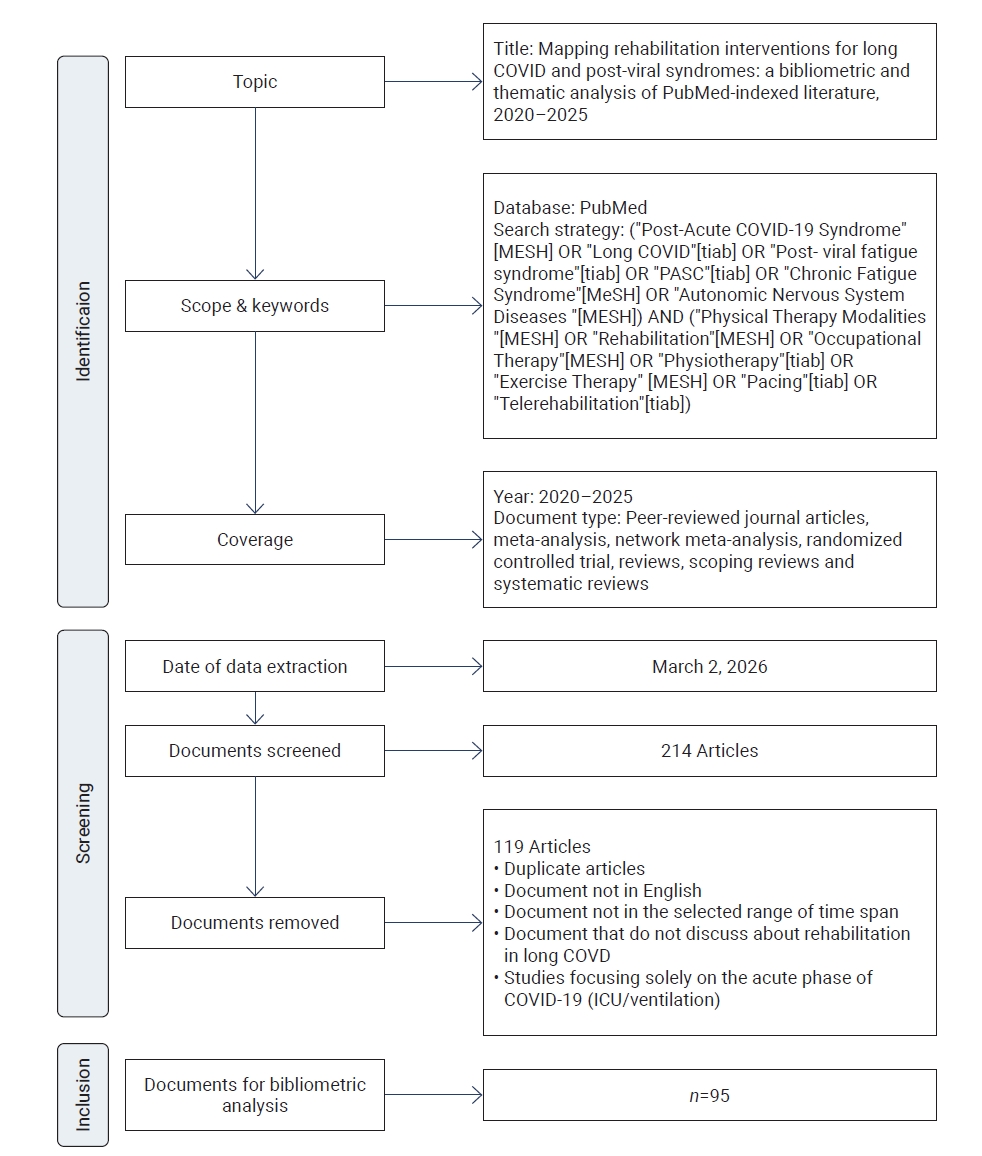
A total of 214 documents were retrieved from PubMed. After data cleaning, 95 documents were included in the analysis. The successive stages of article identification, screening, and inclusion are shown in the flowchart in
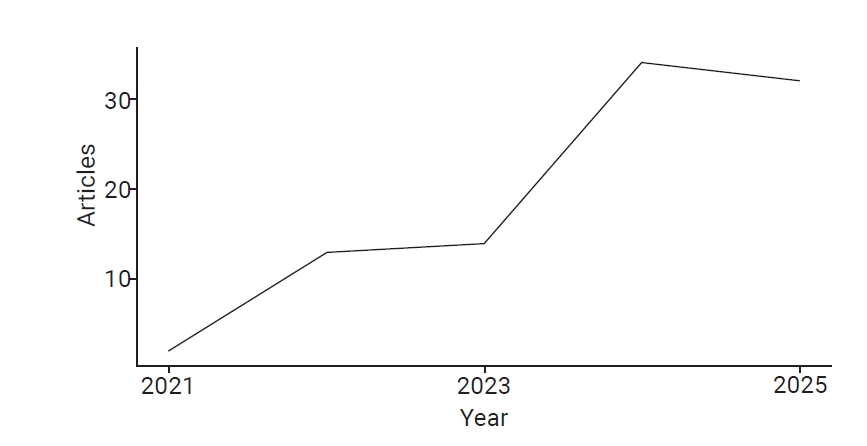
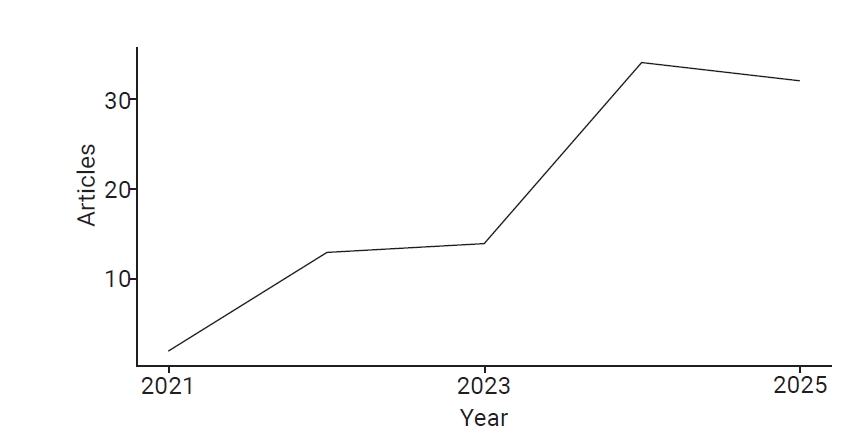
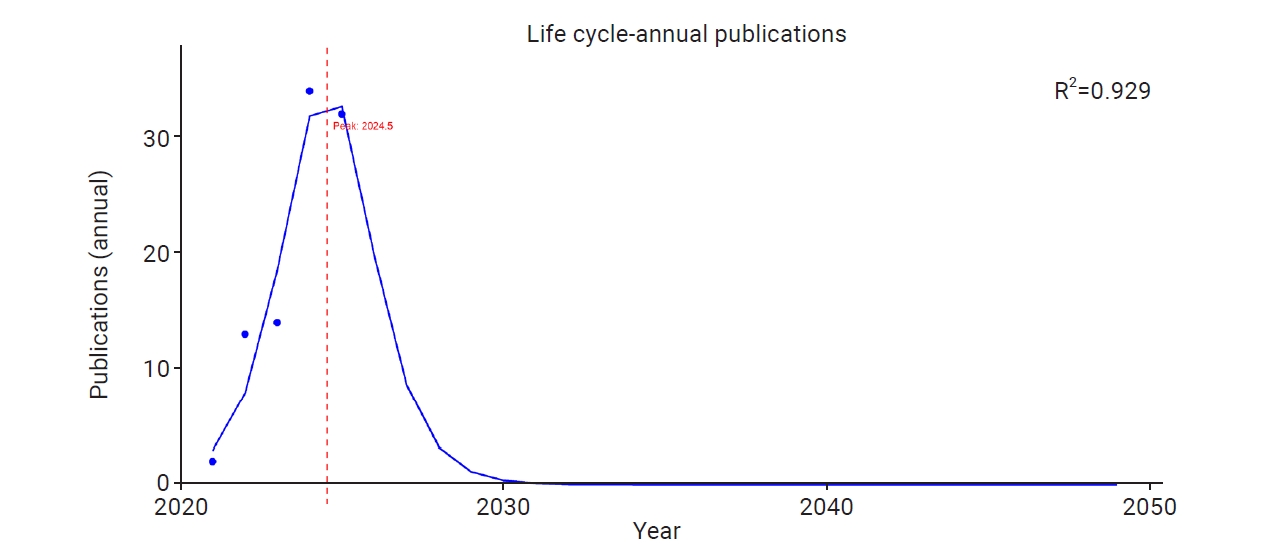
Figure 1. The time span covered by this bibliometric analysis was 2020–2025. The 95 included documents were published in English across 60 sources and were authored by 698 authors. Article production was highest in 2024, with 34 articles, followed by 2025, with 32 articles. A total of 14 articles were published in 2023, and 13 articles were published in 2022. Publication activity increased steadily after 2021. The sharp increase from 2021 to 2022 should be interpreted in light of the very low starting point; despite the slight decline in 2025, the field remained substantially larger than in 2021 and continued to evolve rapidly.
Publication Growth and Research Life Cycle
Temporal analysis of the literature on physiotherapy for long COVID and post-viral syndromes revealed a clear upward trajectory. Annual scientific production began with foundational studies in 2021 (
Figure 2), followed by a sharp increase that peaked at approximately 34 papers in 2024. This pattern suggests that 2024 was a pivotal year, during which the topic became widely established in the literature. Although publication volume declined slightly in 2025, it remained high compared with the 2021–2023 period, indicating that the field had moved beyond the emergent phase and entered a rapidly evolving phase.
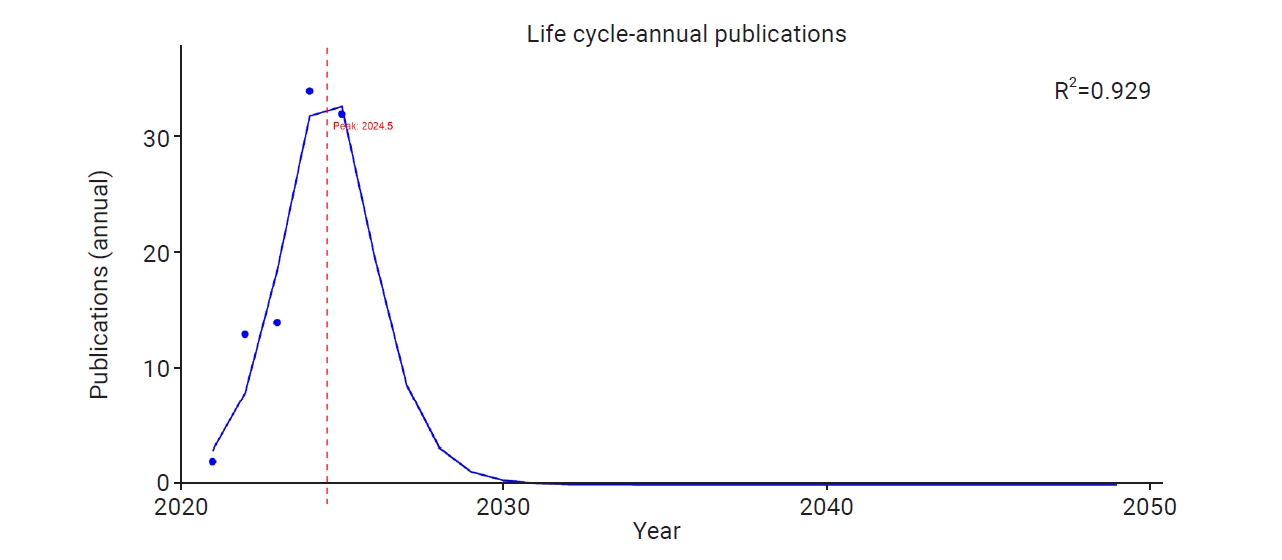
A logistic life-cycle model was used to examine the developmental trajectory of the research area (
Figure 3). Although the model showed a high goodness of fit (R
2=0.929), this value should be interpreted as describing initial growth rather than as definitive evidence of disciplinary maturity. The data indicate that the field underwent an intense growth phase that peaked in mid-2024. However, given the unprecedented and dynamic nature of post-viral syndrome research, the projected “stabilization” by 2026 may indicate a transition from rapid exploratory mapping to more focused, high-quality clinical trials rather than a decline in research interest.
Core Sources and Journal Distribution
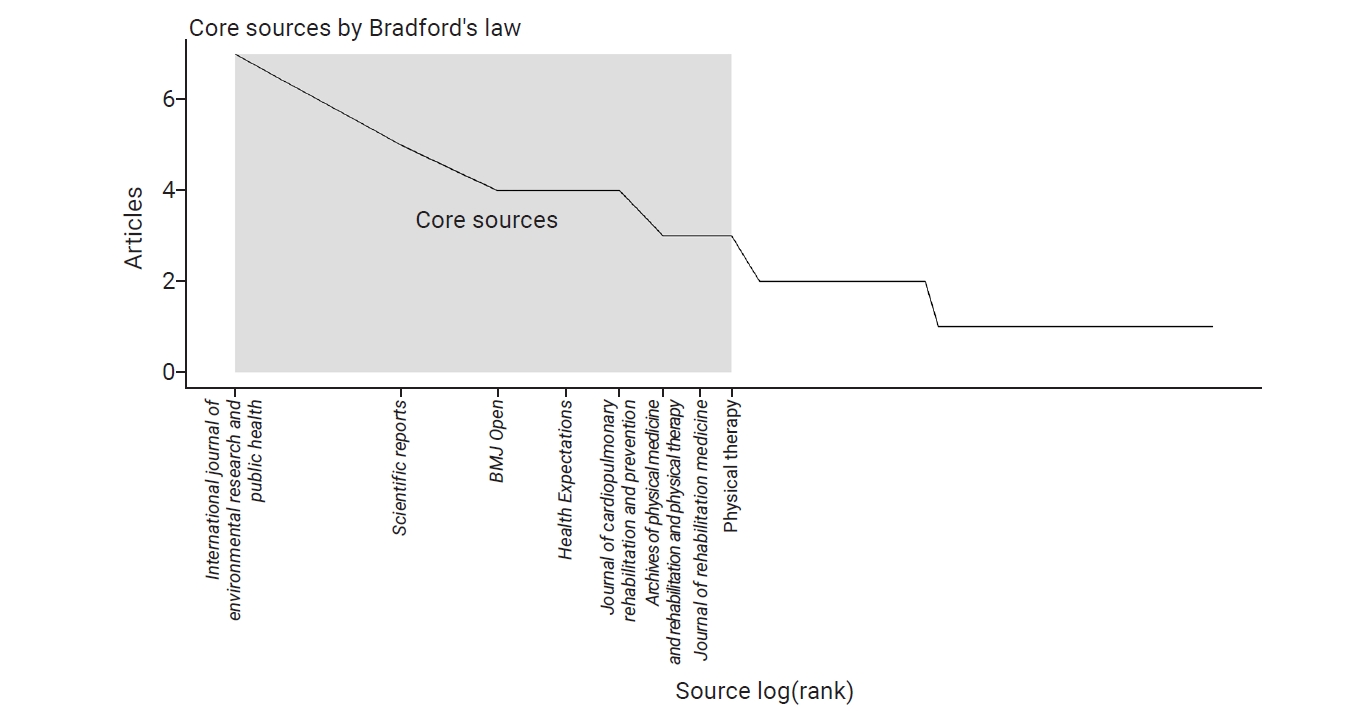
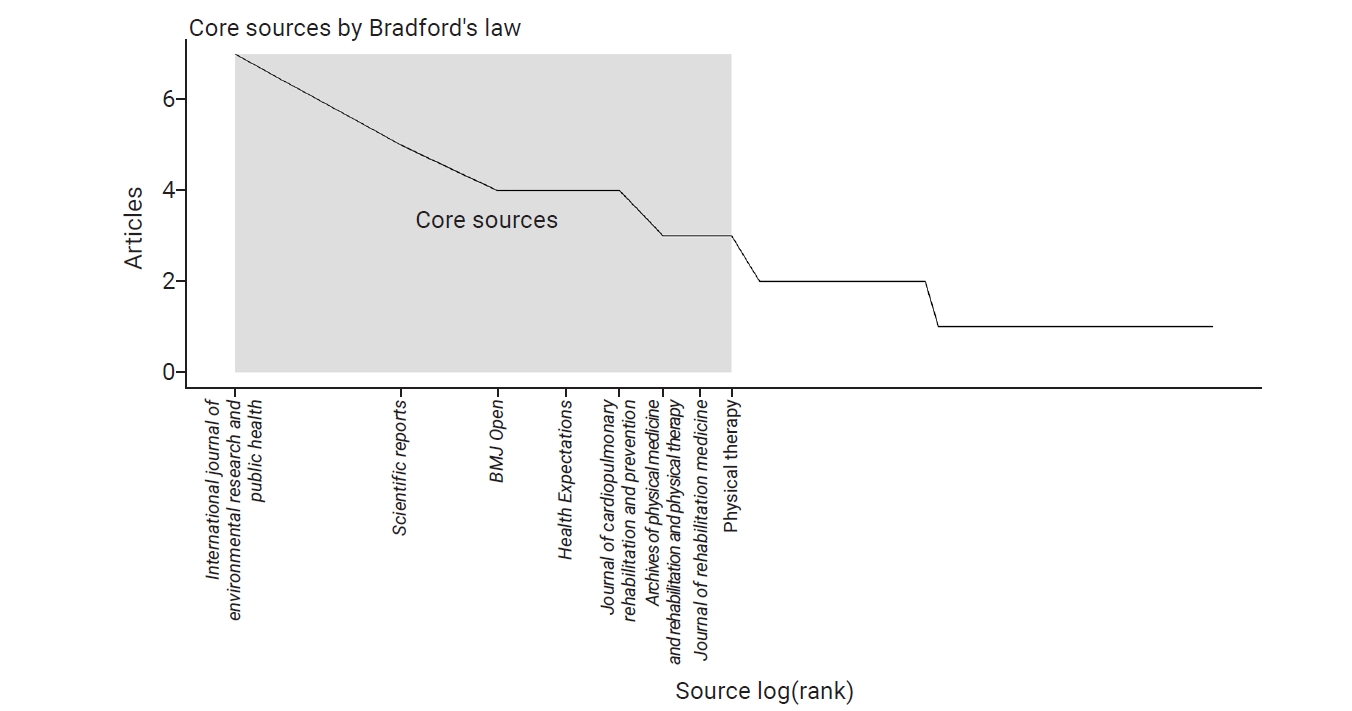
Application of Bradford’s law, the law of journal scattering, identified a highly productive “Core Zone” or Zone 1 (
Figure 4). Under Bradford’s law, journals are divided into zones, with Zone 1 representing the small group of highly productive journals that account for approximately one-third of all articles. The dataset followed a typical Bradfordian distribution, with a concentrated Zone 1 consisting of 8 key journals that produced 33.3% of the total literature. High-impact multidisciplinary journals and specialized clinical titles dominated the core of the field. The
International Journal of Environmental Research and Public Health, Scientific Reports, and
BMJ Open were important primary sources. Notably, the core zone also included specialized rehabilitation journals, such as
Archives of Physical Medicine and Rehabilitation and Physical Therapy, underscoring the role of rehabilitation research in the broader medical literature on post-viral disorders.
Institutional Leadership and Geographic Collaboration
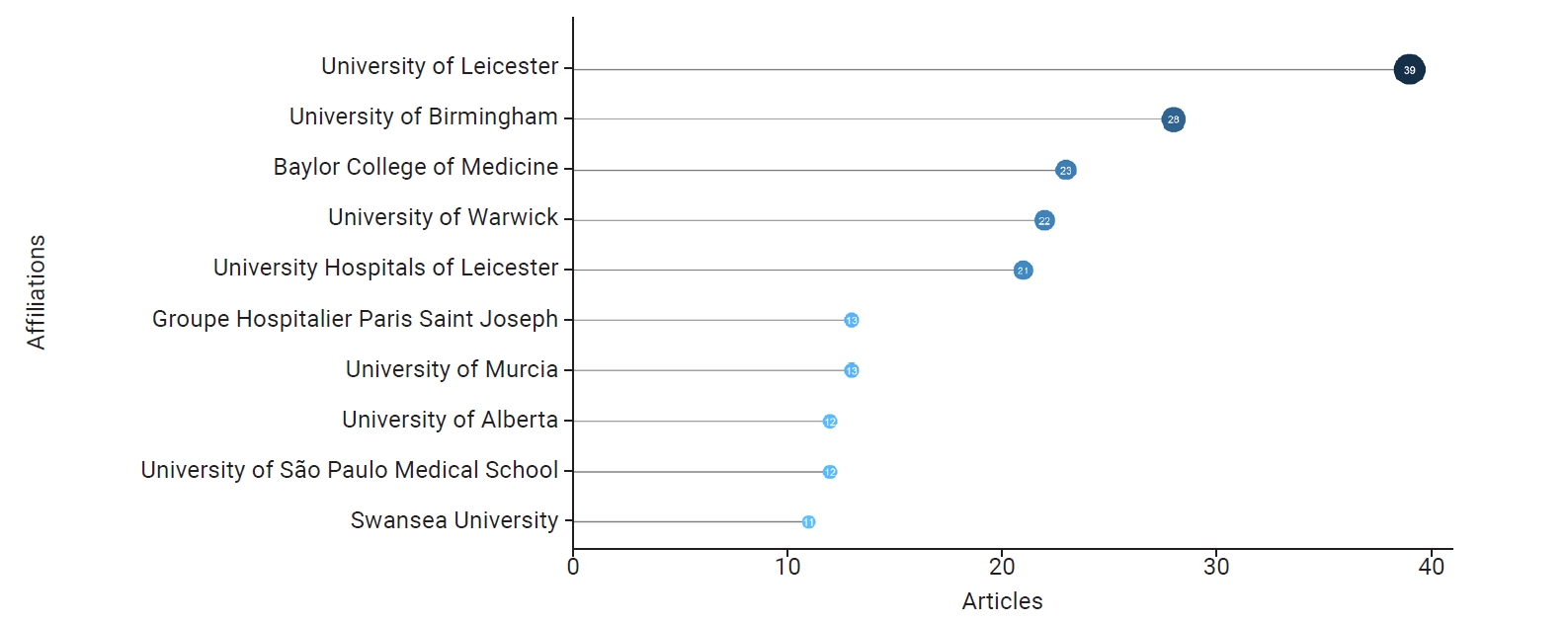
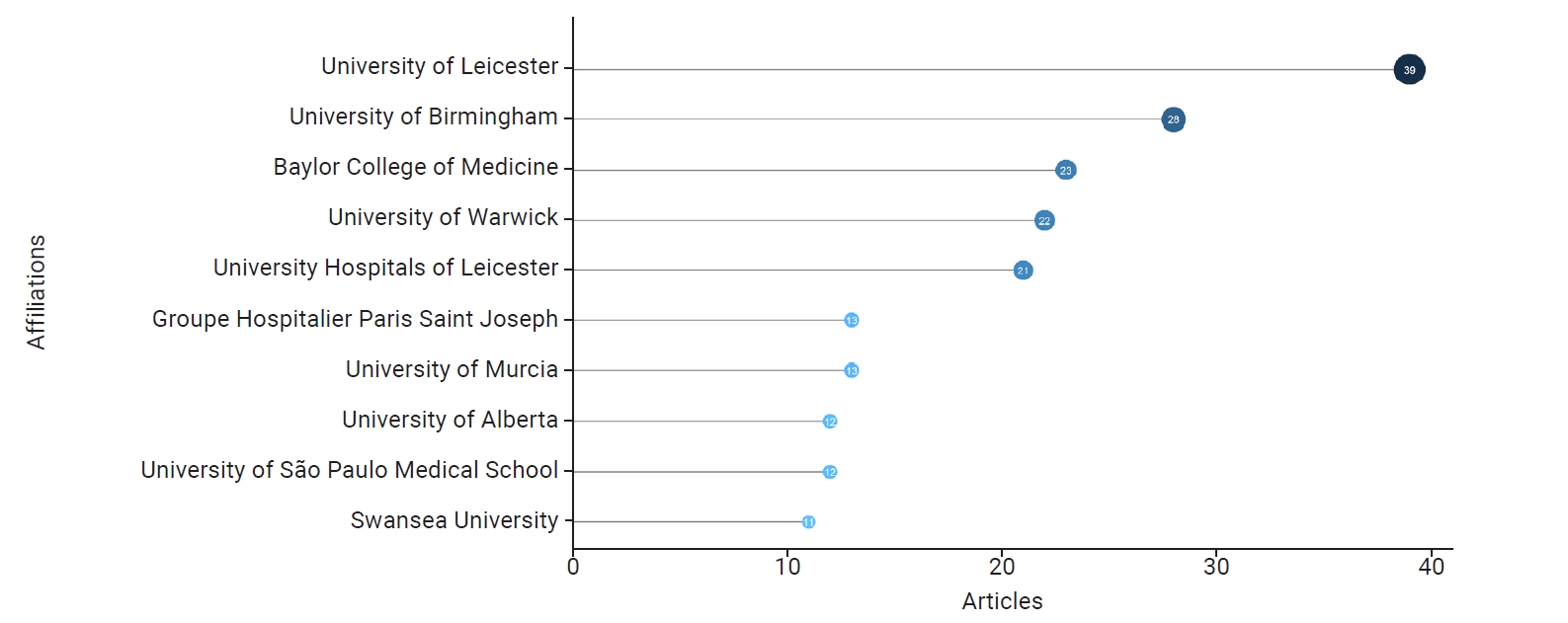
Institutional productivity was led by a focused group of United Kingdom (UK)-based organizations (
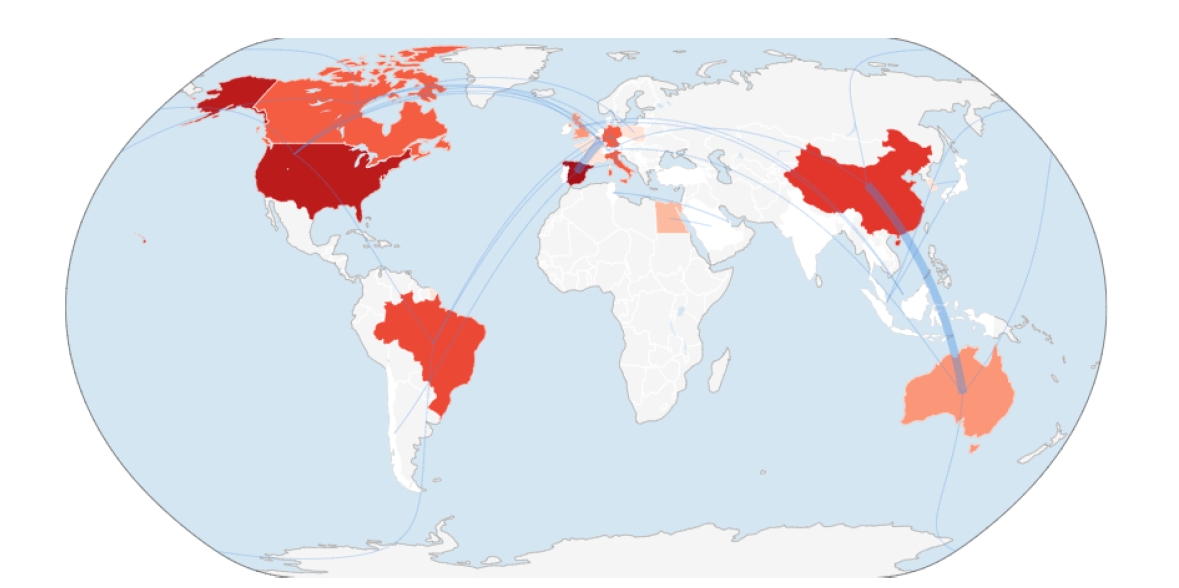
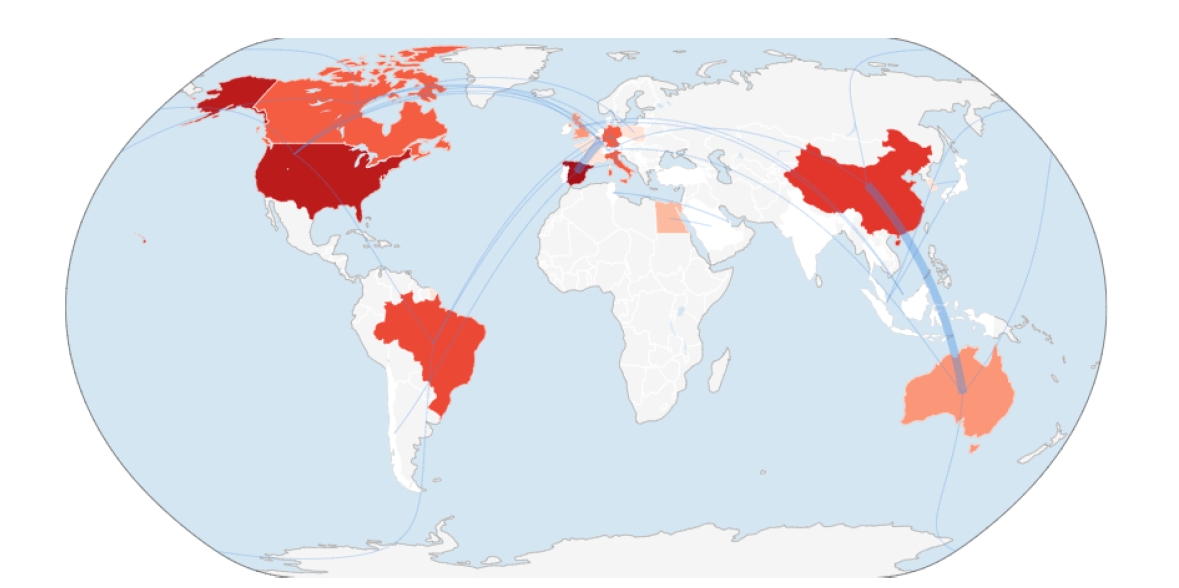
Figure 5). The most frequent contributors were the University of Leicester, with 39 papers, and the University of Birmingham, with 28 articles; University Hospitals of Leicester contributed 21 articles, suggesting strong clinical-academic linkage. Global collaboration mapping further confirmed this UK prominence and showed a broad research axis that included the United States of America (USA), China, Australia, and Spain (
Figure 6). Strong bilateral links were especially apparent between the USA and Europe and between China and Australia, suggesting an internationally connected research community despite geographic distance.
Author Productivity and Community Structure
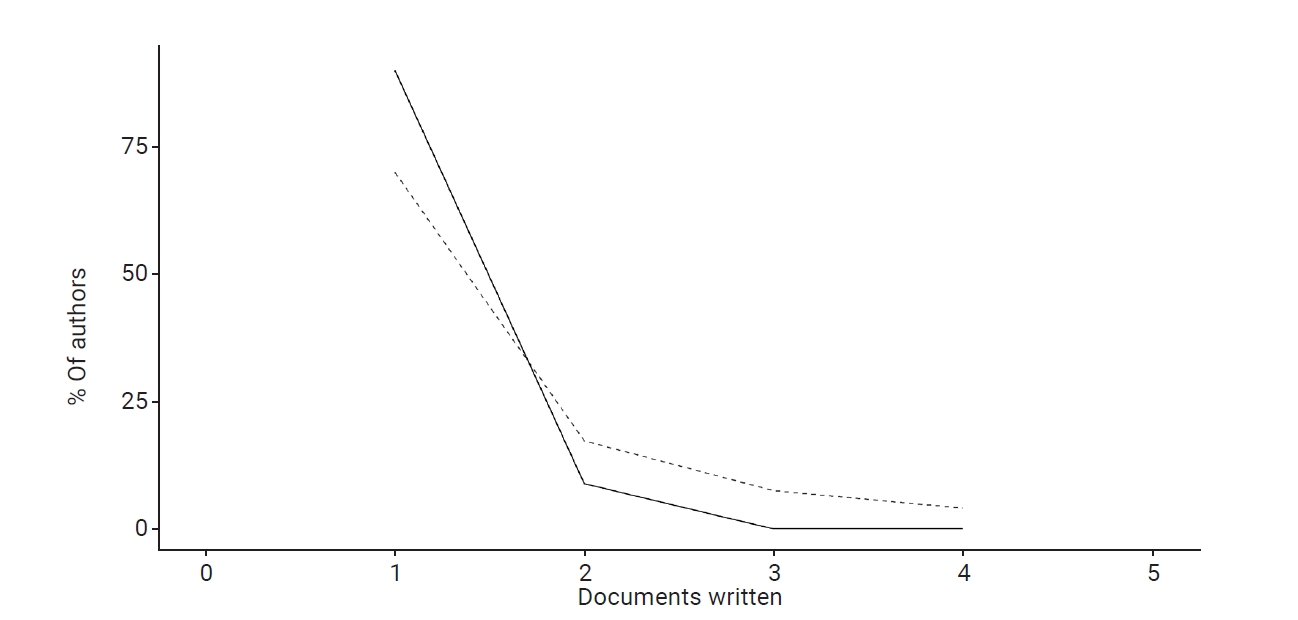
Author productivity was analyzed using Lotka’s law (
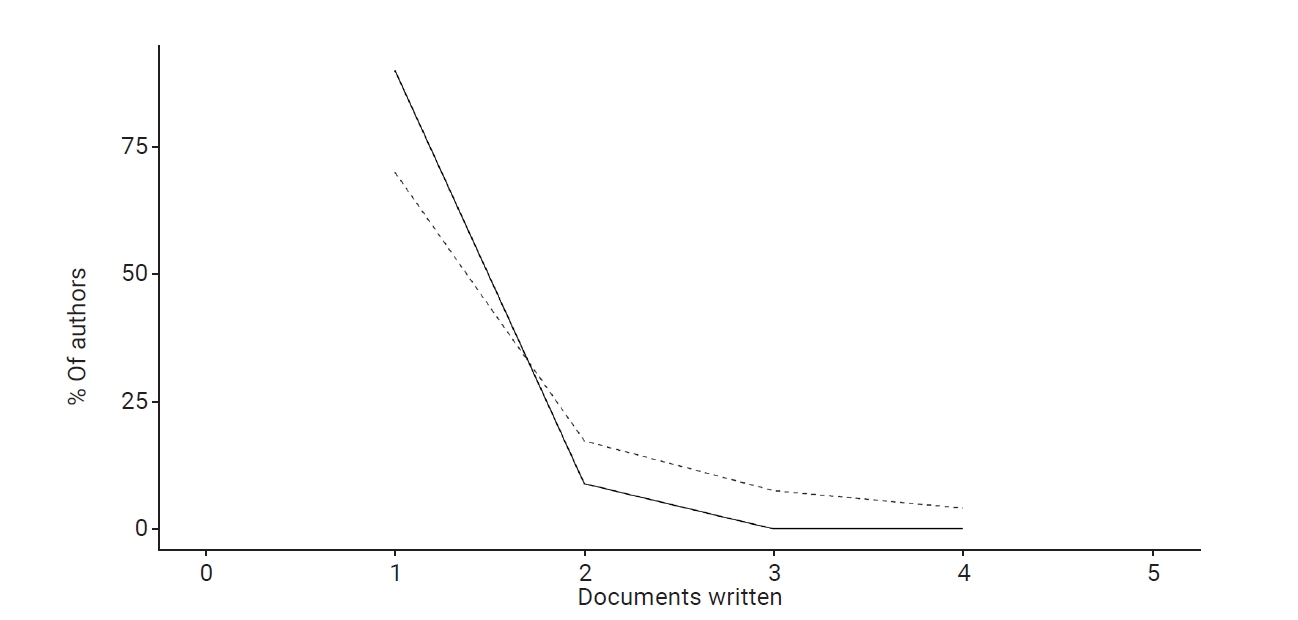
Figure 7). Under Lotka’s law, the number of authors is inversely proportional to the number of publications they produce. In the present study, the analysis showed that the field is characterized by a “long tail” of sporadic contributors. Approximately 90.3% of authors (630 authors) contributed only 1 document to the dataset, whereas 9.2% contributed 2 documents; very few authors contributed 3 or 4 documents, at 0.3% each. Compared with the theoretical distribution predicted by Lotka’s law, the observed dataset had a substantially higher proportion of single-publication authors and fewer highly productive contributors. These findings indicate that, although the field has attracted a broad range of researchers, a stable expert core of prolific authors remains in an early stage of formation. This pattern is frequently observed in emerging fields, where a small number of recurrent contributors shape much of the specialized research while a large number of1-time authors broaden the diversity of the literature.
Thematic Analysis of the Research Landscape
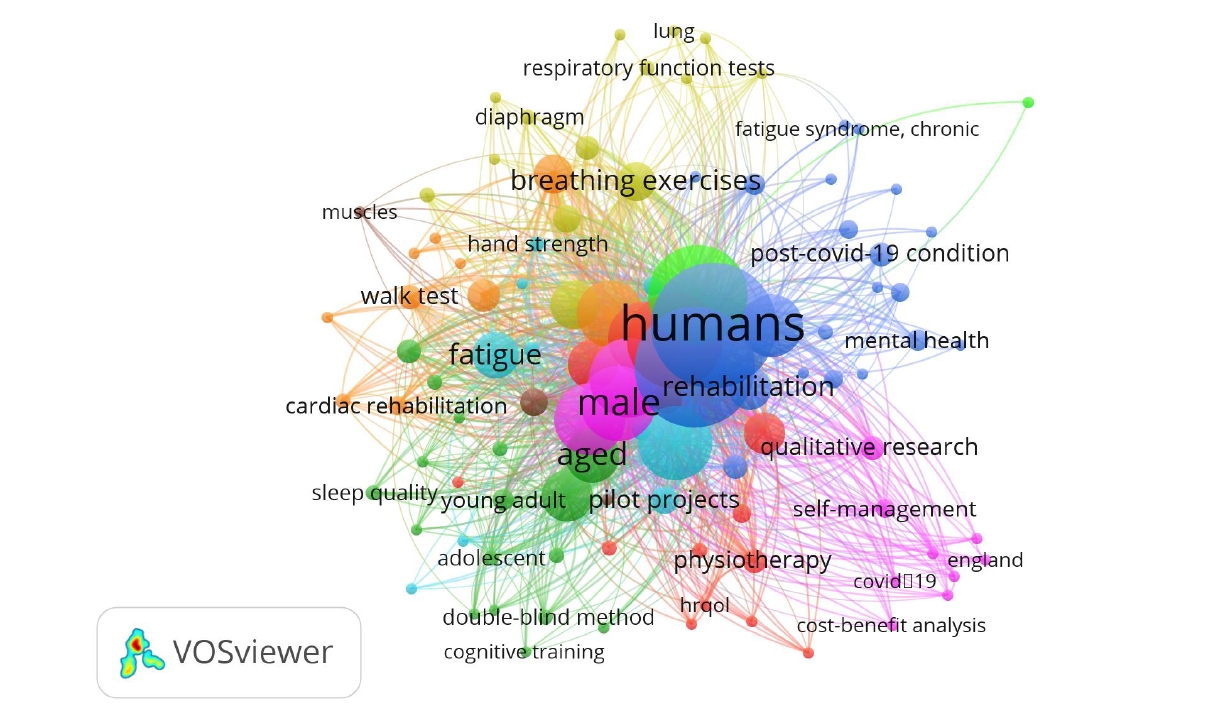
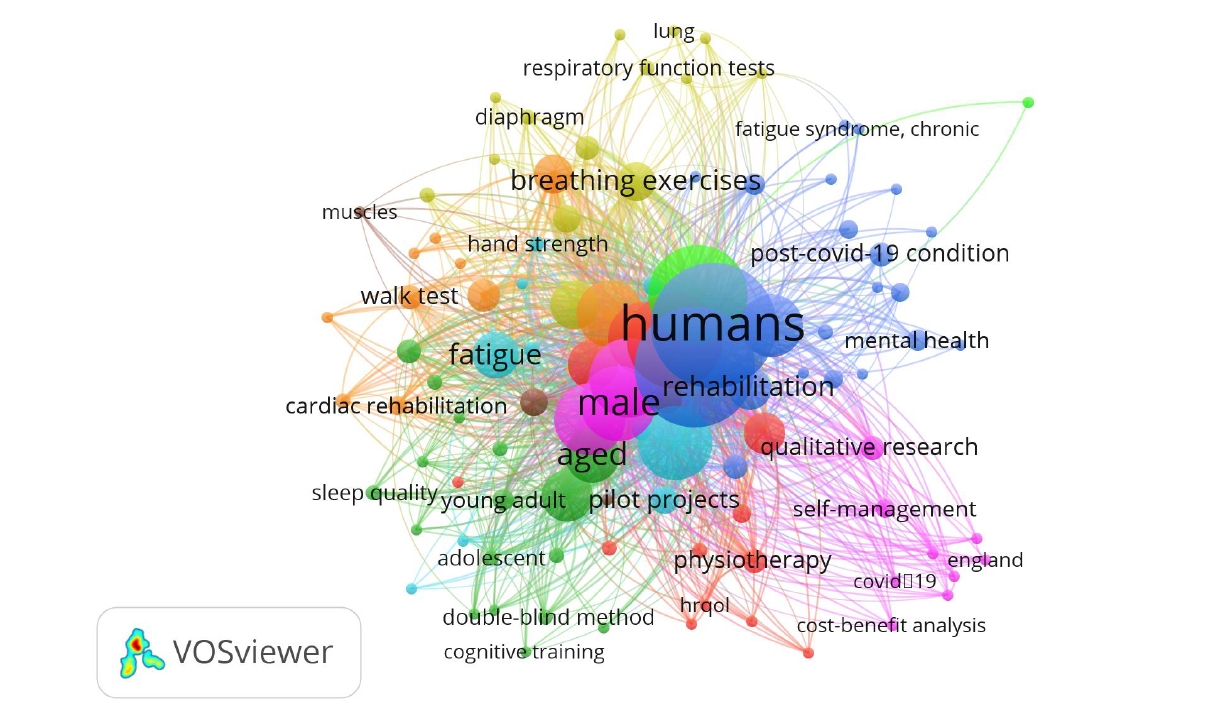
The minimum number of occurrences required for an author keyword to be included in the VOSviewer analysis was set at 2. Of the 333 keywords, 104 met this criterion. VOSviewer analysis identified 9 distinct clusters, each representing relationships among related topics. The software generated bibliometric maps in 3 visualization modes. The network visualization is shown in
Figure 8. Keywords are depicted as circles of varying colors, with circle size corresponding to keyword frequency in titles and abstracts.
The intellectual structure of the field, visualized through keyword co-occurrence (
Figure 8) and trend mapping (
Table 1), highlights a shift from isolated respiratory interventions toward an integrated biopsychosocial framework.
Cluster 1: The neuropsychological and systemic core
The “Post-COVID-19 and Mental Health” cluster emphasizes the recognition of long COVID as a complex multisystem disorder. By linking “Chronic Fatigue Syndrome” with “Mental Health,” the literature reflects growing attention to the neuropsychological burden of the disease. This pattern suggests that contemporary physiotherapy interventions increasingly incorporate cognitive-behavioral perspectives and fatigue management strategies rather than focusing solely on physical impairments.
Cluster 2: Clinical interventions
The “Clinical Interventions” cluster underscores a foundational area of physiotherapy practice. The focus on “Breathing exercises” and “Diaphragm” strength indicates that respiratory restoration remains a primary clinical goal. The connection to “Respiratory function tests” also suggests a shift toward objective outcome mapping, in which rehabilitation protocols are tailored according to measurable physiological performance.
Cluster 3: Methodology and social value
The “Demographics and Methodology” cluster suggests a patient-centered shift, as reflected by the presence of “Qualitative research” and “Self-management.” These terms indicate that survivors’ lived experiences are increasingly being used to inform rehabilitation design. The inclusion of “Cost-benefit analysis” and “Pilot projects” further suggests an effort to establish the economic and system-level feasibility of specialized physiotherapy services within broader health care frameworks.
The largest nodes—“humans,” “rehabilitation,” “male,” and “aged”—formed the backbone of the research network. This pattern indicates that the literature focused heavily on clinical human studies, particularly among adult and older adult populations. The term “fatigue” occupied a central position, linking physical symptom domains, such as muscles and breathing, with the post-COVID and mental health clusters.
Themes changed noticeably over time (
Table 1). The main research foci in 2021–2022 were “Activities of daily living” and “Muscle strength” [
27,
28]. By 2024–2025, attention had shifted toward specialized complications and “Aged” populations [
29]. In 2025, “Qualitative research” and “Long-term complications” became major areas of study, indicating increasing attention to patient-centered outcomes and socioeconomic scalability [
30].
Temporal Trends and Thematic Evolution
The temporal distribution of high-frequency terms revealed a substantial shift in research focus from 2022 to 2025 (
Table 1). Analysis of median publication years and interquartile ranges identified 3 distinct phases of knowledge development.
Early research from 2022 to 2023 was characterized by terms with median years of 2022 and 2023, including “Activities of Daily Living,” “Muscle Strength/Physiology,” and general “COVID-19 Complications.” This phase focused on the immediate physical effects of infection. The emphasis on objective physiological deficits, such as strength, and on patients’ initial difficulty returning to basic functional tasks reflected the profession’s traditional response to acute respiratory and musculoskeletal impairment.
In the second phase, from 2023 to 2024, terms such as “Post-Acute COVID-19 Syndrome” (frequency: 54) and “SARS-CoV-2” had a median year of 2024. This phase marked the period in which long COVID became a standardized research priority. The shift from general “COVID-19” terminology, with a median year of 2023, to more specific “post-acute” terminology indicates maturation of the diagnostic framework. Research therefore moved from describing the condition toward defining and classifying its long-term manifestations.
In the third phase, from 2024 to 2025, the most recent research trends, with a median year of 2025, were dominated by “Aged,” “Qualitative Research,” and “COVID-19/Rehabilitation Complications.” As the field matured, it moved toward greater specialization. The “Aged” node suggests increasing attention to geriatric rehabilitation and the long-term effects of long COVID on vulnerable populations. The rise of “Qualitative Research” signals a shift from purely quantitative physiological metrics, such as muscle strength, toward the patient experience, lived disability, and subjective barriers to recovery.
Author Collaboration and Temporal Evolution
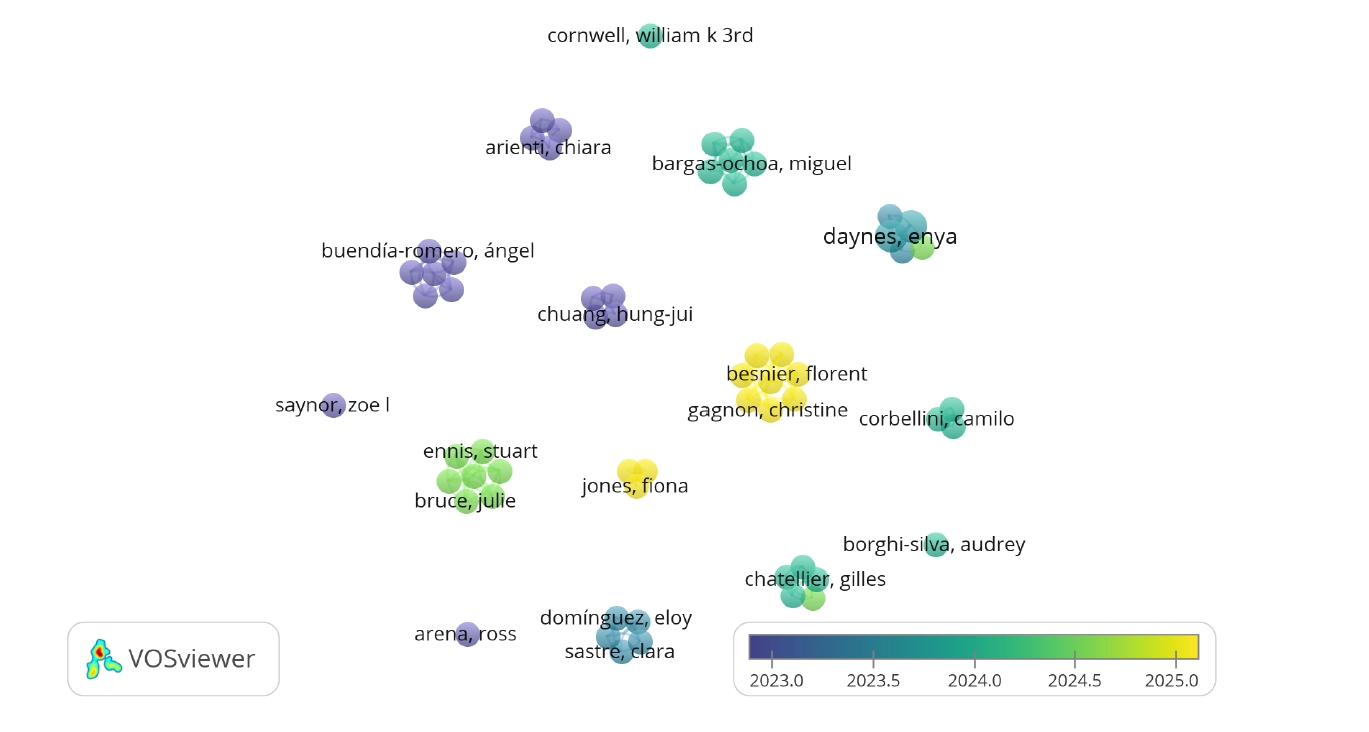
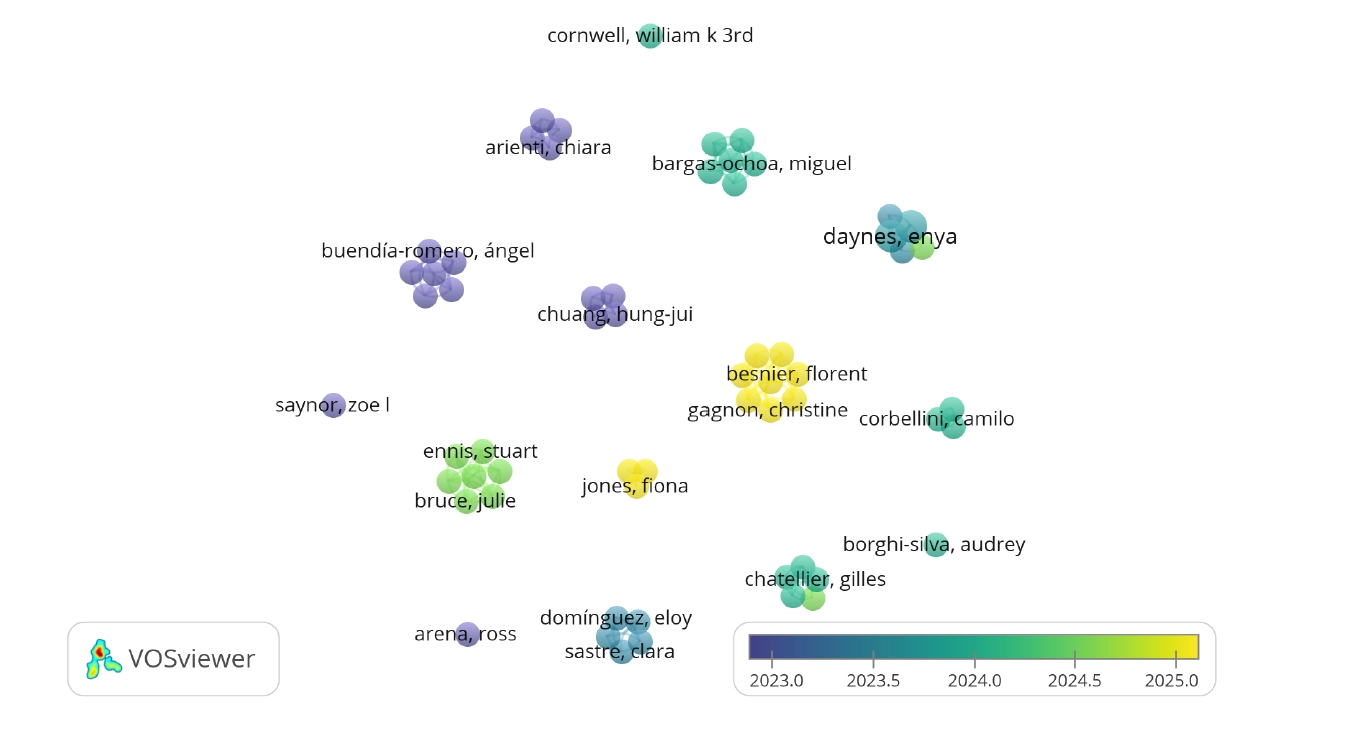
The VOSviewer overlay visualization tracks the core research clusters and their temporal dynamics from 2023 to 2025 (
Figure 9). (1) Foundational phase (2023; blue/purple): Research was initially dominated by clusters led by Arienti et al. [
31], Jimeno-Almazan et al. [
32], and Chuang et al. [
33], emphasizing foundational work on post-viral syndromes [
31,
32]. (2) Transition phase (2023.5–2024.0; green): Seers et al. [
30], Daynes et al. [
34] and Daynes et al. [
35] represent a bridge period during which research shifted toward multidisciplinary models and increased recognition of PEM. (3) Contemporary phase (2024.5–2025.0; yellow): A shift toward the yellow spectrum indicates that recent research was led by Besnier et al. [
36] and Gagnon et al. [
37]. These clusters reflect recent clinical trials and intervention studies. Besnier et al. [
36] and Gagnon et al. [
37] appear to represent a closely connected research team, likely contributing multiple joint publications. Their prominence in 2025 suggests that the field has moved toward specialized domains, including virtual rehabilitation, long-term self-management, and high-fidelity clinical trials. (4) Network structure: Fragmentation of the clusters into disconnected author groups supports the findings from Lotka’s law. Although some research groups are highly active, the field has not yet developed a cohesive global author network with broad cross-institutional collaboration. The presence of multiple clusters reflects a decentralized collaborative structure in which research teams function within relatively autonomous networks. Sparse intercluster connectivity further indicates limited cross-group collaboration, underscoring the need for greater interdisciplinary integration in future studies. (5) The relative fragmentation between the 2023 blue clusters and the 2025 yellow clusters suggests that the field is undergoing rapid thematic shifts rather than slow, linear progression. This pattern supports the value of the present bibliometric review, which synthesizes historically distinct phases of research.
Interconnection of Sources, Authors, and Themes: Three-Field Plot
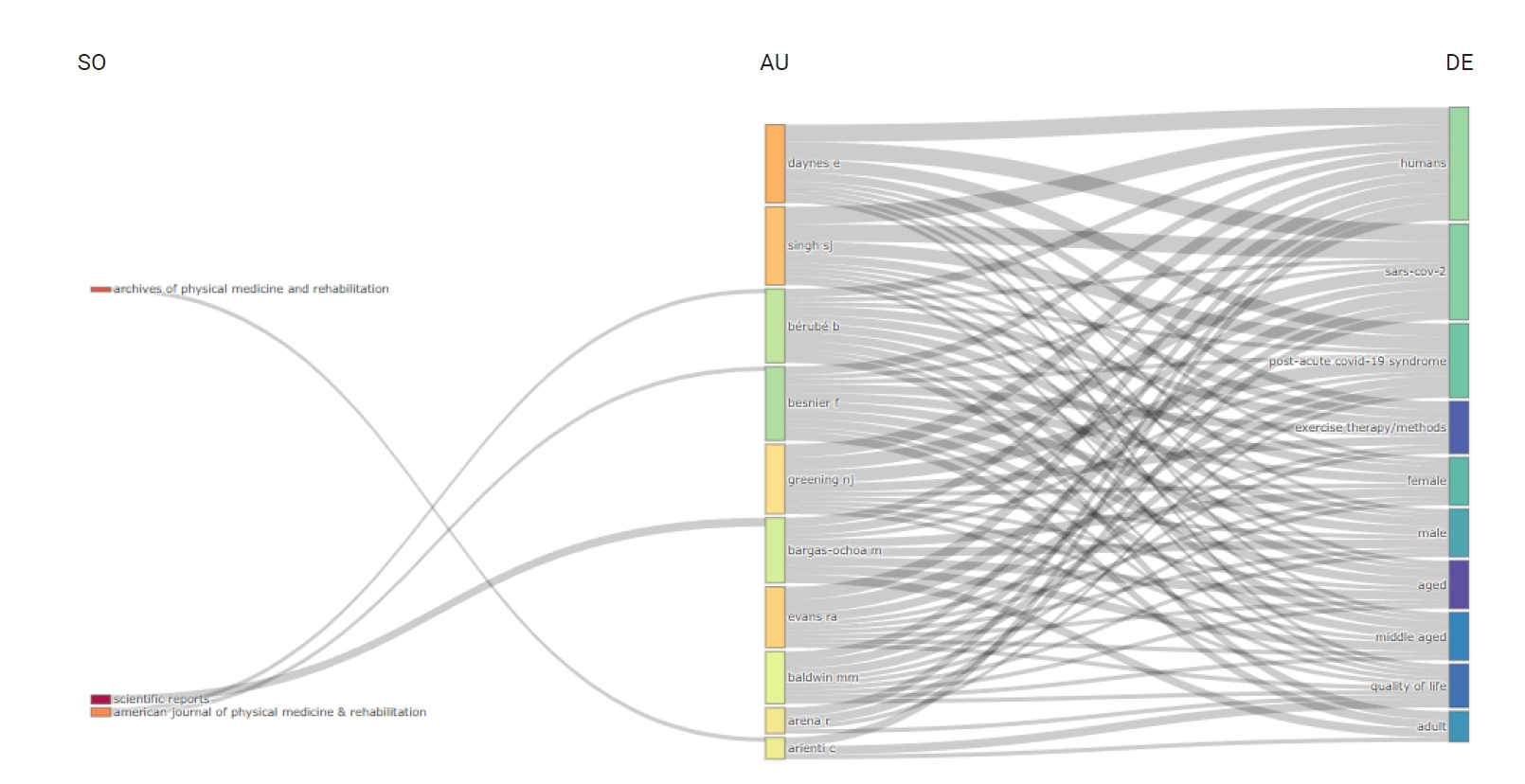
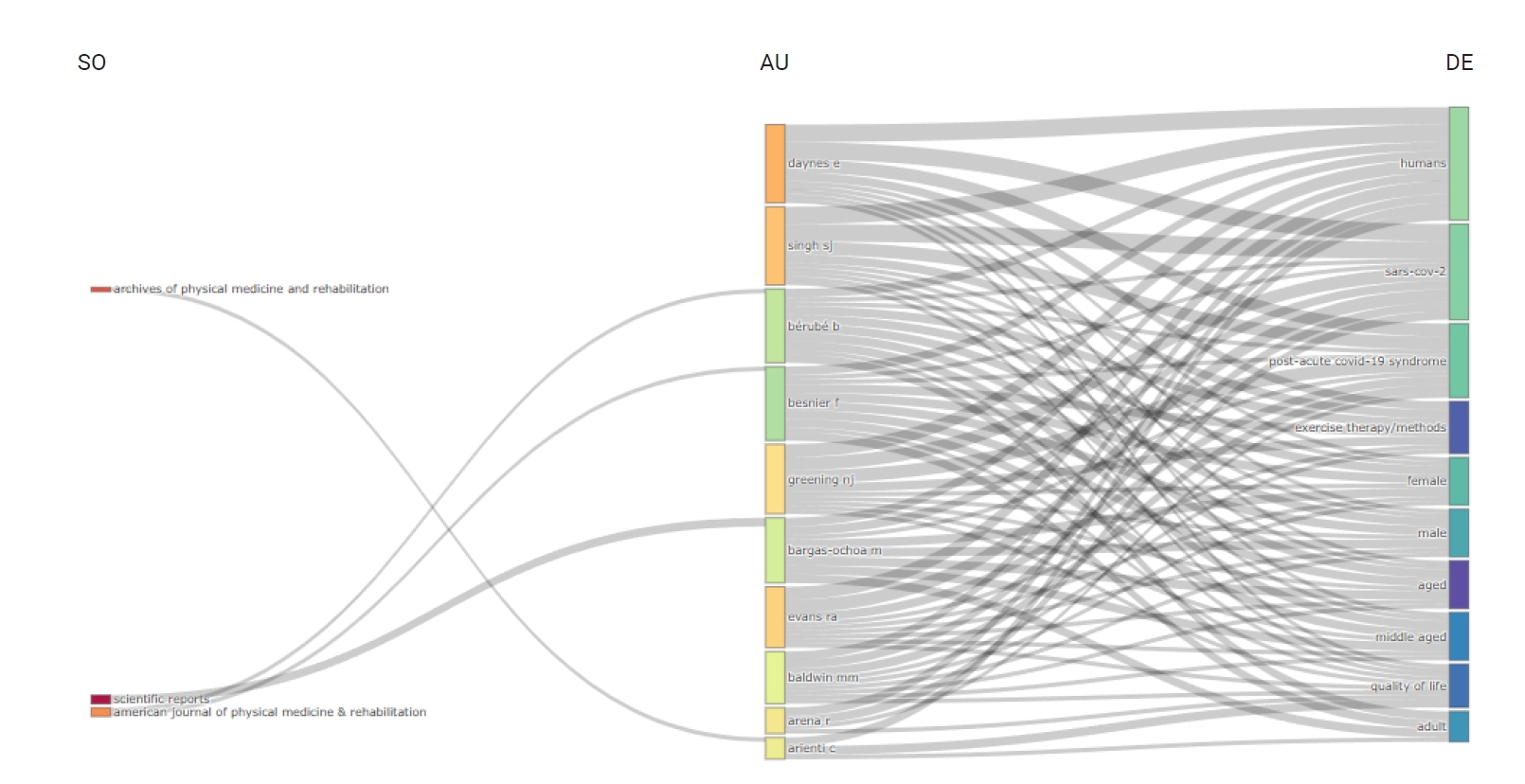
The3-field plot depicts the flow of knowledge from journals, or sources, to authors and then to specific keywords (
Figure 10). (1) Journal influence: Scientific Reports and Archives of Physical Medicine and Rehabilitation functioned as core channels for research dissemination. Scientific Reports was broadly connected to nearly all prominent authors in the dataset. (2) Thematic integration: Daynes et al. [
34,
35] demonstrated strong links with the keywords “post-acute COVID-19 syndrome” and “exercise therapy/methods” [
23,
24]. (3) Demographic focus: The mapping showed strong emphasis on “aged,” “middle-aged,” and “quality of life,” indicating that geriatric rehabilitation and functional outcomes, rather than acute recovery alone, are central to the current literature [
29,
30,
34].
Research Productivity Index Using the International Monetary Fund World Economic Outlook Data
The research productivity index (RPI) analysis used 2024 nominal gross domestic product (GDP) estimates from the International Monetary Fund (IMF) World Economic Outlook, April 2026, which were the most recent historical baseline estimates available in that report (
Table 2). The analysis evaluated how effectively each nation translated economic capacity into specialized long COVID physiotherapy research among the 10 countries with the highest number of research publications [
38]. As a marker of national economic capacity, GDP is a relevant variable in bibliometric research. Higher GDP often corresponds to greater financial resources, research infrastructure, and opportunities for international collaboration. Incorporating GDP therefore allows standardized cross-country comparison of the relationship between macroeconomic capacity and scientific output.
The RPI was calculated as follows: RPI=total publications/nominal GDP in USD billions. Use of the IMF economic data enabled a structured evaluation of knowledge production, as shown in
Table 2. (1) Institutional concentration versus economic scale: Spain was the most efficient contributor, with an RPI substantially higher than those of larger economies such as the USA and China. This finding suggests that long COVID physiotherapy research may be more specialized or more strongly prioritized within Spain’s clinical research environment. (2) The “large economy” paradox: Despite having the highest nominal GDPs, the USA and China had the lowest RPI scores among the listed countries. This finding suggests that, in large and highly diversified research economies, specialized physiotherapy research represents a smaller share of total scientific capacity than in mid-sized European countries with a more concentrated focus. (3) Emerging market productivity: Brazil and Egypt showed high relative productivity compared with their GDP, suggesting that emerging markets may contribute substantially to specialized global research despite more limited economic resources. (4) Historical development context: When considered alongside 2024 GDP data, these trends suggest that the shift toward pacing and autonomic research occurred during the post-pandemic period in which advanced economies were rebuilding fiscal buffers.
This correlation between economic capacity and scientific production provides a multidimensional explanation that extends the present study beyond simple publication trajectories.
Discussion
The bibliometric landscape of physiotherapy interventions for long COVID and post-viral syndromes shows a field that has rapidly developed from an urgent therapeutic response into a more formalized research domain. The following sections discuss the implications of these patterns for clinical practice, academic teaching, and international health care policy.
The Shift from Pulmonary to Holistic Rehabilitation
A primary finding of the thematic analysis was the progression of scholarly focus over time (
Table 1). Early research, which was largely concentrated in cluster 2 (Respiratory Function), prioritized breathing exercises and muscle physiology to address acute COVID-19-related problems [
4]. The data subsequently showed a shift toward cluster 1, in which “mental health” and “fatigue” served as key bridge nodes. This transition suggests that physiotherapy for long COVID is now being conceptualized not only as a pulmonary intervention, but also as part of a broader approach to autonomic and cognitive dysfunction [
6]. For clinical educators, this finding suggests that physiotherapy curricula should extend beyond traditional chest physiotherapy to include autonomic rehabilitation and neurorehabilitative approaches to fatigue.
Institutional Leadership
The prominence of the University of Leicester and University Hospitals of Leicester is particularly notable (
Figure 5). This leadership may be linked to their early implementation of post-COVID clinics and extensive recovery trials, including the posthospitalization COVID-19 (PHOSP-COVID) study [
25,
39]. The strong association between academic output and hospital affiliation highlights a clinical-academic linkage that may support the development of evidence-based protocols. Other regions, particularly in South Asia, could adapt this strategy to improve the scalability of local rehabilitation programs by integrating hospital-based data with academic research.
Fragmentation of the Research Community
Application of Lotka’s law provided an important insight: approximately 90% of authors were sporadic contributors (
Figure 7). Despite the increase in publication volume in 2024 (
Figure 2), the field did not yet have a strong expert core. This fragmentation suggests that many researchers redirected their efforts toward long COVID during the pandemic, whereas only a smaller subset continued to develop sustained expertise in this area. This pattern represents both a limitation and an opportunity. The limitation is the lack of continuity across research lines; the opportunity is that established physiotherapy departments may be able to take leadership roles in translating preliminary findings into robust long-term clinical guidelines. Although some clusters, such as the Leicester group, were dense, global integration remained limited.
The Emerging Frontier
Because the life-cycle model suggests that exploratory investigations may be approaching saturation (
Figure 3), the emergence of “Qualitative Research” and “Cost-benefit Analysis” illustrates a new research frontier (
Table 1) [
30,
40]. The focus of research is shifting from whether interventions work to how patients experience them and whether they are affordable for health care systems.
Future research should prioritize cost-benefit evaluations to determine whether physiotherapy interventions are accessible and scalable across socioeconomically diverse patient populations, particularly in emerging health care systems.
The Maturation of Clinical Leadership
The transition from the 2023 purple clusters to the 2025 yellow thematic nodes illustrates a shift in research focus from initial observational descriptions of post-viral sequelae toward structured intervention-based protocols (
Figure 9) [
31–
34,
36,
37]. The prominence of Daynes E. [
34,
35] in both the temporal map and the 3-field plot indicates a substantial body of work originating from this research hub. This bibliographic concentration aligns with the early implementation of integrated rehabilitation frameworks, including the multidisciplinary approach associated with the Leicester COVID-19 recovery program [
34,
35]. However, although publication volume indicates high activity and early influence, broader adoption of these models depends on further cross-institutional validation and integration into international clinical guidelines. Bibliographic prominence should therefore be distinguished from clinical dominance. Although the University of Leicester appears as a core node in the productivity analysis, this reflects early and sustained output on structured posthospitalization rehabilitation. The “Leicester Model” is referenced here as a specific published framework for holistic recovery, and its visibility in the bibliometric mapping indicates its role in the early dissemination of post-viral physiotherapy standards.
Knowledge Flow and Specialization
The 3-field plot provides a broad view of the field’s central focus (
Figure 10). The strong connections between authors and the “exercise therapy/methods” node indicate that the physiotherapy literature has moved beyond diagnostic description and is increasingly focused on specific treatment modalities. In addition, the persistent focus on “quality of life” among prominent authors suggests that functional independence has become a central outcome in post-viral rehabilitation.
Although this review focuses on physiotherapy for long COVID, the evolution of therapeutic modalities can be interpreted in the context of structured evidence mapping used in other clinical fields. The thematic and structural evolution observed in this corpus is consistent with contemporary approaches to disciplined evidence synthesis. In particular, the integration of technology-driven rehabilitation models in the dataset mirrors recent structured frameworks for device-based therapeutic interventions and clinically oriented outcome mapping [
41]. As the long COVID physiotherapy literature moves from exploratory observations toward randomized trials, a framework that balances evidence of efficacy with safety profiling becomes increasingly important, following a trajectory similar to recent intervention-specific evidence syntheses [
42]. This hierarchy of therapeutic evidence is needed to avoid extending bibliometric trends into unsupported clinical assumptions; comparative clinical evidence should distinguish explicitly between preliminary observations and high-quality trials [
43]. Finally, because post-acute sequelae often involve multisystem disruption, cross-condition thematic linkages identified in keyword co-occurrence maps should be interpreted cautiously, using established comparative evidence structures to synthesize complex clinical intersections without overstating the predictive reach of bibliographic data [
44].
Strengths
This study represents one of the first multidimensional bibliometric visualizations specifically depicting the development of physiotherapy interventions for long COVID and post-viral disorders over the 5-year period from 2020 to 2025. Literature was retrieved from PubMed, a leading biomedical database curated by the National Library of Medicine. With a repository exceeding 40 million records in 2026, PubMed offers broad coverage of health care and rehabilitation literature [
24]. The use of MeSH-indexed terms was central to this bibliometric analysis because it provided the thematic accuracy needed to track the intellectual development of physiotherapy interventions for post-viral syndromes [
23,
25]. By combining 3 bibliometric frameworks—Bradford’s law, Lotka’s law, and Price’s life-cycle model—this study moved beyond basic descriptive statistics to produce a statistically fitted growth model (R
2=0.929). Geographic mapping and network visualization with VOSviewer also enabled a detailed assessment of institutional leadership and international collaboration pathways, which may inform future multicenter trial planning. This analysis identified a growing bridge between physiotherapy and neurology. By showing that physiotherapy in long COVID is no longer limited to respiratory or musculoskeletal rehabilitation but increasingly includes neuromodulatory considerations, the study adds a potentially useful perspective on the evolving scope of post-viral rehabilitation.
Limitations
Despite these strengths, several limitations should be acknowledged. Although PubMed is a standard database for medical and biological sciences, it does not include all scientific contributions available in Scopus or Web of Science. The analysis was also limited to literature written in English. Although English is the primary language of international scientific communication, important regional physiotherapy protocols published in other languages, particularly in Latin America or Asia, may have been overlooked. This study was further limited by its exclusive use of the PubMed database. Although PubMed provides strong thematic precision through MeSH indexing, this single-database approach may have excluded relevant studies indexed in Scopus or Web of Science, potentially affecting the global generalizability of the bibliometric trajectories.
The life-cycle model also has several limitations. First, the 2020–2025 timeframe provides a relatively short timeseries for robust extrapolation.
Second, logistic models assume a fixed carrying capacity, which may be inaccurate for long COVID research because new variants or long-term longitudinal data could trigger secondary waves of publication activity. Therefore, the projected stabilization in 2026 should be viewed as a preliminary indication that the initial surge of descriptive studies is evolving, likely giving way to more specialized multidisciplinary clinical standards.