Objectives This study investigated a large-scale foodborne outbreak caused by Staphylococcus aureus during a local festival in the Republic of Korea and performed genomic and molecular epidemiological analyses using whole-genome sequencing (WGS).
Methods Microbiological identification was performed using clinical, food, and environmental samples. Molecular characterization included pulsed-field gel electrophoresis (PFGE), multilocus sequence typing, and spa typing. WGS was conducted to evaluate clonal relatedness, virulence factors, and antimicrobial resistance genes.
Results A total of 141 suspected cases and 18 laboratory-confirmed cases were identified, and 24 S. aureus isolates were recovered (18 from patients, 3 from food samples, and 3 from environmental samples). All 17 isolates included in the genomic analysis carried the sea and sec genes and belonged to ST1-t321, with pairwise differences of 8–33 SNPs, supporting a clonal origin. These isolates exhibited a previously unreported PFGE pattern (STAS16.170) in the Republic of Korea. Virulence profiling identified hemolysin genes (hlgA, hlgB, hlgC), leukocidin genes (lukD, lukE), and immune evasion genes (sak, scn). In addition, all isolates were methicillin-susceptible and lacked mecA and mecC.
Conclusion This large-scale foodborne outbreak demonstrated that a single contaminated food source can result in widespread illness during mass gatherings. Genomic analysis clarified the clonal relatedness of the outbreak strains and highlighted the value of genomic surveillance for the early detection and prevention of S. aureus outbreaks.
Objectives Kudoa septempunctata is a marine myxosporean parasite implicated in seafood-borne acute gastroenteritis, predominantly associated with the consumption of raw olive flounder. This study aimed to characterize the molecular and genetic features of K. septempunctata-associated with foodborne outbreaks in the Republic of Korea from 2016 to 2024. Methods: We reviewed 415 suspected foodborne outbreaks reported through national surveillance between 2016 and 2024. Among these, 37 outbreaks with complete clinical, epidemiological, and laboratory data from 2020 to 2024—including K. septempunctata testing and genotyping—were analyzed in detail. Results: Diarrhea (88.8%) and vomiting (61.2%) were the most common symptoms. The detection rate of K. septempunctata was significantly higher in specimens collected ≤24 hours after raw fish consumption (69.8%) than in those collected > 24 hours after consumption (35.9%). Outbreak occurrence was higher during warmer months (May–October) than during other periods, although this difference was not statistically significant. All sequences obtained from patient specimens belonged to sequence type 3 (ST3) of K. septempunctata. Conclusion: Since 2020, the proportion of reported outbreaks associated with Kudoa has increased, indicating its continued public health relevance. The timing of specimen collection is a key determinant of K. septempunctata detection, as diagnostic yield declines significantly when specimens are collected more than 24 hours after exposure. These findings highlight the need for standardized rapid investigation protocols and an integrated surveillance system linking clinical data with seafood supply-chain information.
Objectives This study investigated the correlation between food insecurity and infectious diseases among toddlers in Indonesia.
Methods This research employed a cross-sectional study design using data from the 2021 Indonesian Nutrition Status Survey, which included a sample of 84,115 toddlers. Food insecurity levels were assessed using the food insecurity experience scale, developed by the Food and Agriculture Organization. The dependent variable, infectious disease, was defined as a toddler experiencing 1 or more of the following conditions: acute respiratory infections, diarrhea, pneumonia, measles, or worms. Multivariate analysis was conducted using multiple logistic regression to determine adjusted odds ratios (ORs).
Results The findings indicate that 23.78% of toddlers experienced at least 1 infectious disease. While more than half of the respondents were food secure, 26.5% faced mild food insecurity, 13.6% moderate food insecurity, and 6.5% severe food insecurity. Toddlers from households experiencing mild, moderate, and severe food insecurity had higher risks of infectious diseases compared to those from food-secure households, with adjusted ORs of 1.367 (95% confidence interval [CI], 1.308–1.428), 1.490 (95% CI, 1.399–1.588), and 1.500 (95% CI, 1.374–1.638), respectively.
Conclusion In conclusion, more severe food insecurity is correlated with an increased risk of toddlers suffering infectious diseases.
Citations
Citations to this article as recorded by
From pantry to physiology: A narrative review linking food insecurity to biological dysfunction Liahm Blank, Joshua Khorsandi, Nicole Kang, Kaloyan Momchilov, Itai Blank, Kavita Batra Dialogues in Health.2026; 8: 100308. CrossRef
Structural Equation Modelling of Socioeconomic Status on Malnutrition Among Urban Preschoolers: Multi-Group Analysis of Hungary and Indonesia Arie Dwi Alristina, Éva Kovács, Diyah Arini, Helga Judit Feith International Journal of Environmental Research an.2026; 23(7): 858. CrossRef
Implementasi Gerakan Kebun Gizi Keluarga (GK2) Sebagai Upaya Ketahanan Pangan dan Gizi Keluarga di Desa Gading Watu, Kabupaten Gresik Noveansyah Maskur Nurgah, Dhuha Nuri Samsiyah, Shafa Dwi Candra Syahputra, Aisyah Rahmah Maulidiyah , Rambu Breathy Salwasty Ananda Tamu Rambu, Intan Adinda Putri, Nabil Habib Abdillah, Devita Astrid Renata, Nurul I.A. Cahyo Wibowo, Muchammad Bachrul Ulu Journal of Community Development.2026; 7(2): 1. CrossRef
Prematurity and Low Birth Weight Among Food-Secure and Food-Insecure Households: A Comparative Study in Surabaya, Indonesia Arie Alristina, Nour Mahrouseh, Anggi Irawan, Rizky Laili, Alexandra Zimonyi-Bakó, Helga Feith Nutrients.2025; 17(15): 2479. CrossRef
Objectives The incidence of waterborne and foodborne infectious diseases (WFIDs) continues to increase annually, attracting significant global attention. This study examined trends in WFID outbreaks in the Republic of Korea over the 5-year period before and during the coronavirus disease 2019 (COVID-19) pandemic and provided foundational data to establish measures for the prevention and control of WFID outbreaks. Methods: We analyzed 2,541 WFID outbreaks from 2017 to 2021 (42,805 cases) that were reported through the Integrated Disease Surveillance System of the Korea Disease Control and Prevention Agency. Outbreaks were defined as the occurrence of gastrointestinal symptoms in ≥2 individuals within a group with temporal and regional epidemiological associations. The related factors associated with WFID outbreaks during the observation period were statistically analyzed. Results: The total number of WFID outbreaks significantly decreased in 2020 during the COVID-19 pandemic and increased to the pre-pandemic level in 2021. Different patterns were observed for each pathogen. The incidence of Salmonella outbreaks more than doubled, while norovirus outbreaks decreased significantly. Conclusion: WFID outbreaks in the Republic of Korea showed different patterns before and during the COVID-19 pandemic, influenced by infection control measures and changes in dietary consumption patterns. Outbreaks of some diseases increased, but the infection control measures applied during the pandemic resulted in a significant decrease in the overall number of WFID outbreaks. This highlights the importance of strengthening the management strategies for outbreak prevention through hygiene inspections, long-term monitoring, education, and promotion by conducting multidimensional analyses to understand the complex related factors.
Citations
Citations to this article as recorded by
Characteristics of Foodborne Outbreaks and Pathogen Distribution in Busan, 2025 Sohyun Park Journal of Food Hygiene and Safety.2026; 41(3): 199. CrossRef
Foodborne Illness-Related Diagnostic Coding and Healthcare-Utilization Patterns in South Korea, 2023: A Nationwide Claims-Based Descriptive Study Seeun Choi, Junjoeng Hwang, Min Sik Choi, Su-Jin Kang, Kiyon Rhew Healthcare.2026; 14(16): 2466. CrossRef
Changes in the Epidemiological Trends of Waterborne and Foodborne Bacterial Pathogens in the Republic of Korea: Before and After the COVID-19 Pandemic, 2017–2025 Mooneui Hong, Eunkyung Shin, Hyun Ju Jeong, Wooju Kang, Yeongeun Seo, Yu-Jin Park, Suyeon Kim, Junyoung Kim Journal of Infection and Public Health.2026; : 103402. CrossRef
Advancing Toward a Data-Driven Food Risk Prediction System: Strategic Directions for Preventive Risk Management Jun-Hyeok Ham, Yeon-Jung Lee, Yu Jin Na, Soyoung Gwon, Mun-Gi Sohn, Hae-Yeong Kim Journal of Food Hygiene and Safety.2025; 40(3): 183. CrossRef
Foodborne disease outbreaks before and during the COVID-19 pandemic in Jiangsu Province, China Qianrang Zhu, Wenqi Zong, Yucheng Wu, Ping Fu, Yue Dai One Health.2025; 21: 101154. CrossRef
Clinical Characteristics and Antimicrobial Resistance Patterns of Salmonella typhimurium Enteritis in 81 Hospitalized Children: A Single-Center Retrospective Study Yaqing Liu, Lihua Xiao, Hangyu Zhu, Sunhe Hu, Yan Peng Jundishapur Journal of Microbiology.2025;[Epub] CrossRef
Serotypes and antimicrobial resistance patterns of food-borne Salmonella isolates in the Jiaxing Region, China, from 2020 to 2024 Xiaoqin Niu, Liping Tu, Qinlong Yu, Binbin Lu, Junhua Tian, Wei Wang, Bailong Hou, Weifeng Shen Journal of Global Antimicrobial Resistance.2025; 45: 294. CrossRef
The One Health aspect of climate events with impact on foodborne pathogens transmission Igori Balta, Joanne Lemon, Ciara Murnane, Ioan Pet, Teodor Vintila, David McCleery, Todd Callaway, Alastair Douglas, Lavinia Stef, Nicolae Corcionivoschi One Health.2024; 19: 100926. CrossRef
Objectives Several previous studies have stated that consuming certain foods and beverages might increase the risk of chronic kidney disease (CKD). This study aimed to examine the relationships of food and beverage consumption with other risk factors for CKD. Methods: Data sources included the 2018 Basic Health Research (Riskesdas) and the National Socio-Economic Survey (Susenas), which were analyzed using a cross-sectional design. The study samples were households from 34 provinces in Indonesia, and the analysis was performed with provincial aggregates. Data were analyzed using risk factor analysis followed by linear regression to identify relationships with CKD. Results: The prevalence of CKD in Indonesia was 0.38%. The province with the highest prevalence was North Kalimantan (0.64%), while the lowest was found in West Sulawesi (0.18%). Five major groups were formed from 15 identified risk factors using factor analysis. A linear regression model presented 1 significant selected factor (p=0.006, R2 =31%). The final model of risk factors included water quality, consumption of fatty foods, and a history of diabetes. Conclusion: Drinking water quality, fatty food consumption, and diabetes are associated with CKD. There is a need to monitor drinking water, as well as to promote health education and provide comprehensive services for people with diabetes, to prevent CKD.
Citations
Citations to this article as recorded by
Syndemic analysis of stroke in Indonesia Andi Alfian Zainuddin, Rais Reskiawan A. Kadir, Nurul Qalby, Hedi Kuswanto, Andi Afdal Abdullah, Takuro Furusawa, Haerani Rasyid, Irawan Yusuf The Lancet Regional Health - Western Pacific.2026; 69: 101849. CrossRef
Integrating Spirituality and Self-Transcendence in Chronic Kidney Disease Management: A Structural Equation Modeling Approach Siti Nurkholifah, Yurika Fauzia Wardhani, Minarti Minarti, Asep Hermawan, Eka Denis Machfutra, Doni Lasut Journal of Holistic Nursing.2026;[Epub] CrossRef
Clinical characteristics, medication use, and mortality outcomes in pediatric chronic kidney disease: A retrospective study at national hospital in Jakarta Aprilita Rina Yanti Eff, Selvia Yuliana, Nadiya Nurul Afifah, Ade Heryana Journal of Advanced Pharmaceutical Technology & Re.2026; 17(2): 108. CrossRef
Illness Perception and Social Support in Self-management Behavior of Older Adults with Chronic Diseases in Indonesia: A Cross-sectional Study Ira Suarilah, Joni Haryanto, Febi Fadilah Wanda Sari Zain, Intan Rismatul Azizah, Retno Indarwati, Dianis Wulan Sari Ageing International.2026;[Epub] CrossRef
Mixed Matrix Membrane Based on Cellulose Acetate and Activated Carbon from Plastic Waste for Urea Removal in Spent Dialysate Saiful Saiful, Mirzalisa Mirzalisa, Muliadi Ramli, Mutia Farida Jurnal Rekayasa Kimia & Lingkungan.2026; 21(1): 11. CrossRef
Enhanced detection of albumin-creatinine ratio in urine using gold nanoparticle-integrated 3D-connector microfluidic paper-based analytical devices for early diagnosis of chronic kidney disease Akhmad Sabarudin, Saidun Fiddaroini, Ahmad Luthfi Fahmi, Abdul Munir Roja’i, Isadora Evani Salsabila, Aulanni’am, Setyawan Purnomo Sakti, Hani Susianti Microchemical Journal.2025; 211: 113071. CrossRef
The Effect of Intravenous Oxyhydrogen Nanobubble on Chronic Kidney Disease: Case Series Olly Indrajani, Aditya T. Hernowo, Christyanita P. Ekasari, Ricki Yudhanata, Sutiman B. Sumitro Clinical Therapeutics.2025; 47(9): e13. CrossRef
Association between low-carbohydrate diet and chronic kidney disease in population with gestational diabetes mellitus history: based on the National Health and Nutrition Examination Survey database Junli Zhang, Youlian Dong Food & Nutrition Research.2025;[Epub] CrossRef
Hubungan Lama Hemodialisa dengan Kualitas Hidup Pasien Chronic Kidney Disease yang Menjalani Hemodialisa di Rumah Sakit TK II Kadek Dheana Novitayani W, Ni Putu Dita Wulandari, I Made Dwie Pradnya Susila, I Nyoman Sutresna Journal Center of Research Publication in Midwifer.2025; 9(2): 85. CrossRef
Objectives
This study analyzed trends in foodborne and waterborne diseases in South Korea between 2015 and 2019.
Methods
The data consisted of information on outbreaks of waterborne and foodborne infectious diseases reported through the Korea Centers for Disease Control and Prevention (KCDC) system. We analyzed the trends and epidemiological aspects of outbreaks by month, place of occurrence, and causative pathogens in this observational study.
Results
The number of outbreaks has steadily increased over the last 5 years, but the number of cases per outbreak has followed a decreasing trend. Incidence at daycare centers and preschools has been steadily increasing over consecutive years.
Conclusion
The steady number of patients and decreasing number of cases per outbreak, even as the number of outbreaks has been increasing, suggest that the KCDC’s professional management system is operating effectively. It is necessary to continue improving the objectivity and efficiency of the management system and to carefully examine the increasing number of outbreaks in smaller-scale group catering facilities, such as daycare centers and preschools. Outbreaks can be prevented by closely examining those caused by unidentified pathogens and group outbreaks caused by other diseases, identifying problems, and supplementing the management system.
Citations
Citations to this article as recorded by
An epidemiological investigation of foodborne and waterborne disease outbreaks in Fars Province in Iran from 2020 to 2023 Fatemeh Jafari, Mohammad Mohammadi Abnavi, Yahya Manoochehri, Masoud Ghanbarian, Hamed Karami One Health Bulletin.2026; 6(2): 89. CrossRef
Waterborne Diseases in Algeria (2000–2023): Spatiotemporal Trends Analysis and Public Health Determinants Aissa Benikdes, Abdelkrim Hazzab, Khaled Korichi, Belaid Fatmi Water Environment Research.2026;[Epub] CrossRef
Foodborne Illness-Related Diagnostic Coding and Healthcare-Utilization Patterns in South Korea, 2023: A Nationwide Claims-Based Descriptive Study Seeun Choi, Junjoeng Hwang, Min Sik Choi, Su-Jin Kang, Kiyon Rhew Healthcare.2026; 14(16): 2466. CrossRef
Epidemiology Study of the Outbreak of Diseases Transmitted through Water and Food in Ardabil Province during the Years 2013-2022 Abdollah Dargahi, Hamed Zandian, Arezoo Ghayeghi, Helia Gholizadeh, Saeed Amini, Mohammad Jafarzadeh The Open Public Health Journal.2025;[Epub] CrossRef
Infectious foodborne disease outbreaks and sporadic cases in Saudi Arabia: A 2017–2023 trend analysis Amjad Alfaleh, Abdullah Alkattan, Abrar Alzaher, Khlood Sagor, Saud Almarshoud, Mona H. Ibrahim Infectious Diseases Now.2025; 55(5): 105079. CrossRef
2023–2024년 대구ㆍ경북 수인성 및 식품매개감염병 유행 현황 슬 구, 숙현 김, 명재 황, 소영 박, 유경 김, 상연 조 Public Health Weekly Report.2025; 18(24): 875. CrossRef
Characteristics of Gastroenteritis Outbreaks Investigated in Singapore: 2018–2021 Muhd Tarmidzi Fua’di, Benjamin Er, Sylvester Lee, Pei Pei Chan, Joanna Khoo, Desmond Tan, Huilin Li, Imran Roshan Muhammad, Pream Raj, Lalitha Kurupatham, Vernon Lee, Li Kiang Tan, Joanne Sheot Harn Chan, Angela Li, Kyaw Thu Aung International Journal of Environmental Research an.2024; 21(1): 64. CrossRef
2023년 하절기 수인성ㆍ식품매개감염병 비상방역 체계 운영 결과 성찬 양, 소연 박, 선경 박, 지수 원, 형준 김, 진선 양 Public Health Weekly Report.2024; 17(4): 149. CrossRef
Prevalence of Salmonella spp. and Escherichia coli in the feces of free-roaming wildlife throughout South Korea Rahman M. Mafizur, Lim Sangjin, Park Y. Chul, Csaba Varga PLOS ONE.2024; 19(2): e0281006. CrossRef
Characterization of Salmonella species from poultry slaughterhouses in South Korea: carry-over transmission of Salmonella Thompson ST292 in slaughtering process Yewon Cheong, Jun Bong Lee, Se Kye Kim, Jang Won Yoon Journal of Veterinary Science.2024;[Epub] CrossRef
Ultrasensitive quantification of pathogens in milliliters of beverage by filtration-based digital LAMP Yuhua Yan, Tao Yang, Zisheng Luo, Dong Li, Li Li, Xingyu Lin Food Chemistry.2023; 408: 135226. CrossRef
2022년 하절기 수인성 및 식품매개감염병 비상방역체계 운영결과 다슬 김, 인호 김, 형준 김, 지애 심, 지수 원, 진 곽 Public Health Weekly Report.2023; 16(2): 36. CrossRef
The Epidemiological and Clinical Characteristics of the Largest Outbreak of Enterohemorrhagic Escherichia coli in Korea Namwoo Heo, Jihee Lee, Yeonkyung Kim, Donghan Lee, Seok-Jae Heo, Yoon Soo Park, Jae-Won Yun, Yong Chan Kim Journal of Korean Medical Science.2023;[Epub] CrossRef
Novel next generation sequencing panel method for the multiple detection and identification of foodborne pathogens in agricultural wastewater Dong-Geun Park, Joon-Gi Kwon, Eun-Su Ha, Byungcheol Kang, Iseul Choi, Jeong-Eun Kwak, Jinho Choi, Woojung Lee, Seung Hwan Kim, Soon Han Kim, Jeongwoong Park, Ju-Hoon Lee Frontiers in Microbiology.2023;[Epub] CrossRef
Survival of murine norovirus and hepatitis A virus in bottled drinking water, strawberries, and oysters Ziwei Zhao, Md Iqbal Hossain, Soontag Jung, Zhaoqi Wang, Daseul Yeo, Mengxiao Song, Ae Min, Sunho Park, Changsun Choi Food Control.2022; 133: 108623. CrossRef
Trends in gastrointestinal infections before and during non-pharmaceutical interventions in Korea in comparison with the United States Soyeoun Kim, Jinhyun Kim, Bo Youl Choi, Boyoung Park Epidemiology and Health.2022; 44: e2022011. CrossRef
Molecular Identification of Bacillus Isolated from Korean Water Deer (Hydropotes inermis argyropus) and Striped Field Mouse (Apodemus agrarius) Feces by Using an SNP-Based 16S Ribosomal Marker Md-Mafizur Rahman, Sang-Jin Lim, Yung-Chul Park Animals.2022; 12(8): 979. CrossRef
Trends in Acute Gastroenteritis through the Pathogen Surveillance System in Incheon Metropolitan City, 2018-2021 Jung Hee Kim, Sung Min Song, Ju Hee Kim, Soo Min Lim, Su Jin Park, Hwa Jung Nam, Young Woo Gong, Mun Ju Kwon Journal of Bacteriology and Virology.2022; 52(2): 54. CrossRef
<sec>
<title>Objectives</title>
<p>It was supposed to analyze status and affecting factors in water and food-borne communicable disease by screening entrants with diarrhea symptom at the point of entry in Korea</p></sec>
<sec>
<title>Methods</title>
<p>Symptomatic travelers with water and food-borne communicable diseases who entered Korea were diagnosed by a health declaration and detection of causative agents in water and food using laboratory tests. Among those entered in 2017, the affecting factors in the incidence of communicable diseases among those who had diarrhea at the entry into Korea, were analyzed, with frequency and chi-square test.</p></sec>
<sec>
<title>Results</title>
<p>The number of travel entrants with gastrointestinal communicable diseases increased by 40.19% from 2013 to 2017. The percentage of causative agents of water and food-borne communicable diseases was the highest at 69.2% from July to September. The rate of detection of causative agents of communicable disease pathogens in travelers from Southeast Asia entering Korea was 70.2%, which was higher than people arriving from East Asia and Central Asia (57.5%; <italic>p</italic> < 0.001).</p></sec>
<sec>
<title>Conclusion</title>
<p>The positive ratio of causative agents of water and food-borne communicable diseases was high among travelers that had entered Korea from July to September, with a high number among entrants from Southeast Asia. Based on the positive detection of causative agents, the entry period and countries visited were statistically significant affecting factors (<italic>p</italic> < 0.001).</p></sec>
<sec>
<title>Objectives</title>
<p>Investigations into foodborne illness, potentially caused by <italic>Kudoa septempunctata</italic>, has been ongoing in Korea since 2015. However, epidemiological analysis reporting and positive <italic>K septempunctata</italic> detection in feces in Korea has been limited. The aim of this study was to provide epidemiologic data analysis of possible food poisoning caused by <italic>K septempunctata</italic> in Korea.</p></sec>
<sec>
<title>Methods</title>
<p>This study reviewed 16 <italic>Kudoa</italic> outbreak investigation reports, including suspected cases between 2015 and 2016 in Gyeonggi province, Korea. Suspected <italic>Kudoa</italic> foodborne illness outbreak was defined as “evidence of <italic>K septempunctata</italic> in at least one sample.” The time and place of outbreak, patient symptoms and <italic>Kudoa</italic> (+) detection rate in feces was analyzed.</p></sec>
<sec>
<title>Results</title>
<p><italic>Kudoa</italic> foodborne illness outbreaks occurred in most patients in August (22.6%) and in most outbreaks in April (25%). The attack rate was 53.9% and the average attack rate in patients who had consumed olive flounder was 64.7%. The average incubation period was 4.3 hours per outbreak. Diarrhea was the most common symptom which was reported by 91.5% patients. The <italic>Kudoa</italic> (+) detection rate in feces was 69.2% of cases.</p></sec>
<sec>
<title>Conclusion</title>
<p>Monthly distribution of <italic>Kudoa</italic> foodborne illness was different from previous studies. The <italic>Kudoa</italic> (+) detection rate in feces decreased rapidly between 25.5 and 28.5 hours of the time interval from food intake to epidemiologic survey. To identify effective period of time of investigation, we believe additional study with extended number of cases is necessary.</p></sec>
Citations
Citations to this article as recorded by
Molecular detection of myxosporean parasites in human fecal samples associated with foodborne illness Yukihiro Kodo, Rie Murata, Jun Suzuki, Kohji Mori, Takashi Chiba International Journal of Food Microbiology.2026; 457: 111842. CrossRef
The association between the consumption of raw Kudoa septempunctata–infected farmed Paralichthys olivaceus and gastrointestinal symptoms Jihye An, En-Joo Jung, Soon-Ok Lee, Jong-Hoon Choi, JungHee Kim, Sung-Jong Hong, Sung-Hee Hong, Jung-Won Ju, Hyungjun Kim, Kwang-Pil Ko Epidemiology and Health.2026; 48: e2026003. CrossRef
Two new species of Myxodavisia (Myxosporea: Sinuolineidae) from the gallbladder of two marine fishes from the South China Sea Xiaojing Zhao, Tao Zhang, Naicheng Liu, Qi Yin, Qiang Wei, Deliang Li, Jinyong Zhang, Yuquan Li, Xiangchang Geng, Xinhua Liu Acta Tropica.2026; 281: 108238. CrossRef
Kudoa septempunctata Parasite–Associated Foodborne Disease Outbreaks, South Korea, 2015–2024 Seongdae Kim, Byung Chul Chun Emerging Infectious Diseases.2026; 32(8): 1372. CrossRef
Molecular and genetic characterization of Kudoa septempunctata from foodborne outbreaks in the Republic of Korea, 2016–2024: a retrospective public-health surveillance investigation Jong-Hoon Choi, Sung-Hee Hong, Cha-Yoon Kim, Ji-Young Kwon, Ji Ye Seo, Se-Jin Jeong, Tae Yun Kim, Jung-Won Ju, Hee-Il Lee Osong Public Health and Research Perspectives.2026; 17(4): 300. CrossRef
Emergence of multidrug resistant Enterobacter spp. in Nigeria: a genomic study Ayodele Timilehin Adesoji, Vittoria Mattioni Marchetti, Claudia Cortimiglia, Francesca Piscopiello, Ilaria Petrizzi, Aurora Piazza, Emmanuel Dayo Alabi, Pier Sandro Cocconcelli, Roberta Migliavacca World Journal of Microbiology and Biotechnology.2026;[Epub] CrossRef
Significant reduction in norovirus outbreaks and secondary transmission of acute gastroenteritis in Seoul schools following the COVID-19 pandemic: a retrospective epidemiological study Euncheol Son, Young-Hoon Kim Journal of Yeungnam Medical Science.2025; 42: 65. CrossRef
Taxonomy and phylogeny of Myxobolus branchiostegi sp. nov. (Myxozoa, Myxosporea) infecting the gallbladder of Branchiostegus argentatus Cuvier, 1830 from the East China Sea Yalin Xiong, Yuanjun Zhao, Xue Chen, Mao Wang, Jianjun Peng, Xiaojuan Cui, Chengzhong Yang Zoosystematics and Evolution.2025; 101(4): 2357. CrossRef
Spatiotemporal drivers of foodborne disease seasonality pattern in a coastal city of China Youxia Chen, Zhonghao Yuan, Yiyi Zhang, Kaili Han, Yuelin Sun, Fengguang Dong, Chunbo Gong, Yapeng Huo, Xueying Feng, Guiqiang Wang BMC Public Health.2025;[Epub] CrossRef
Food Safety Practices of Food Handlers in China and their Correlation with Self-reported Foodborne Illness Yujuan Chen, Gaihong Wan, Jiangen Song, Jiajia Dai, Wei Shi, Lei Wang Journal of Food Protection.2024; 87(1): 100202. CrossRef
Exploring the Potential Role of the Genus Kudoa (Myxosporea: Kudoidae) as an Emerging Seafood-Borne Parasite in Humans Shokoofeh Shamsi, Diane P. Barton Current Clinical Microbiology Reports.2024; 11(2): 107. CrossRef
Is it possible to eliminate or eradicate human fish-borne parasitic diseases? A sweet dream or a nightmare? Jorge C. Eiras Current Research in Parasitology & Vector-Borne Di.2024; 6: 100203. CrossRef
Ortholinea nupchi n. sp. (Myxosporea: Ortholineidae) from the urinary bladder of the cultured olive flounder Paralichthys olivaceus, South Korea Sang Phil Shin, Chang Nam Jin, Hanchang Sohn, Jeongeun Kim, Jehee Lee Parasitology International.2023; 94: 102734. CrossRef
Molecular detection and genotype analysis of Kudoa septempunctata from food poisoning outbreaks in Korea Gyung-Hye Sung, In-Ji Park, Hee-Soo Koo, Eun-Hee Park, Mi-Ok Lee Parasites, Hosts and Diseases.2023; 61(1): 15. CrossRef
Kudoa septempunctata Spores Cause Acute Gastroenteric Symptoms in Mouse and Musk Shrew Models as Evidenced In Vitro in Human Colon Cells Sung-Hee Hong, Ji-Young Kwon, Soon-Ok Lee, Hee-Il Lee, Sung-Jong Hong, Jung-Won Ju Pathogens.2023; 12(5): 739. CrossRef
Detection and characterization of Kudoa thunni from uncooked yellowfin tuna (Thunnus albacares) in Southeast Asia Truong Dinh Hoai, Doan Thi Nhinh, Nguyen Thi Huong Giang, Saengchan Senapin, Ha Thanh Dong Parasitology International.2022; 87: 102536. CrossRef
Descriptive study of foodborne disease using disease monitoring data in Zhejiang Province, China, 2016–2020 Xiaojuan Qi, Xialidan Alifu, Jiang Chen, Wenliang Luo, Jikai Wang, Yunxian Yu, Ronghua Zhang BMC Public Health.2022;[Epub] CrossRef
A review of food poisoning caused by local food in Japan Takashi Watari, Takayuki Tachibana, Azusa Okada, Kasumi Nishikawa, Kazuya Otsuki, Nobuhiro Nagai, Haruki Abe, Yasuhisa Nakano, Soshi Takagi, Yu Amano Journal of General and Family Medicine.2021; 22(1): 15. CrossRef
Recent (2011–2017) foodborne outbreak cases in the Republic of Korea compared to the United States: a review Sang-Oh Kim, Sang-Soon Kim Food Science and Biotechnology.2021; 30(2): 185. CrossRef
A study on Kudoa septempunctata infection from
sashimi and sushi of olive flounder Paralichthys olivaceus in
Busan, South Korea Hee-soo Koo, Ji-young Park, Gyung-hye Sung, Eun-hee Park, Pyeong-tae Ku, Mi-ok Lee Fisheries and Aquatic Sciences.2021; 24(8): 277. CrossRef
Effect of environmental factors on microbiological quality of oyster farming in Amazon estuaries Osnan Lennon Lameira Silva, Samara Maria Modesto Veríssimo, Adrianne Maria Brito Pinheiro da Rosa, Yuri Barbosa Iguchi, Emilia do Socorro Conceição de Lima Nunes, Carina Martins de Moraes, Carlos Alberto Martins Cordeiro, Diego de Arruda Xavier, Anne Suel Aquaculture Reports.2020; 18: 100437. CrossRef
A new species Myxodavisia jejuensis n. sp. (Myxosporea: Sinuolineidae) isolated from cultured olive flounder Paralichthys olivaceus in South Korea Sang Phil Shin, Chang Nam Jin, Han Chang Sohn, Hiroshi Yokoyama, Jehee Lee Parasitology Research.2019; 118(11): 3105. CrossRef
Kudoa ogawai (Myxosporea: Kudoidae) Infection in Cultured Olive Flounder Paralichthys olivaceus Sang Phil Shin, Chang Nam Jin, Han Chang Sohn, Jehee Lee The Korean Journal of Parasitology.2019; 57(4): 439. CrossRef
<sec><title>Objectives</title><p>The objective of this review is to propose an appropriate course of action for improving the guidelines followed by food handlers for control of infection. For this purpose, previous epidemiological reports related to acute gastroenteritis in food service businesses mediated by food handlers were intensively analyzed.</p></sec><sec><title>Methods</title><p>Relevant studies were identified in international databases. We selected eligible papers reporting foodborne infectious disease outbreaks. Among primary literature collection, the abstract of each article was investigated to find cases that absolutely identified a causative factor to be food handlers’ inappropriate infection control and the taxon of causative microbial agents by epidemiological methodologies. Information about the sites (type of food business) where the outbreaks occurred was investigated.</p></sec><sec><title>Results</title><p>A wide variety of causative microbial agents has been investigated, using several epidemiological methods. These agents have shown diverse propagation pathways based on their own molecular pathogenesis, physiology, taxonomy, and etiology.</p></sec><sec><title>Conclusion</title><p>Depending on etiology, transmission, propagation, and microbiological traits, we can predict the transmission characteristics of pathogens in food preparation areas. The infected food workers have a somewhat different ecological place in infection epidemiology as compared to the general population. However, the current Korean Food Safety Act cannot propose detailed guidelines. Therefore, different methodologies have to be made available to prevent further infections.</p></sec>
Citations
Citations to this article as recorded by
Risk Awareness and Protective Behaviors of Food Service Workers Against Communicable Diseases in a District Center Talha Pekel, Hasibe Kadıoğlu Bandırma Onyedi Eylül Üniversitesi Sağlık Bilimler.2025; 7(2): 373. CrossRef
Pilot study for the development of a screening questionnaire to detect sarcopenic obesity D. J. Bissonnette, B. N. Burk, M. Hadley, P. Knoblich International Journal of Obesity.2022; 46(7): 1328. CrossRef
Worker Protection Scenarios for General Analytical Testing Facility under Several Infection Propagation Risks: Scoping Review, Epidemiological Model and ISO 31000 Jong-Myong Park, Joong-Hee Cho, Nam-Soo Jun, Ki-In Bang, Ji-Won Hong International Journal of Environmental Research an.2022; 19(19): 12001. CrossRef
Assessment of potential factors that support the endemicity of cholera in Nigeria from food handlers, health workers and the environment Olufemi Samuel Amoo, Oluwatoyin Awoderu, Jacob Yisau, David Oladele, Aghata Nkiru David, Toyosi Raheem, Mabel Uwandu, Moses Bamidele , Toun Wuraola Fesobi, Adeshina AbdusSalam, Samuel Nduaga, Chinedum Taahie Oparaugo, Morakinyo Ajayi, Francisc Microbiologia Medica.2021;[Epub] CrossRef
The Korean food franchise industry: Diverse development and conceptual definitions of a food safety managing body Jong Myong Park, Jong Mun Kim, Ah Reum Lee, Hyun Min Cho, Ji Won Hong, Sa‐Youl Ghim Journal of Food Safety.2019;[Epub] CrossRef
Microbial risks in food franchise: A step forward in establishing ideal cleaning and disinfection practices in SSOPs Jong Myong Park, Ah Reum Lee, Ji Won Hong, Sa‐Youl Ghim Journal of Food Safety.2019;[Epub] CrossRef
New procedures for food handlers under infectious gastrointestinal disease: To control emerging microbial problems Jong Myong Park, Hyun Min Cho, Jong Mun Kim, Sa‐Youl Ghim Journal of Food Safety.2018;[Epub] CrossRef
Objectives
The purpose of this study was to develop an educational model regarding food safety and nutrition. In particular, we aimed to develop educational materials, such as middle- and high-school textbooks, a teacher’s guidebook, and school posters, by applying social cognitive theory. Methods
To develop a food safety and nutrition education program, we took into account diverse factors influencing an individual’s behavior, such as personal, behavioral, and environmental factors, based on social cognitive theory. We also conducted a pilot study of the educational materials targeting middle-school students (<i>n</i> = 26), high-school students (<i>n</i> = 24), and dietitians (<i>n</i> = 13) regarding comprehension level, content, design, and quality by employing the 5-point Likert scale in May 2016. Results
The food safety and nutrition education program covered six themes: (1) caffeine; (2) food additives; (3) foodborne illness; (4) nutrition and meal planning; (5) obesity and eating disorders; and (6) nutrition labeling. Each class activity was created to improve self-efficacy by setting one’s own goal and to increase self-control by monitoring one’s dietary intake. We also considered environmental factors by creating school posters and leaflets to educate teachers and parents. The overall evaluation score for the textbook was 4.0 points among middle- and high-school students, and 4.5 points among dietitians. Conclusion
This study provides a useful program model that could serve as a guide to develop educational materials for nutrition-related subjects in the curriculum. This program model was created to increase awareness of nutrition problems and self-efficacy. This program also helped to improve nutrition management skills and to promote a healthy eating environment in middle- and high-school students.
Citations
Citations to this article as recorded by
The mediating association of food safety awareness between digital literacy and health status among Chinese rural residents: A cross-sectional study Xiaodong Zhang, Lin Wei, Bin Guo, Xue Xiao Food Research International.2026; 233: 119011. CrossRef
The effect of a nutrition program based on the Health Behavior Interaction Model on primary school students’ nutritional attitudes and behaviors Ayşe Burcu Başçı, Oya Nuran Emiroğlu, Bilge Kalanlar Journal of Public Health.2025; 33(6): 1237. CrossRef
Toward Sustainable Diets—Interventions and Perceptions Among Adolescents: A Scoping Review Adeline R Lanham, Jolieke C van der Pols Nutrition Reviews.2025; 83(2): e694. CrossRef
Food Safety and Eating Habits in School Interventions with Adolescents: Integrative Review Francisco Clécio da Silva Dutra , Maria da Conceição dos Santos Oliveira Cunha, Emanoel Avelar Muniz, Juliana Freitas Marques, Virna Ribeiro Feitosa Cestari, Maria Veraci Oliveira Queiroz Revista de Gestão Social e Ambiental.2025; 19(7): e012859. CrossRef
Health literacy enhancement through food guide and hygiene education: a study among Taiwanese students Tsai-Ju Chang, Yi-Ching Wu, Chi-Fai Chau Health Promotion International.2024;[Epub] CrossRef
Chinese families' knowledge, attitudes, and practices regarding seizure management for children with epilepsy: a mixed-methods study Cui Cui, Shuangzi Li, Wenjin Chen, Hengyu Zhou, Xianlan Zheng Frontiers in Public Health.2023;[Epub] CrossRef
Effect of a Health-Related Education Program on Food-Related Behaviors of Vulnerable Women in Zanjan: A Pilot Randomized Clinical Trial Jalal Hejazi, Sahar Nazari Darab Khani, Mohammad Masoud Vakili, Majid Aminzare Journal of Human Environment and Health Promotion.2023; 9(3): 146. CrossRef
Analyzing consumer behaviour towards food and nutrition labeling: A comprehensive review K.M. Priya, Sivakumar Alur Heliyon.2023; 9(9): e19401. CrossRef
Evaluating the Consistency Between Conceptual Frameworks and Factors Influencing the Safe Behavior of Iranian Workers in the Petrochemical Industry: Mixed Methods Study Azita Zahiri Harsini, Philip Bohle, Lynda R Matthews, Fazlollah Ghofranipour, Hormoz Sanaeinasab, Farkhondeh Amin Shokravi, Krishan Prasad JMIR Public Health and Surveillance.2021; 7(5): e22851. CrossRef
Critical Consciousness of Food Systems as a Potential Lifestyle Intervention on Health Issues Sothy Eng, Carli Donoghue, Tricia Khun, Whitney Szmodis American Journal of Lifestyle Medicine.2020; 14(3): 258. CrossRef
Development, Implementation, and Process Evaluation of a Theory-Based Nutrition Education Programme for Adults Living With HIV in Abeokuta, Nigeria Temitope K. Bello, Gerda J. Gericke, Una E. MacIntyre Frontiers in Public Health.2019;[Epub] CrossRef
What matters for higher education success of private educational institutions? Senior students’ perceptions in Malaysia Jayaraman Krishnaswamy, Zarif Hossain, Mohan Kumar Kavigtha, Annamalai Nagaletchimee Journal of Applied Research in Higher Education.2019; 11(3): 616. CrossRef
Augmented reality of traditional food for nutrition education Cica Yulia, H Hasbullah, E.E. Nikmawati, S.R. Mubaroq, Cep Ubad Abdullah, Isma Widiaty, Ade Gafar Abdullah, Asep Bayu Dani Nandiyanto MATEC Web of Conferences.2018; 197: 16001. CrossRef
Decreasing the use of edible oils in China using WeChat and theories of behavior change: study protocol for a randomized controlled trial Rui Zhu, Xianglong Xu, Yong Zhao, Manoj Sharma, Zumin Shi Trials.2018;[Epub] CrossRef
Chemicals as additives in food processing -a review KUMARESAN D, NITHYA SERMUGAPANDIAN, HEMASHREE S, RUBINI K R International Journal of Pharma and Bio Sciences.2017; : 276. CrossRef
Objectives
Food- and water-borne disease outbreaks (FBDOs) are an important public health problem worldwide. This study investigated the trends in FBDOs in Korea and established emerging causal pathogens and causal vehicles. Methods
We analyzed FBDOs in Korea by year, location, causal pathogens, and causal vehicles from 2007 to 2012. Information was collected from the FBDOs database in the Korean Centers for Disease Control and Prevention. Results
During 2007–2012, a total of 1794 FBDOs and 48,897 patients were reported. After 2007, FBDOs and patient numbers steadily decreased over the next 2 years and then plateaued until 2011. However, in 2012, FBDOs increased slightly accompanied by a large increase in the number of affected patients. Our results highlight the emergence of norovirus and pathogenic <i>Escherichia coli</i> other than enterohemorrhagic <i>E. coli</i> (EHEC) in schools in 2012. We found that pickled vegetables is an emerging causal vehicle responsible for this problem. Conclusion
On the basis of this study we recommend intensified inspections of pickled vegetable manufacturers and the strengthening of laboratory surveillance of relevant pathogens.
Citations
Citations to this article as recorded by
Exploring Foodborne Disease Outbreaks in Iran (2000-2023): Trends, Pathogens, and the Impact of Animal-Origin Foods Zahra Qadiry, Mohammadreza Mohammadian, Mohammadreza Rezaeigolestani Journal of Human Environment and Health Promotion.2025; 11(4): 201. CrossRef
Measures for preventing norovirus outbreaks on campus in economically underdeveloped areas and countries: evidence from rural areas in Western China Huali Xiong, Fengxun Ma, Dayi Tang, Daiqiang Liu Frontiers in Public Health.2024;[Epub] CrossRef
Phage biocontrol of zoonotic food-borne pathogen Vibrio parahaemolyticus for seafood safety Jung Hyen Lee, Minjin Oh, Byoung Sik Kim Food Control.2023; 144: 109334. CrossRef
Vibrio-infecting bacteriophages and their potential to control biofilm Ana Cevallos-Urena, Jeong Yeon Kim, Byoung Sik Kim Food Science and Biotechnology.2023; 32(12): 1719. CrossRef
Antibiotic Resistance Profiles of Bacteria Isolated from Hotspot Environments in Bahir Dar City, Northwestern Ethiopia Kindu Geta, Mulugeta Kibret Journal of Multidisciplinary Healthcare.2022; Volume 15: 1403. CrossRef
Inhibitory Effects of Crude Fucoidan Extract from Hizikia fusiformis against Norovirus Causing Foodborne Disease Hyojin Kim, Mi Sook Chung Korean Journal of Food and Cookery Science.2018; 34(5): 519. CrossRef
High level of drug resistance by gram-negative bacteria from selected sewage polluted urban rivers in Addis Ababa, Ethiopia Teshome Belachew, Amete Mihret, Tesfaye Legesse, Yihenew Million, Kassu Desta BMC Research Notes.2018;[Epub] CrossRef
Inhibitory Effects of Allium chinense and Its Dimethyl Disulfide against Murine Norovirus as a Surrogate for Foodborne Virus Mi Sook Chung Korean Journal of Food and Cookery Science.2018; 34(2): 222. CrossRef
Inactivation of norovirus surrogates by kimchi fermentation in the presence of black raspberry Garam Bae, Jeongwon Kim, Hyojin Kim, Jong Hyeon Seok, Dan Bi Lee, Kyung Hyun Kim, Mi Sook Chung Food Control.2018; 91: 390. CrossRef
Metagenomic Sequencing for Surveillance of Food- and Waterborne Viral Diseases David F. Nieuwenhuijse, Marion P. G. Koopmans Frontiers in Microbiology.2017;[Epub] CrossRef
Prevalence, antimicrobial resistance and multiple-locus variable-number tandem-repeat analysis profiles of diarrheagenic Escherichia coli isolated from different retail foods Lili Wang, Hiromi Nakamura, Eriko Kage-Nakadai, Yukiko Hara-Kudo, Yoshikazu Nishikawa International Journal of Food Microbiology.2017; 249: 44. CrossRef
Complete genome sequence ofVibrio parahaemolyticusFORC_023 isolated from raw fish storage water Han Young Chung, Eun Jung Na, Kyu-Ho Lee, Sangryeol Ryu, Hyunjin Yoon, Ju-Hoon Lee, Hyeun Bum Kim, Heebal Kim, Sang Ho Choi, Bong-Soo Kim, David Rasko Pathogens and Disease.2016; 74(4): ftw032. CrossRef
An outbreak of norovirus infection associated with fermented oyster consumption in South Korea, 2013 H. G. CHO, S. G. LEE, M. Y. LEE, E. S. HUR, J. S. LEE, P. H. PARK, Y. B. PARK, M. H. YOON, S. Y. PAIK Epidemiology and Infection.2016; 144(13): 2759. CrossRef
Molecular epidemiology of norovirus in South Korea Sung-Geun Lee, Han-Gil Cho, Soon-Young Paik BMB Reports .2015; 48(2): 61. CrossRef
Three Gastroenteritis Outbreaks in South Korea Caused by the Consumption of Kimchi Tainted by Norovirus GI.4 Ji-Hyuk Park, Sunyoung Jung, Jaeseung Shin, Jeong Su Lee, In Sun Joo, Deog-Yong Lee Foodborne Pathogens and Disease.2015; 12(3): 221. CrossRef
Environmental monitoring of bacterial contamination and antibiotic resistance patterns of the fecal coliforms isolated from Cauvery River, a major drinking water source in Karnataka, India Sinosh Skariyachan, Arpitha Badarinath Mahajanakatti, Nisha Jayaprakash Grandhi, Akshatha Prasanna, Ballari Sen, Narasimha Sharma, Kiran S Vasist, Rajeswari Narayanappa Environmental Monitoring and Assessment.2015;[Epub] CrossRef
Detection of viable murine norovirus using the plaque assay and propidium-monoazide-combined real-time reverse transcription-polymerase chain reaction Minhwa Lee, Dong Joo Seo, Jina Seo, Hyejin Oh, Su Been Jeon, Sang-Do Ha, Jinjong Myoung, In-Soo Choi, Changsun Choi Journal of Virological Methods.2015; 221: 57. CrossRef
Emergence of Norovirus GII.4 variants in acute gastroenteritis outbreaks in South Korea between 2006 and 2013 Han-Gil Cho, Po-Hyun Park, Sung-Geun Lee, Ju-Eun Kim, Kyung-A Kim, Hyeun-Kyong Lee, Eun-Mi Park, Myong-Ki Park, Sun-Young Jung, Deog-Yong Lee, Mi-hye Yoon, Jong-Bok Lee, Soon-Young Paik Journal of Clinical Virology.2015; 72: 11. CrossRef
Objectives
The present study investigated associations between income and intake of nutrients and food in adults (n = 11,063) from the fourth Korea National Health and Nutrition Examination Survey 2007–2009. Methods
To examine relationships between individual dietary intake and anthropometric measures and family income, multiple linear regression models were constructed for each outcome variable. All models were adjusted for age, education, energy intake, smoking, body mass index, and physical activity. Results
For men, intakes of protein, calcium, phosphorus, potassium, and vitamin C were lower in low-income compared to high-income groups. For women, intakes of protein and niacin were lower in low-income groups. Lowest income group ate less dairy products in men and less fruits and fishes or shellfishes in women. Conclusion
Low-income groups had severe food insecurity and low diet quality compared to high-income groups. The study results will provide direction for public health efforts regarding dietary intakes according to economic status among Korean men and women.
Citations
Citations to this article as recorded by
Food and nutrient intake in pregnant women with singletons or multiples and post-delivery changes in intake in Korea: an observational study Cheawon Lee, Dahyeon Kim, Yoon Ha Kim, Myeong Gyun Choi, Jong Woon Kim, Clara Yongjoo Park Korean Journal of Community Nutrition.2025; 30(1): 1. CrossRef
Development of the Food Systems–Related Greenhouse Gas Emissions Factor Database Using the Korea National Health and Nutrition Examination Survey (2016–2018) Jee Yeon Hong, Mi Kyung Kim Environmental Health Perspectives.2025;[Epub] CrossRef
Meat intake and breast cancer risk from the Health Examinees study Hyobin Lee, Woo-Kyoung Shin, Katherine De la Torre, Sukhong Min, Sung Hyun You, Wonshik Han, Jung Eun Lee, Daehee Kang Clinical Nutrition.2025; 53: 109. CrossRef
Time Trends in Income-related Differences in Food Group Intakes: The National Health and Nutrition Survey, Japan in 2010, 2014, and 2018 Ryoko Tajima, Mai Matsumoto, Aya Fujiwara, Xiaoyi Yuan, Chisa Shinsugi, Emiko Okada, Kayo Kurotani, Tetsuji Yokoyama, Hidemi Takimoto Journal of Epidemiology.2024; 34(2): 76. CrossRef
The nutrition transition, food retail transformations, and policy responses to overnutrition in the East Asia region: A descriptive review Oliver Huse, Erica Reeve, Phillip Baker, Daniel Hunt, Colin Bell, Anna Peeters, Kathryn Backholer Obesity Reviews.2022;[Epub] CrossRef
Relationship between Nutrient Intake and Hearing Loss According to the Income Level of Working-Aged Adults: A Korean National Health and Nutrition Survey Juhyung Lee, Ji-Hyeon Lee, Chulyoung Yoon, Chanbeom Kwak, Jae-Joon Ahn, Tae-Hoon Kong, Young-Joon Seo Nutrients.2022; 14(8): 1655. CrossRef
Association between Seafood Intake and Cardiovascular Disease in South Korean Adults: A Community-Based Prospective Cohort Study Gyu-Hee Park, Jung-Hee Cho, Donglim Lee, Yangha Kim Nutrients.2022; 14(22): 4864. CrossRef
Is It What They Eat or How Much They Eat That Matters More in Adults with Food Insecurity in a Wealthy-Country Context? Min Gyeong Kang, Sung-Min Yook, Ji-Yun Hwang Nutrients.2021; 13(3): 851. CrossRef
Association of Household Income Level with Vitamin and Mineral Intake Haegyu Oh, Juyeon Kim, Yune Huh, Seung Hoon Kim, Sung-In Jang Nutrients.2021; 14(1): 38. CrossRef
Household food insecurity and dental caries in Korean adults Min Hee Lee, Jeong‐Won Park, Yu‐Jin Kwon Community Dentistry and Oral Epidemiology.2020; 48(5): 371. CrossRef
The association between dietary sodium intake and the risk of cataract: data from Korean National Health and Nutrition Examination Survey 2012 Jeong-Hwa Choi, Young-Ran Heo Journal of Nutrition and Health.2019; 52(3): 277. CrossRef
Imbalanced Nutrient Intake in Cancer Survivors from the Examination from the Nationwide Health Examination Center-Based Cohort Boyoung Park, Jinhee Lee, Jeongseon Kim Nutrients.2018; 10(2): 212. CrossRef
A pilot study to investigate energy intake and food frequency among middle aged and elderly people in Mauritius Natasha Hurree, Dhandevi Pem, Suress Bhagwant, Rajesh Jeewon Mediterranean Journal of Nutrition and Metabolism.2017; 10(1): 61. CrossRef
Is yogurt intake associated with periodontitis due to calcium? Hye-Sung Kim, Young-Youn Kim, Jeong-Kyu Oh, Kwang-Hak Bae, Alberto G Passi PLOS ONE.2017; 12(10): e0187258. CrossRef
Association of Some Vitamins and Minerals with Periodontitis in a Nationally Representative Sample of Korean Young Adults Ji-A Park, Jung-Hwa Lee, Hyo-Jin Lee, Bo-Hyoung Jin, Kwang-Hak Bae Biological Trace Element Research.2017; 178(2): 171. CrossRef
Socioeconomic Disparities in the Prevalence of Blepharoptosis in the South Korean Adult Population Based on a Nationwide Cross-Sectional Study Eun Young Rha, Kyungdo Han, Yongkyu Park, Gyeol Yoo, David O. Carpenter PLOS ONE.2016; 11(1): e0145069. CrossRef
Estimation of dietary flavonoid intake and major food sources of Korean adults Shinyoung Jun, Sangah Shin, Hyojee Joung British Journal of Nutrition.2016; 115(3): 480. CrossRef
An Analysis of Contributors to Energy Intake Among Middle Aged and Elderly Adults Natasha Hurree, Rajesh Jeewon Current Research in Nutrition and Food Science Jou.2016; 4(Special-Is): 08. CrossRef
Age- and Sex-Specific Relationships between Household Income, Education, and Diabetes Mellitus in Korean Adults: The Korea National Health and Nutrition Examination Survey, 2008-2010 So-Ra Kim, Kyungdo Han, Jin-Young Choi, Jennifer Ersek, Junxiu Liu, Sun-Jin Jo, Kang-Sook Lee, Hyeon Woo Yim, Won-Chul Lee, Yong Gyu Park, Seung-Hwan Lee, Yong-Moon Park, C. Mary Schooling PLOS ONE.2015; 10(1): e0117034. CrossRef
Objectives
In Korea, every outbreak of acute gastroenteritis in two or more patients who are epidemiologically related is investigated by local public health centres to determine causative agents and control the outbreak with the support of the Korean Centers for Disease Control and Prevention. The findings and conclusions of each outbreak investigation have been summarized annually since 2007 to make reports and statistics of water- and foodborne disease outbreaks. Methods
All outbreaks reported to Korean Centers for Disease Control and Prevention from 2007 to 2009 were included in the study. We analysed the trends and epidemiologic aspects of outbreaks by month, year, and location. Results
The total number of outbreaks decreased steadily each year for the period the study covered, whereas the number of patients per outbreak continued to increase resulting from a dramatic increase in the number of patients per outbreak in food service establishments. The outbreaks occurred in the period of June to September, when temperature and humidity are relatively high, which accounted for 44.3% of total outbreaks. The monthly number of outbreaks decreased steadily until November after peaking in May 2009. The most common causative agent was norovirus (16.5%) followed by pathogenic <i>Escherichia coli</i>. The rate of causative agent identification was 60.1%, with higher identification rates in larger outbreaks. Conclusions
Although a decreasing trend of outbreaks by year was observed in the study, the food services in schools and companies require more attention to hygiene and sanitation to prevent large outbreaks. The ability to establish the cause of an outbreak should be further improved.
Citations
Citations to this article as recorded by
Foodborne Illness-Related Diagnostic Coding and Healthcare-Utilization Patterns in South Korea, 2023: A Nationwide Claims-Based Descriptive Study Seeun Choi, Junjoeng Hwang, Min Sik Choi, Su-Jin Kang, Kiyon Rhew Healthcare.2026; 14(16): 2466. CrossRef
Genetic characterization and in silico serotyping of 62 Salmonella enterica isolated from Korean poultry operations Hyunhee Hong, Miseon Kang, Avery Haymowicz, Hoang Ngoc Minh Le, Eiseul Kim, Seung Min Yang, Sang-Do Ha, Hyun Jung Kim, Si Hong Park BMC Genomics.2025;[Epub] CrossRef
Significant reduction in norovirus outbreaks and secondary transmission of acute gastroenteritis in Seoul schools following the COVID-19 pandemic: a retrospective epidemiological study Euncheol Son, Young-Hoon Kim Journal of Yeungnam Medical Science.2025; 42: 65. CrossRef
2023년 하절기 수인성ㆍ식품매개감염병 비상방역 체계 운영 결과 성찬 양, 소연 박, 선경 박, 지수 원, 형준 김, 진선 양 Public Health Weekly Report.2024; 17(4): 149. CrossRef
Prevalence of Salmonella spp. and Escherichia coli in the feces of free-roaming wildlife throughout South Korea Rahman M. Mafizur, Lim Sangjin, Park Y. Chul, Csaba Varga PLOS ONE.2024; 19(2): e0281006. CrossRef
Application of sodium hypochlorite for human norovirus and hepatitis A virus inactivation in groundwater Eun Bi Jeon, Anamika Roy, Shin Young Park, John R. Spear Applied and Environmental Microbiology.2024;[Epub] CrossRef
2022년 하절기 수인성 및 식품매개감염병 비상방역체계 운영결과 다슬 김, 인호 김, 형준 김, 지애 심, 지수 원, 진 곽 Public Health Weekly Report.2023; 16(2): 36. CrossRef
Trends in recent waterborne and foodborne disease outbreaks in South Korea, 2015–2019 Sang Hyuk Lee, Jae-Won Yun, Ji Hee Lee, Yeon Haw Jung, Dong Han Lee Osong Public Health and Research Perspectives.2021; 12(2): 73. CrossRef
Nationwide surveillance on serotype distribution and antimicrobial resistance profiles of non-typhoidal Salmonella serovars isolated from food-producing animals in South Korea Abraham Fikru Mechesso, Dong Chan Moon, Su-Jeong Kim, Hyun-Ju Song, Hee Young Kang, Seok Hyeon Na, Ji-Hyun Choi, Ha-Young Kim, Soon-Seek Yoon, Suk-Kyung Lim International Journal of Food Microbiology.2020; 335: 108893. CrossRef
Development of an HTS system to identify natural chemicals that specifically inhibit Escherichia coli O157:H7 adhesion to host cells Seung Min Kim, Hyun Jung Kim Food Control.2017; 73: 185. CrossRef
Epidemiological relationships of Campylobacter jejuni strains isolated from humans and chickens in South Korea Jae-Young Oh, Yong-Kuk Kwon, Bai Wei, Hyung-Kwan Jang, Suk-Kyung Lim, Cheon-Hyeon Kim, Suk-Chan Jung, Min-Su Kang Journal of Microbiology.2017; 55(1): 13. CrossRef
A large outbreak of acute gastroenteritis caused by the human norovirus GII.17 strain at a university in Henan Province, China Xue-Yong Huang, Jia Su, Qian-Chao Lu, Shi-Zheng Li, Jia-Yong Zhao, Meng-Lei Li, Yi Li, Xiao-Jing Shen, Bai-Fan Zhang, Hai-Feng Wang, Yu-Jiao Mu, Shu-Yu Wu, Yan-Hua Du, Li-Cheng Liu, Wei-Jun Chen, John David Klena, Bian-Li Xu Infectious Diseases of Poverty.2017;[Epub] CrossRef
Consecutive Outbreaks of EnterotoxigenicEscherichia coliO6 in Schools in South Korea Caused by Contamination of Fermented Vegetable Kimchi Jaeseung Shin, Ki-Bok Yoon, Doo-Young Jeon, Sung-Suk Oh, Kyung-Hwan Oh, Gyung Tae Chung, Seung Woo Kim, Seung-Hak Cho Foodborne Pathogens and Disease.2016; 13(10): 535. CrossRef
Prevalence and characterization of Salmonella in pigs from conventional and organic farms and first report of S. serovar 1,4,[5],12:i:- from Korea Migma Dorji Tamang, Mamata Gurung, Hyang-Mi Nam, Dong Chan Moon, Su-Ran Kim, Geum-Chan Jang, Dae-Yeong Jung, Suk-Chan Jung, Yong-Ho Park, Suk-Kyung Lim Veterinary Microbiology.2015; 178(1-2): 119. CrossRef
First norovirus outbreaks associated with consumption of green seaweed (Enteromorpha spp.) in South Korea J. H. PARK, H. S. JEONG, J. S. LEE, S. W. LEE, Y. H. CHOI, S. J. CHOI, I. S. JOO, Y. R. KIM, Y. K. PARK, S. K. YOUN Epidemiology and Infection.2015; 143(3): 515. CrossRef
Antimicrobial Susceptibility and Virulence Characteristics of Salmonella enterica Typhimurium Isolates from Healthy and Diseased Pigs in Korea Migma Dorji Tamang, Mamata Gurung, Hyang-Mi Nam, Dong Chan Moon, Geum-Chan Jang, Suk-Chan Jung, Suk-Kyung Lim Journal of Food Protection.2014; 77(9): 1481. CrossRef
Emerging Pathogens and Vehicles of Food- and Water-borne Disease Outbreaks in Korea, 2007–2012 Shinje Moon, Il-Woong Sohn, Yeongseon Hong, Hyungmin Lee, Ji-Hyuk Park, Geun-Yong Kwon, Sangwon Lee, Seung-Ki Youn Osong Public Health and Research Perspectives.2014; 5(1): 34. CrossRef
Diarrheal Outbreak Caused by Atypical EnteropathogenicEscherichia coliO157:H45 in South Korea Ji-Hyuk Park, Sung-Suk Oh, Kyung-Hwan Oh, Jaeseung Shin, Eun Jung Jang, Byung-Yool Jun, Seung-Ki Youn, Seung-Hak Cho Foodborne Pathogens and Disease.2014; 11(10): 775. CrossRef
Efficiency of fractionated γ-irradiation doses to eliminate vegetative cells and spores of Bacillus cereus from raw rice Adelard B. Mtenga, Neema Kassim, Won-Bo Shim, Duck-Hwa Chung Food Science and Biotechnology.2013; 22(2): 577. CrossRef
Norovirus Contamination Levels in Ground Water Treatment Systems Used for Food-Catering Facilities in South Korea Bo-Ram Lee, Sung-Geun Lee, Jong-Hyun Park, Kwang-Yup Kim, Sang-Ryeol Ryu, Ok-Jae Rhee, Jeong-Woong Park, Jeong-Su Lee, Soon-Young Paik Viruses.2013; 5(7): 1646. CrossRef
A review of microbial biofilms of produce: Future challenge to food safety Iqbal Kabir Jahid, Sang-Do Ha Food Science and Biotechnology.2012; 21(2): 299. CrossRef
Global warming has various effects on human health. The main indirect effects are on infectious diseases. Although the effects on infectious diseases will be detected worldwide, the degree and types of the effect are different, depending on the location of the respective countries and socioeconomical situations.Among infectious diseases, water- and foodborne infectious diseases and vector-borne infectious diseases are two main categories that are forecasted to be most affected. The effect on vector-borne infectious diseases such as malaria and dengue fever is mainly because of the expansion of the infested areas of vector mosquitoes and increase in the number and feeding activity of infected mosquitoes. There will be increase in the number of cases with water- and foodborne diarrhoeal diseases.Even with the strongest mitigation procedures, global warming cannot be avoided for decades. Therefore, implementation of adaptation measures to the effect of global warming is the most practical action we can take. It is generally accepted that the impacts of global warming on infectious diseases have not been apparent at this point yet in East Asia. However, these impacts will appear in one form or another if global warming continues to progress in future. Further research on the impacts of global warming on infectious diseases and on future prospects should be conducted.
Citations
Citations to this article as recorded by
Sustainability in healthcare: A review of the environmental impact of healthcare and laboratory medicine Melissa Whitman Clinical Microbiology Newsletter.2026; 54: 18. CrossRef
Climate change, care provisioning, and inequality: transitioning towards a sustainable economy Maria S Floro Oxford Review of Economic Policy.2026; 41(3-4): 1020. CrossRef
Role of Public Health in Wildfire: Lessons from the Field Heidi E. Brown, Erika Austhof, Daniel Ferguson, Ladd Keith EcoHealth.2026; 23(3): 516. CrossRef
Phase-resolved impacts of daytime, nighttime, and compound heatwaves on urban air quality in Delhi Renu Masiwal, Dilip Ganguly, Sandhya Jose, Ashima Sharma, Ravi K. Kunchala, Sagnik Dey Sustainable Cities and Society.2026; 150: 107819. CrossRef
Analysis of global $$hbox {CO}_2$$ emissions, population, and energy use via general fractional models and optimal control Amin Jajarmi International Journal of Dynamics and Control.2026;[Epub] CrossRef
Climbing to survive: Potential elevational shifts in warming risk for the Moltrecht's treefrog Jh‐Yu You, Desiree Andersen Bliss, Ming‐Feng Chuang Ecological Solutions and Evidence.2026;[Epub] CrossRef
Climate change, the exposome, and early-onset carcinogenesis Sherry Price, Erin J Plenzler, James R Hébert Carcinogenesis.2026;[Epub] CrossRef
Performance assessment of renewable e-fuel production from captured CO2 and green hydrogen Mohammad Alrbai, Yang Liang, Omar A. Ismail, Mohamad Y. Mustafa, Sameer Al-Dahidi, Hamzeh Duwaairi, Mosa Abusorra Energy Conversion and Management: X.2026; 32: 102347. CrossRef
Mathematical Modeling and Control of Gas Emissions, Ozone Depletion, and Ecological Sustainability Charu Arora, Sudhakar Yadav, Saurabh Kr Agrawal, Nishi Deepa Palo, Massimo Donelli, Achin Jain Mathematics.2026; 14(19): 3578. CrossRef
Ex vivo culture models to study viral infections of the liver Esther Föderl-Höbenreich, Katrin Panzitt Current Opinion in Virology.2025; 71: 101462. CrossRef
Climate Change and the Rise of Emerging and Re-Emerging Infectious Diseases in Africa: A Literature Review Robert Kwame D. Agyarko, Dennis Kithinji, Kizito Bishikwabo Nsarhaza International Journal of Environmental Research an.2025; 22(6): 903. CrossRef
Association of Post Kala-Azar Dermal Leishmaniasis pathogenesis with prolonged sunlight (ultraviolet radiations) exposure in VL endemic population of Bihar Sachidananda Behera, Mehar Darukhshan Kalim, Naveen Kumar, Vidya Nand Ravi Das, Niyamat Ali Siddiqui, Krishna Pandey, Shubhankar Kumar Singh, Vahab Ali Scientific Reports.2025;[Epub] CrossRef
Spatial age-stratified epidemiological model with applications to South African COVID-19 pandemic Raeesa Manjoo-Docrat, Nada Abdelatif, Jenny Holloway, Nontembeko Dudeni-Tlhone, Claudia Dresselhaus, Elona Mbayise, Charl Janse van Rensburg, Inger Fabris-Rotelli, Pravesh Debba, Sibusisiwe Makhanya Heliyon.2025; 11(11): e43171. CrossRef
Gas venting behavior and early detection performance in energy storage system battery modules under various thermal runaway scenarios Jong Eun Kim, Hong Sun Ryou, Young Man Lee, Seong Hyuk Lee Case Studies in Thermal Engineering.2025; 73: 106676. CrossRef
DYNAMICS OF THE ATMOSPHERIC FRACTIONAL CARBON-DIOXIDE GAS MODEL WITH DEEP NEURAL NETWORK TARIQ MAHMOOD, MUHAMMAD ARFAN, YAHYA ALMALKI, IBRAHIM MEKAWY, MOHAMED ABDALLA Fractals.2025;[Epub] CrossRef
A Mathematical Model of Solar Radiation’s Impact on Global Warming Abanum G. C., Omoregbe C.O., Obaremi L., Owoyi M., Odiaka V. Nigerian Journal of Pure and Applied Sciences.2025; : 5868. CrossRef
Analysis of Meteorological Factors Contributing to the February 2025 Epidemic of Infectious Gastroenteritis and Norovirus Food Poisoning Outbreaks in Japan Using Open Data Mamoru Noda, Eiki Yamasaki, Mari Tohya, Tomoichiro Oka, Masashi Uema Japanese Journal of Food Microbiology.2025; 42(4): 102. CrossRef
Predictive modeling for infectious diarrheal disease in pediatric populations: A systematic review Billy Ogwel, Vincent Mzazi, Bryan O. Nyawanda, Gabriel Otieno, Richard Omore Learning Health Systems.2024;[Epub] CrossRef
A review of regional variations in vulnerability to infectious diseases and policy implications for climate change and health Shabana Khan, Robin Fears, Deoraj Caussy Natural Hazards Research.2024; 4(2): 221. CrossRef
A new forecasting behavior of fractional model of atmospheric dynamics of carbon dioxide gas Jagdev Singh, Rashmi Agrawal, Kottakkaran Sooppy Nisar Partial Differential Equations in Applied Mathemat.2024; 9: 100595. CrossRef
Surface engineering for stable electrocatalysis Viet-Hung Do, Jong-Min Lee Chemical Society Reviews.2024; 53(5): 2693. CrossRef
Temperature and hospital admissions in the Eastern Mediterranean: a case study in Cyprus Yichen Wang, Souzana Achilleos, Pascale Salameh, Panayiotis Kouis, Panayiotis K Yiallouros, Elena Critselis, Kleanthis Nicolaides, Filippos Tymvios, Chrysanthos Savvides, Emily Vasiliadou, Stefania I Papatheodorou, Petros Koutrakis, Barrak Alahmad Environmental Research: Health.2024; 2(2): 025004. CrossRef
Optimal Control of Global Warming by Carbon Dioxide Mitigation Through Awareness Programmes Ahana Verma, Maninder Singh Arora, Ashish Omar, Kirti Chauhan International Journal of Environmental Research.2024;[Epub] CrossRef
Reversal of Soleus Muscle Atrophy in Older Adults: A Non-Volitional Exercise Intervention for a Changing Climate Kenneth McLeod Clinical Interventions in Aging.2024; Volume 19: 795. CrossRef
Engineering Pt–CeO2 interfaces for reverse water-gas shift (RWGS) reaction Kauê G. G. dos Santos, Alisson S. Thill, Livia P. Matte, Gustavo Z. Girotto, Mateus V. Costa, Denise R. Bohn, Fernanda Poletto, Fabiano Bernardi RSC Applied Interfaces.2024; 1(5): 992. CrossRef
A multimodal framework for extraction and fusion of satellite images and public health data Dana Moukheiber, David Restrepo, Sebastián Andrés Cajas, María Patricia Arbeláez Montoya, Leo Anthony Celi, Kuan-Ting Kuo, Diego M. López, Lama Moukheiber, Mira Moukheiber, Sulaiman Moukheiber, Juan Sebastian Osorio-Valencia, Saptarshi Purkayastha, Atika Scientific Data.2024;[Epub] CrossRef
Effects of ozone exposure on lung injury, inflammation, and oxidative stress in a murine model of nonpneumonic endotoxemia Jared Radbel, Jaclynn A Meshanni, Kinal N Vayas, Oahn Le-Hoang, Elena Abramova, Peihong Zhou, Laurie B Joseph, Jeffrey D Laskin, Andrew J Gow, Debra L Laskin Toxicological Sciences.2024; 200(2): 299. CrossRef
A critical meta-analysis of CO2-water-rock interaction in basalt for CO2 storage: A review based on global and Indian perspective Rahul Kumar Singh, Nirlipta P. Nayak, Sanjeev Kumar, Vikram Vishal Marine and Petroleum Geology.2024; 168: 107002. CrossRef
Evaluation of Infectivity and Immunogenicity of Sugar Stabilized Nairobi Sheep Disease Vaccine Ngari P. Muriuki, A. K Nyamache, Leonard O. Ateya, Yatinder S. Binepal, Caroline Wasonga, Muthamia M. Kiraithe, Ithinji G. D International Journal of Innovative Science and Re.2024; : 2204. CrossRef
Modeling the Impact of Renewable Energy Technologies on Atmospheric Carbon Dioxide Mitigation Maitri Verma, Alok Kumar Verma Journal of Optimization Theory and Applications.2024; 203(1): 1027. CrossRef
CuxOy Incorporated COF: A Potential Reusable Catalyst for the Synthesis of α‐Hydroxy Ketones and Oxazolidinones Under Atmospheric CO2 Pressure and Solvent‐Free Conditions Amitesh Roy, Priyanka Sarkar, Mohammad Shahidul Islam, Kareem Yusuf, Sk. Manirul Islam ChemCatChem.2024;[Epub] CrossRef
Roles of host and environment in shift of primary anthrax host species in Kruger National Park Sunday O. Ochai, Lourens Snyman, Amelie C. Dolfi, Abel Ramoelo, Brian K. Reilly, Judith M. Botha, Edgar H. Dekker, O. Louis van Schalkwyk, Pauline L. Kamath, Emma Archer, Wendy C. Turner, Henriette van Heerden, Emmanuel Serrano PLOS ONE.2024; 19(12): e0314103. CrossRef
Cold snaps lead to a 5-fold increase or a 3-fold decrease in disease proliferation depending on the baseline temperature Niamh McCartan, Jeremy Piggott, Sadie DiCarlo, Pepijn Luijckx BMC Biology.2024;[Epub] CrossRef
Phytochemical Investigation of Three Cystoseira Species and Their Larvicidal Activity Supported with In Silico Studies Shaza H. Aly, Ahmed M. Elissawy, Dina Salah, Nawal Abdulaziz Alfuhaid, Ola H. Zyaan, Hany I. Mohamed, Abdel Nasser B. Singab, Shaimaa M. Farag Marine Drugs.2023; 21(2): 117. CrossRef
Repellent efficacy of 20 essential oils on Aedes aegypti mosquitoes and Ixodes scapularis ticks in contact-repellency assays Hailey A. Luker, Keyla R. Salas, Delaram Esmaeili, F. Omar Holguin, Harley Bendzus-Mendoza, Immo A. Hansen Scientific Reports.2023;[Epub] CrossRef
Impacts of environmental and climatic changes on future infectious diseases Olivier Uwishema, Daniel S. Masunga, Korduni M. Naisikye, Fatemazehra G. Bhanji, Ashley J. Rapheal, Rukia Mbwana, Abubakar Nazir, Jack Wellington International Journal of Surgery.2023; 109(2): 167. CrossRef
A global scoping review on sustainability, climate migration, and climate resilience of small and medium-sized cities (SMSC) Kristin Youngquist, Megha Shrestha, Brandon Ryan, Chandana Mitra Urban Climate.2023; 49: 101546. CrossRef
Environmental degradation and economic growth: Investigating linkages and potential pathways Alex O. Acheampong, Eric Evans Osei Opoku Energy Economics.2023; 123: 106734. CrossRef
Modeling the effect of time delay in implementation of mitigation policies on the control of atmospheric greenhouse gases Alok Kumar Verma, Maitri Verma International Journal of Biomathematics.2023;[Epub] CrossRef
Climate Change, Epidemics, and Inequality Belinda Archibong, Francis Annan Review of Environmental Economics and Policy.2023; 17(2): 336. CrossRef
Microorganisms and Climate Change: A Not so Invisible Effect Ana Ibáñez, Sonia Garrido-Chamorro, Carlos Barreiro Microbiology Research.2023; 14(3): 918. CrossRef
Mathematical modeling of mitigation of carbon dioxide emissions by controlling the population pressure Maitri Verma, Alok Kumar Verma, Cherie Gautam Journal of Engineering Mathematics.2023;[Epub] CrossRef
Uniform Polyester-Based Nanoparticles Assembled via Living Crystallization-Driven Self-Assembly as Friction-Reducing Agents in Engine Oil Cinzia Clamor, Simon D. Dale, James Beament, Elizabeth Mould, Rachel K. O’Reilly, Andrew P. Dove Macromolecules.2023; 56(23): 9821. CrossRef
Climate change and water-related diseases in developing countries of Western Asia: a systematic literature review Pari Teymouri, Reza Dehghanzadeh Climate and Development.2022; 14(3): 222. CrossRef
First reported case of non-coastal Shewanella algae in the United States: A case report and literature review Steven Cooperman, Vimal Jhaveri, Dustin Kruse, Brett Sachs Foot & Ankle Surgery: Techniques, Reports & Cases.2022; 2(1): 100126. CrossRef
Climate-related disasters and agricultural land conversion: towards prevention policies Hossein Azadi, Ali Akbar Barati, Saeedeh Nazari Nooghabi, Jürgen Scheffran Climate and Development.2022; 14(9): 814. CrossRef
Review of water safety planning processes and options for improved climate resilient infrastructure in Vanuatu Emily Chistensen Rand, Tim Foster, Erie Sami, Erickson Sammy Water Practice and Technology.2022; 17(3): 675. CrossRef
Climate predictors and climate change projections for avian haemosporidian prevalence in Mexico Larissa Ortega-Guzmán, Octavio Rojas-Soto, Diego Santiago-Alarcon, Elisabeth Huber-Sannwald, Leonardo Chapa-Vargas Parasitology.2022; 149(8): 1129. CrossRef
Residential solar energy consumption and greenhouse gas nexus: Evidence from Morlet wavelet transforms Sevda Kuşkaya Renewable Energy.2022; 192: 793. CrossRef
Amine (Polyethyleneimine)-modified solid adsorbent for CO2 capture M. H. A. Rani, C.N.C. Hitam, M.R. Taib Journal of Physics: Conference Series.2022; 2259(1): 012006. CrossRef
Küresel Isınmanın Enfeksiyon Hastalıklarına Etkisi Işıl Deniz ALIRAVCI İstanbul Gelişim Üniversitesi Sağlık Bilimleri Der.2022; (16): 284. CrossRef
Development of a Novel HPLC-MS Method to Separate Polar and Non-Polar Compounds in Biodiesel/Petrodiesel Mixtures David Hamacher, Wolfgang Schrader Separations.2022; 9(8): 214. CrossRef
IMPACT OF INDUSTRIALIZATION ON THE DYNAMICS OF ATMOSPHERIC CARBON DIOXIDE: A MODELING STUDY A. K. MISRA, MAITRI VERMA International Journal of Big Data Mining for Globa.2022;[Epub] CrossRef
Optimal mitigation of atmospheric carbon dioxide through forest management programs: a modeling study Maitri Verma, Cherie Gautam Computational and Applied Mathematics.2022;[Epub] CrossRef
Business cycles, fossil energy and air pollutants: U.S. “stylized facts” Massimiliano Calvia Cleaner and Responsible Consumption.2022; 7: 100090. CrossRef
Climate change and impact on infectious diseases Jeremy Nel Wits Journal of Clinical Medicine.2022; 4(3): 129. CrossRef
Changes in temperature extremes and their relationship with ENSO in Malaysia from 1985 to 2018 Mou Leong Tan, Liew Juneng, Fredolin T. Tangang, Jing Xiang Chung, R. B. Radin Firdaus International Journal of Climatology.2021;[Epub] CrossRef
Mathematical modeling and optimal control of carbon dioxide emissions from energy sector Maitri Verma, Alok Kumar Verma, A. K. Misra Environment, Development and Sustainability.2021; 23(9): 13919. CrossRef
Historical and projected climate change over three major river basins in China from Fifth and Sixth Coupled Model Intercomparison Project models Xian Zhu, Zhenming Ji, Xiaohang Wen, Shao‐Yi Lee, Zhigang Wei, Zhiyuan Zheng, Wenjie Dong International Journal of Climatology.2021; 41(15): 6455. CrossRef
Development Process of Energy Mix towards Neutral Carbon Future of the Slovak Republic: A Review Martin Beer, Radim Rybár Processes.2021; 9(8): 1263. CrossRef
MODELING THE SURVIVAL OF HUMAN POPULATION IN A STRESSED ENVIRONMENT: EFFECT OF GLOBAL WARMING DUE TO TRAFFIC EMISSIONS SHYAM SUNDAR, RAM NARESH TRIPATHI, NIRANJAN SWAROOP International Journal of Big Data Mining for Globa.2021; 03(01): 2150001. CrossRef
Fractional approach for a mathematical model of atmospheric dynamics of CO2 gas with an efficient method Esin Ilhan, P. Veeresha, Haci Mehmet Baskonus Chaos, Solitons & Fractals.2021; 152: 111347. CrossRef
The Impact of Meteorological Factors on Communicable Disease Incidence and Its Projection: A Systematic Review Mazni Baharom, Norfazilah Ahmad, Rozita Hod, Fadly Syah Arsad, Fredolin Tangang International Journal of Environmental Research an.2021; 18(21): 11117. CrossRef
The environmental impact of industrialization and foreign direct investment Eric Evans Osei Opoku, Micheal Kofi Boachie Energy Policy.2020; 137: 111178. CrossRef
DICE-RD: an implementation of rate-related damages in the DICE model Peter Michaelis, Heiko Wirths Environmental Economics and Policy Studies.2020; 22(4): 555. CrossRef
Prevalence of Antimicrobial Resistance and Hemolytic Phenotypes in Culturable Arctic Bacteria Diana C. Mogrovejo, Laura Perini, Cene Gostinčar, Kristina Sepčić, Martina Turk, Jerneja Ambrožič-Avguštin, Florian H. H. Brill, Nina Gunde-Cimerman Frontiers in Microbiology.2020;[Epub] CrossRef
Potentially pathogenic bacteria isolated from diverse habitats in Spitsbergen, Svalbard Diana C. Mogrovejo-Arias, Florian H. H. Brill, Dirk Wagner Environmental Earth Sciences.2020;[Epub] CrossRef
Lyme Endocarditis as an Emerging Infectious Disease: A Review of the Literature Aleksandra Nikolić, Darko Boljević, Milovan Bojić, Stefan Veljković, Dragana Vuković, Bianca Paglietti, Jelena Micić, Salvatore Rubino Frontiers in Microbiology.2020;[Epub] CrossRef
Prediction of Autumn Precipitation over the Middle and Lower Reaches of the Yangtze River Basin Based on Climate Indices Heng Qian, Shi-Bin Xu Climate.2020; 8(4): 53. CrossRef
DNA metabarcoding reveals the responses of prokaryotes and eukaryotes microbiota to warming: Are the patterns similar between taxonomic and trophic groups? Karine Borges Machado, Adriana Maria Antunes, Cíntia Pelegrineti Targueta, Jordana Gontijo Fernandes, Thannya Nascimento Soares, João Carlos Nabout Ecological Indicators.2020; 115: 106452. CrossRef
Production of Antiviral Substance from Sugarcane Bagasse by Chemical Alteration of its Native Lignin Structure through Microwave Solvolysis Chihiro Kimura, Ruibo Li, Ryota Ouda, Hiroshi Nishimura, Takashi Fujita, Takashi Watanabe ChemSusChem.2020; 13(17): 4519. CrossRef
What can we learn from previous pandemics to reduce the frequency of emerging infectious diseases like COVID-19? S. Lakshmi Priyadarsini, M. Suresh, Donald Huisingh Global Transitions.2020; 2: 202. CrossRef
Do we know how mosquito disease vectors will respond to climate change? Dan Osborn, Rija Falimanalina Andriamifidy, Nils Benjamin Tjaden, Carl Beierkuhnlein, Stephanie Margarete Thomas Emerging Topics in Life Sciences.2019; 3(2): 115. CrossRef
Modeling the impact of population density on carbon dioxide emission and its control: effects of greenbelt plantation and seaweed cultivation Shyam Sundar, Ashish Kumar Mishra, Ram Naresh, J. B. Shukla Modeling Earth Systems and Environment.2019; 5(3): 833. CrossRef
Effects of inclusion of delay in the imposition of environmental tax on the emission of greenhouse gases Sapna Devi, Nivedita Gupta Chaos, Solitons & Fractals.2019; 125: 41. CrossRef
Thermal Stabilization of Viral Vaccines in Low-Cost Sugar Films Vincent Leung, Jonathan Mapletoft, Ali Zhang, Amanda Lee, Fatemeh Vahedi, Marianne Chew, Alexandra Szewczyk, Sana Jahanshahi-Anbuhi, Jann Ang, Braeden Cowbrough, Matthew S. Miller, Ali Ashkar, Carlos D. M. Filipe Scientific Reports.2019;[Epub] CrossRef
Spatiotemporal Patterns of Extreme Temperature across the Huai River Basin, China, during 1961–2014, and Regional Responses to Global Changes Peng Sun, Qiang Zhang, Rui Yao, Vijay Singh, Changqing Song Sustainability.2018; 10(4): 1236. CrossRef
Combined influence of multiple climatic factors on the incidence of bacterial foodborne diseases Myoung Su Park, Ki Hwan Park, Gyung Jin Bahk Science of The Total Environment.2018; 610-611: 10. CrossRef
Effects of elevated carbon dioxide and temperature on crop yield: a modeling study Maitri Verma, A. K. Misra Journal of Applied Mathematics and Computing.2018; 58(1-2): 503. CrossRef
Innovative trend analysis of annual and seasonal air temperature and rainfall in the Yangtze River Basin, China during 1960–2015 Lifang Cui, Lunche Wang, Zhongping Lai, Qing Tian, Wen Liu, Jun Li Journal of Atmospheric and Solar-Terrestrial Physi.2017; 164: 48. CrossRef
Urbanization, democracy, bureaucratic quality, and environmental degradation Samuel Adams, Edem Kwame Mensah Klobodu Journal of Policy Modeling.2017; 39(6): 1035. CrossRef
Comment on: Zika in Singapore: insights from One Health and social medicine JH Lange, L Cegolon Singapore Medical Journal.2017; 58(2): 113. CrossRef
A Method for Screening Climate Change-Sensitive Infectious Diseases Yunjing Wang, Yuhan Rao, Xiaoxu Wu, Hainan Zhao, Jin Chen International Journal of Environmental Research an.2015; 12(1): 767. CrossRef
Evaluation of flood frequency under non-stationarity resulting from climate indices and reservoir indices in the East River basin, China Qiang Zhang, Xihui Gu, Vijay P. Singh, Mingzhong Xiao, Xiaohong Chen Journal of Hydrology.2015; 527: 565. CrossRef
Temperature Change in the Largest Industrial City, Korea Byeong-Kyu Lee, Sang-Tae Lee Asian Journal of Atmospheric Environment.2015; 9(3): 194. CrossRef
Project MOSI: rationale and pilot‐study results of an initiative to help protect zoo animals from mosquito‐transmitted pathogens and contribute data on mosquito spatio–temporal distribution change G. Quintavalle Pastorino, M. Albertini, F. Carlsen, A. A. Cunningham, B. A. Daniel, E. Flach, H. Hofer, J. Junhold, R. Kock, S. Leather, N. Masters, R. Preziosi, A. Routh, A. W. Sainsbury, Y. Sato, W. Spencer, P. Pearce‐Kelly International Zoo Yearbook.2015; 49(1): 172. CrossRef
Experimental and modelling studies of carbon dioxide adsorption by porous biomass derived activated carbon Nor Adilla Rashidi, Suzana Yusup, Azry Borhan, Lam Hon Loong Clean Technologies and Environmental Policy.2014; 16(7): 1353. CrossRef
A nationwide survey of ixodid tick species recovered from domestic dogs and cats in Japan in 2011 Shinya Iwakami, Yasuaki Ichikawa, Hisashi Inokuma Ticks and Tick-borne Diseases.2014; 5(6): 771. CrossRef
A mathematical model to study the dynamics of carbon dioxide gas in the atmosphere A.K. Misra, Maitri Verma Applied Mathematics and Computation.2013; 219(16): 8595. CrossRef
Spatio-temporal relations between temperature and precipitation regimes: Implications for temperature-induced changes in the hydrological cycle Qiang Zhang, Jianfeng Li, Vijay P. Singh, Mingzhong Xiao Global and Planetary Change.2013; 111: 57. CrossRef


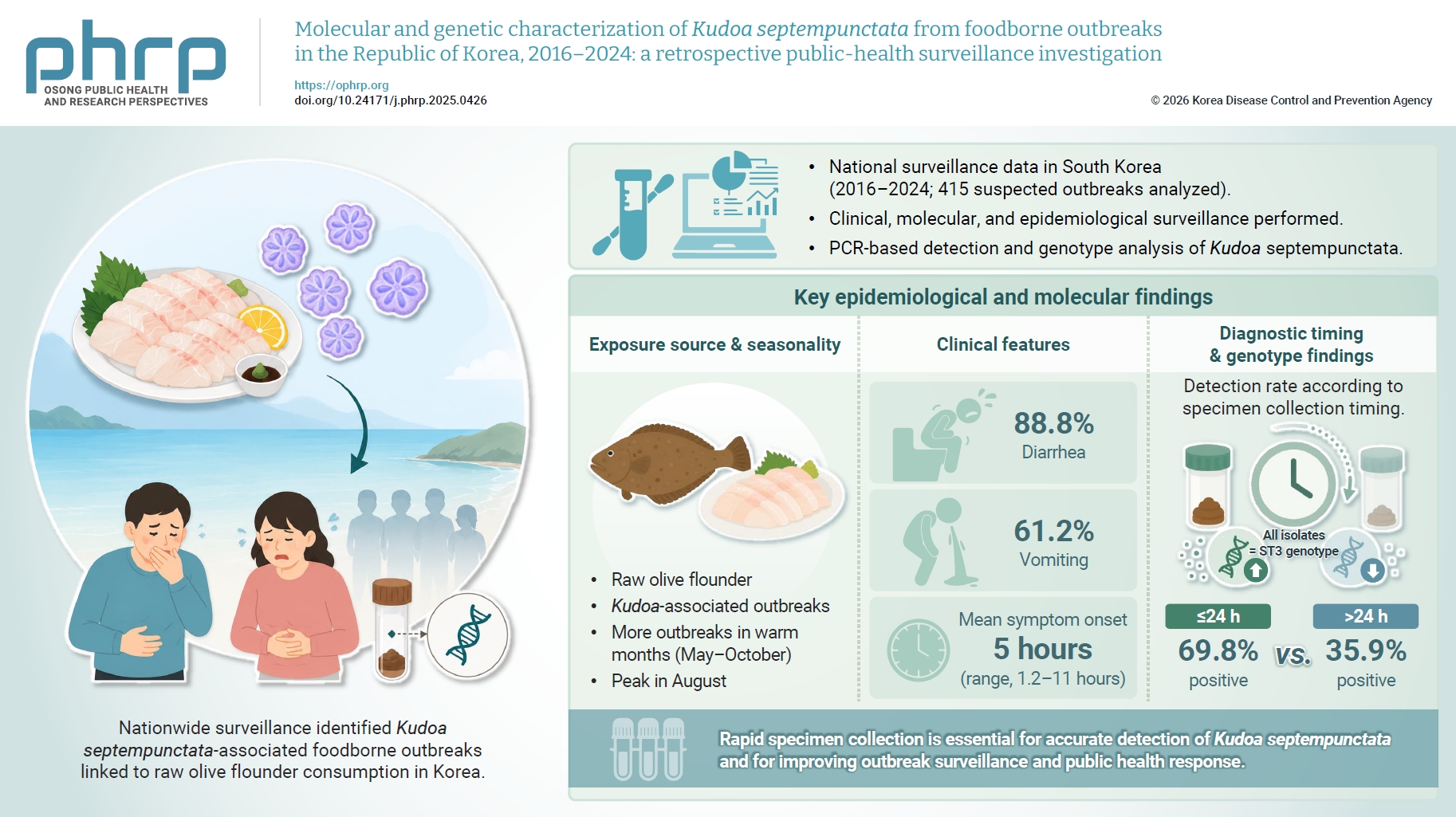


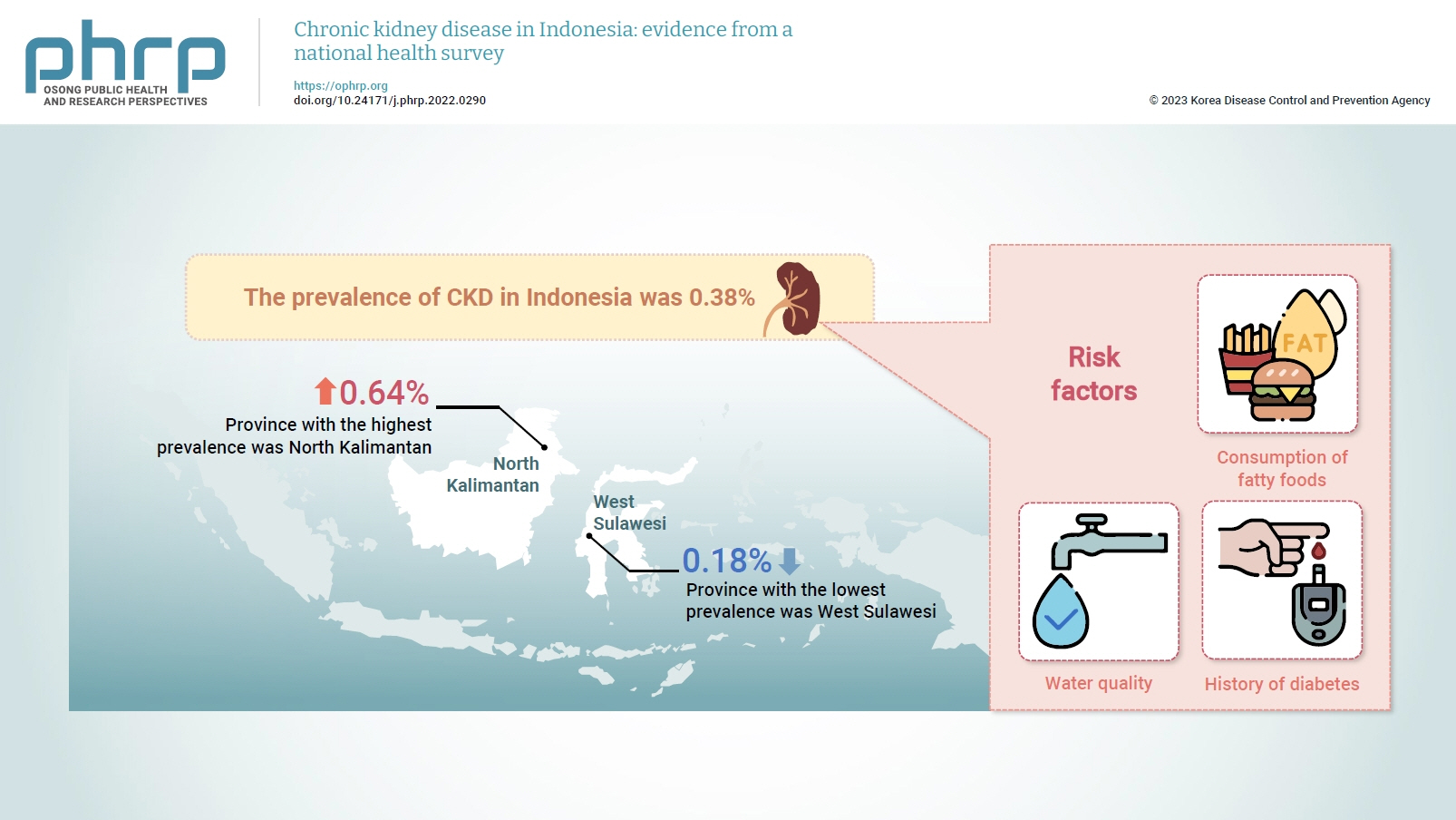
 First
 Prev


