Abstract
-
Objectives
Medication adherence remains a major challenge in the management of type 2 diabetes (T2D), especially in middle-income countries such as Morocco. With the rapid development of artificial intelligence, large language models, including ChatGPT, may offer new opportunities for clinical research through simulated patient profiles. This study examined the feasibility of using ChatGPT to generate culturally contextualized virtual profiles of Moroccan patients with T2D and to apply the validated Moroccan Arabic dialect version of the general medication adherence scale (GMAS).
-
Methods
This exploratory pilot simulation study used ChatGPT-4 to generate 11 virtual profiles based on representative sociodemographic and clinical characteristics of Moroccan patients with T2D. Each profile was administered the validated Moroccan Arabic dialect version of the GMAS.
-
Results
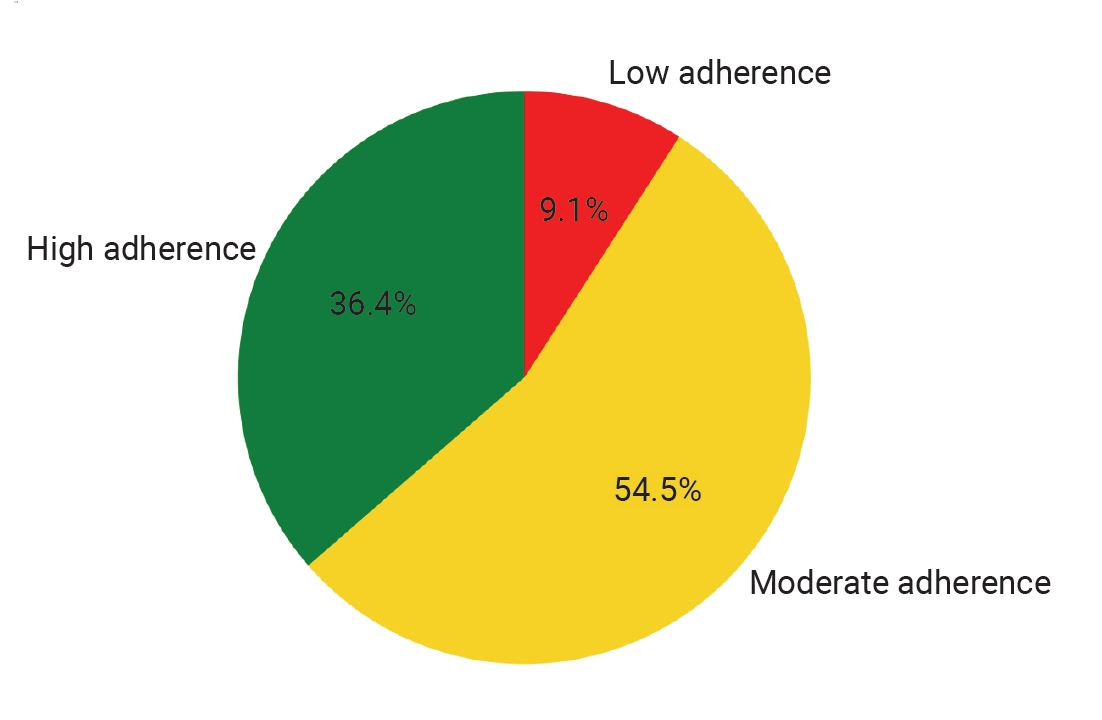
Four profiles (36.4%) showed high adherence, 6 (54.5%) displayed moderate adherence, and 1 (9.1%) exhibited low adherence. Expert evaluations were consistent, with all ratings ≥3 on a 4-point scale, supporting the credibility and cultural appropriateness of the profiles. The simulated patterns reflected real-world trends, with higher adherence among profiles treated with oral antidiabetic drugs, covered by health insurance, and having shorter disease duration, and lower adherence among profiles using insulin, lacking insurance, and having longer disease duration.
-
Conclusion
ChatGPT generated credible, culturally adapted patient profiles that enabled application of a validated psychometric tool in a simulated environment. This rapid, low-cost approach may support exploratory research, healthcare training, and intervention design. Comparative studies using real patient data are needed to confirm validity.
-
Keywords: Artificial intelligence; Diabetes mellitus, type 2; Feasibility studies; Medication adherence; Morocco; Psychometrics
Introduction
Medication adherence is a cornerstone of chronic disease management, particularly in type 2 diabetes (T2D). Poor adherence to prescribed treatment is associated with increased morbidity and mortality and substantially higher healthcare costs [
1,
2]. Although effective therapies are available, their real-world effectiveness depends largely on patients’ adherence to prescribed regimens, which remains suboptimal in routine clinical practice.
In Morocco, the burden of T2D is increasing rapidly. In 2023, the International Diabetes Federation estimated that the prevalence of diabetes among adults was approximately 12.4%, a figure that has increased steadily over the past 2 decades [
3]. This trend is driven by rapid nutritional transitions, increasingly sedentary lifestyles, population aging, and the persistence of traditional healthcare practices [
4]. In this context, medication adherence is affected by numerous barriers, including economic constraints, cultural factors, cognitive limitations, and difficulty accessing care [
5].
Several instruments are available to measure medication adherence. The general medication adherence scale (GMAS), originally developed in Pakistan [
6], assesses adherence across 3 dimensions: unintentional non-adherence, intentional discontinuation, and financial constraints [
7]. Its Arabic version was translated, culturally adapted, and validated in Morocco in 2022, demonstrating excellent psychometric properties among patients with T2D (Cronbach α≈0.80; confirmatory factor analysis >0.95; Kaiser-Meyer-Olkin [KMO] index >0.70) [
8]. This instrument therefore appears particularly suitable for evaluating medication adherence in the Moroccan context. Testing such tools in a simulated environment before field application may serve as a methodological pre-validation step by helping identify potential biases, refine protocols, and reduce the cost and time required for real-world surveys.
In parallel, the rise of artificial intelligence (AI), particularly large language models (LLMs) such as ChatGPT, has opened new avenues in health research. Several studies have demonstrated the usefulness of these models for generating clinical cases, supporting medical training, and assisting with scientific writing [
9]. However, these tools have important limitations, including bias, potential errors, and reliability concerns [
10,
11].
More recently, studies have explored ChatGPT’s capacity to simulate clinical situations and interact credibly in educational or exploratory contexts [
12,
13]. However, no study to date has evaluated its potential to simulate patient profiles embedded in a specific cultural context for the application of validated psychometric tools. This gap is particularly relevant in the Middle East and North Africa region, where scientific contributions on AI integration in healthcare remain limited and where cultural and linguistic contextualization is central to the validity of digital approaches. To our knowledge, this is the first application of the GMAS in Moroccan Arabic dialect within an AI-based simulated environment.
Against this background, this exploratory pilot simulation study examined the feasibility of using ChatGPT to simulate profiles of Moroccan patients with T2D for application of the locally validated version of the GMAS. This work proposes a methodological approach that combines the psychometric strengths of a validated tool with the generative flexibility of language models as a preparatory step toward real-world surveys on medication adherence.
Materials and Methods
Study Design
This methodological exploratory pilot simulation study assessed the feasibility of using an LLM, specifically ChatGPT, to generate virtual profiles of Moroccan patients with T2D. The approach aimed to evaluate the application of the validated Moroccan Arabic dialect version of the GMAS in a culturally contextualized simulated environment.
This exploratory design was chosen to explore the ability of an LLM to generate plausible behavioral data, assess the consistency of the generated results with trends documented in the literature, and refine the scale administration protocol and data interpretation procedures to support the design of future real-world surveys among Moroccan patients with T2D.
Medication Adherence Assessment Tool
Medication adherence was assessed using the validated Moroccan Arabic dialect version of the GMAS. Originally developed in Pakistan, the GMAS consists of 11 items grouped into 3 main dimensions.
Table 1 summarizes these dimensions.
The version used in this study was the translation and cultural adaptation developed specifically for Moroccan patients with T2D and psychometrically validated in 2022. This validation study demonstrated satisfactory internal consistency (Cronbach α≈0.80), confirmed factorial validity (confirmatory factor analysis >0.95), and an adequate KMO sampling adequacy index (>0.70). These psychometric properties support the relevance and robustness of the GMAS for measuring medication adherence in the Moroccan context [
8].
Simulation Procedure with ChatGPT
Eleven virtual profiles of Moroccan patients with T2D were generated using ChatGPT-4, an LLM developed by OpenAI. These simulated profiles were constructed from selected sociodemographic and clinical parameters representative of the Moroccan context, defined based on available local epidemiological data and the authors’ professional experience in T2D management. The selected variables included age, sex, place of residence (urban or rural), education level, occupation, health insurance status, treatment type (oral antidiabetic drugs only, insulin only, or combination therapy), duration of diabetes, and common comorbidities, such as hypertension and dyslipidemia. The objective was not to obtain a statistically representative sample but to cover a realistic and diverse range of situations encountered in clinical practice in Morocco.
The initial prompt provided to ChatGPT contained detailed instructions describing the expected sociodemographic, clinical, and behavioral profile of each simulated patient, including age, sex, education level, health insurance status, treatment type, and disease duration. The simulation was conducted in a single session, with an iterative approach used for each profile to support internal consistency of responses and reproducibility of the protocol. All data were generated on August 1, 2024; this date is reported to ensure transparency and traceability.
The simulation instructions were designed to reproduce sociodemographic situations representative of the Moroccan population, including age, sex, education level, occupation, place of residence, and health insurance coverage; realistic therapeutic patterns, including the main treatment modalities observed in national clinical practice, such as oral antidiabetic drugs only, insulin only, or combination therapy; and varied attitudes toward medication adherence, ranging from optimal to poor adherence and linked to plausible contextual factors.
Each simulated profile was then administered, through a textual interaction, the 11 items of the validated Moroccan Arabic dialect version of the GMAS, following the same administration procedures used in face-to-face surveys.
The responses generated by ChatGPT were fully recorded, coded according to the official GMAS scoring system, and interpreted to determine adherence level as high, moderate, or low.
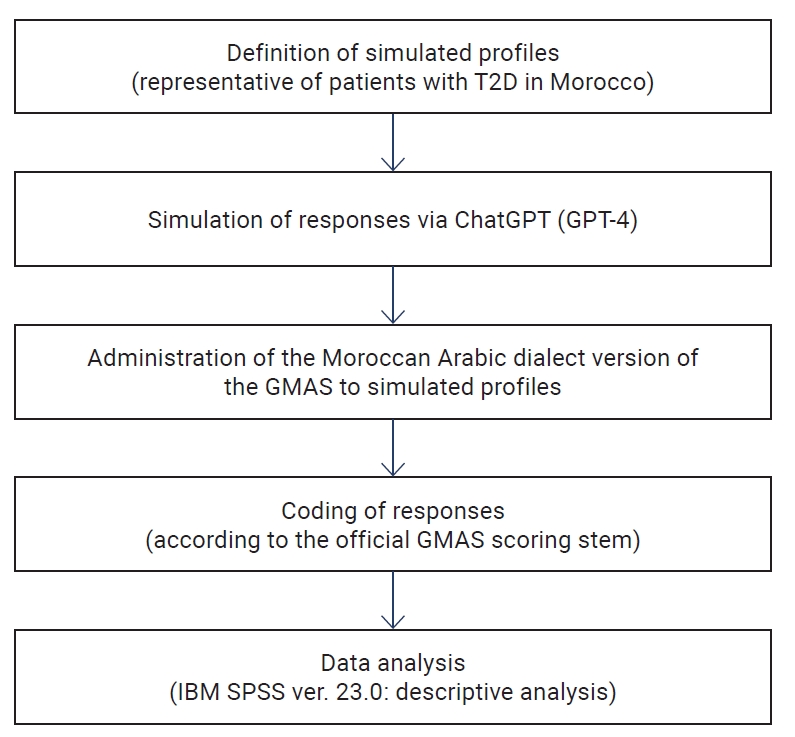
Figure 1 illustrates the methodological steps: definition of representative profiles, administration of the GMAS, standardized coding of responses, and descriptive analysis using IBM SPSS ver. 23.0 (IBM Corp.).
Justification of Profile Selection and Analysis
Eleven virtual profiles of patients with T2D were generated using ChatGPT (GPT-4) to simulate diverse sociodemographic and clinical situations encountered in Moroccan healthcare settings. The number of profiles (n=11) was selected to balance 2 requirements: ensuring sufficient heterogeneity to represent key factors known to influence medication adherence, including age, sex, education level, socioeconomic status, health insurance type, treatment regimen, comorbidities, and rural or urban residence; and maintaining a manageable sample size for an exploratory methodological study. Each profile was created through iterative prompts guided by real-world distributions reported in national epidemiological data and previous Moroccan studies on T2D. The plausibility of the generated characteristics was reviewed by an expert panel comprising an endocrinologist, a diabetes educator nurse, and a biostatistician, who supported their clinical and cultural relevance. After expert review, the 11 profiles were administered the Moroccan Arabic dialect version of the GMAS. Data were analyzed descriptively and compared with published adherence studies from Morocco and international settings to assess coherence and methodological feasibility.
The number of simulated profiles was intentionally limited because this study was designed as an exploratory pilot simulation to assess methodological feasibility rather than statistical representativeness. Similar pilot and simulation-based methodological studies commonly use small samples to evaluate plausibility, protocol consistency, and operational feasibility before large-scale implementation. Future studies using larger simulated datasets, such as 50–100 profiles, may help assess the robustness, reproducibility, and scalability of the proposed approach.
Expert-Based Qualitative Validation
Three independent experts evaluated the plausibility and cultural relevance of the ChatGPT-generated responses for each of the 11 simulated profiles. The panel consisted of an endocrinologist, a diabetes nurse educator, and a methodologist-biostatistician.
The profiles were constructed from predefined sociodemographic and clinical parameters, including age, sex, place of residence, education level, health insurance coverage, treatment type—oral antidiabetic drugs, insulin, or combination therapy—and possible comorbidities. However, these simulation parameters were not disclosed to the experts. Each expert received only the complete narrative description of the simulated profiles and their responses to the validated Moroccan Arabic dialect version of the GMAS.
Each expert assessed 3 main dimensions: the clinical plausibility of the responses, the cultural and linguistic relevance, and internal consistency between the profile characteristics and the corresponding responses.
This step aimed to determine whether the simulated profiles could be considered credible, culturally adapted, and consistent with Moroccan field realities before exploratory analysis. The experts were blinded to the exact prompting instructions and simulation generation process. Each expert independently reviewed the simulated profiles and corresponding GMAS responses before participating in a consensus discussion to compare perspectives and confirm the consistency of expert judgments across the 3 evaluation domains. In cases of minor disagreement, final judgments were reached through collective discussion until agreement was achieved. Given the exploratory nature and small sample size of this pilot simulation study, the expert assessment was intended as a qualitative methodological validation rather than a formal psychometric reliability analysis. No modifications were made to the original responses generated by ChatGPT. All expert assessments were documented and analyzed descriptively.
Data Processing
Data generated during the simulations were entered and processed using IBM SPSS ver. 23.0.
The analysis included a detailed description of responses to each of the 11 items of the validated Moroccan Arabic dialect version of the GMAS and overall categorization of medication adherence according to the official scoring system of the scale: high adherence, score ≥27; moderate adherence, score 17–26; and low adherence, score <17.
Given the exploratory nature of the study and the small simulated sample size (n=11), no inferential statistical analyses were performed. The aim was to examine the internal consistency and plausibility of the simulated profiles as a preparatory step for future real-world studies.
Ethical Considerations
This study did not involve data from real patients. The profiles and their responses were generated entirely by AI using ChatGPT-4. Use of the Moroccan Arabic dialect version of the GMAS was based on prior psychometric validation among patients with T2D in Morocco [
8]. For this methodological study, only independent experts—an endocrinologist, a diabetes educator nurse, and a biostatistician—were consulted to assess the plausibility and cultural relevance of the simulated profiles. These experts provided informed verbal consent before participation, which was documented by the research team. Beyond procedural considerations, the use of AI to simulate patient behaviors raises important ethical questions related to transparency, accountability, and potential misuse. AI-generated profiles should not be interpreted as substitutes for real patient experiences or clinical judgment. Simulated outputs may also reinforce existing biases in training data or oversimplify complex psychosocial determinants of medication adherence. Therefore, this approach should be considered only as a complementary exploratory research tool. The study followed general principles of responsible AI use in healthcare, including methodological transparency, acknowledgment of limitations, and avoidance of automated clinical decision-making.
This research therefore represents a methodological preparatory step for future field surveys, minimizing ethical risks while adhering to the principles of the Declaration of Helsinki regarding research involving human participants.
Results
Qualitative Validation of Simulated Profiles
The experts evaluated the 3 selected criteria using a 4-point rating scale: 1, poor; 2, fair; 3, good; and 4, excellent. The scale reflected the level of credibility and adequacy attributed to each dimension.
Table 2 summarizes these evaluations. The high mean scores indicate that the simulated profiles were generally considered credible, culturally appropriate, and consistent with their sociodemographic and clinical characteristics. Cultural and linguistic relevance had the highest mean score (3.8±0.3), reflecting the linguistic and contextual adequacy of the simulation. Clinical plausibility (3.6±0.4) and internal consistency (3.7±0.5) also received high expert ratings, supporting the consistency of the ChatGPT-generated profiles with the Moroccan context. No profile received a score below 3 for any criterion, indicating overall homogeneity in the positive evaluations.
Characteristics of the Simulated Profiles
Table 3 presents the sociodemographic and clinical characteristics of the 11 virtual profiles of Moroccan patients with T2D. The simulated sample was constructed to reproduce the diversity of cases encountered in real clinical practice in Morocco from both sociodemographic and medical perspectives.
The ages of the profiles ranged from 38 to 70 years, with an almost balanced sex distribution of 6 women and 5 men. Education levels ranged from illiteracy to university education, and occupational status included employed, unemployed, retired, and informal-sector categories. Places of residence were distributed between urban and rural settings, reflecting the territorial and socioeconomic diversity of the country (
Table 3).
The distribution of health insurance coverage reflected Moroccan healthcare coverage patterns, including Mandatory Health Insurance (Assurance Maladie Obligatoire [AMO]), the National Social Security Fund (CNSS), the National Fund of Social Welfare Organizations (CNOPS), and profiles without social coverage. The simulated therapeutic regimens included oral antidiabetic drugs alone, insulin alone, and combination therapy. Disease duration ranged from 2 to 20 years, covering both recent cases and long-standing disease (
Table 3).
Several profiles also included comorbidities commonly associated with T2D, particularly hypertension and dyslipidemia, reinforcing the clinical plausibility and relevance of the simulated panel (
Table 3).
Medication Adherence Scores According to the GMAS
Table 4 presents the GMAS scores for each of the 11 simulated profiles and their corresponding adherence levels. Scores ranged from 16 to 33, out of a maximum of 33 points.
Among the profiles, 4 (P1, P4, P8, and P11) showed high adherence (score ≥27), 6 showed moderate adherence (score 17–26), and 1 profile (P9) showed low adherence (score <17).
This distribution suggests plausible behavioral diversity consistent with the simulated variables, including education level, health coverage, treatment complexity, and comorbidities. These findings suggest that, under the prompting strategy used, ChatGPT can generate differentiated profiles reflecting plausible attitudes toward medication adherence, thereby allowing coherent application of the GMAS in an exploratory context.
Cross-Analysis of Adherence Levels According to Potential Explanatory Variables
Table 5 presents a descriptive cross-analysis of medication adherence levels according to 3 selected variables: treatment type, health coverage, and diabetes duration. Several trends were observed. Profiles treated exclusively with oral antidiabetic drugs had the highest proportion of high adherence (75%), whereas no profile treated with insulin alone reached this level. Disease duration of ≤5 years was modeled as consistent with high adherence in 75% of cases, compared with 14.3% for duration of >10 years. Regarding health coverage, 57.1% of insured profiles (CNSS, CNOPS, or AMO) showed high adherence, compared with 25% of uninsured profiles. One uninsured profile showed low adherence, whereas no low-adherence case was observed among insured profiles.
Although based on a small simulated sample (n=11), these trends are consistent with findings reported in the literature. They suggest that treatment simplicity, institutional support through health coverage, and shorter disease duration are associated with better medication adherence. No statistical test was applied because of the limited simulated sample size; instead, the objective was to identify plausible trends for further exploration in real-world surveys.
Dimension-wise analysis of the GMAS
Examination of mean scores by GMAS dimension showed distinct trends across the evaluated domains (
Table 6). The unintentional forgetting dimension had a high mean score (10.8±2.1 out of 12), reflecting good control of this component in most simulated profiles. This consistency suggests that reminders or medication-taking routines were well integrated across the simulated profiles, regardless of sociodemographic characteristics.
In contrast, the voluntary discontinuation dimension showed greater variability (11.2±3.4 out of 13), reflecting differences in attitudes toward treatment that cannot be explained solely by economic factors. These variations may reflect differences in individual perceptions of therapeutic efficacy, treatment tolerance, or long-term motivation.
The financial constraints dimension had an overall mean score of 9.6±2.7 out of 11, indicating a moderate economic burden overall but with notable disparities. Profiles without health coverage had higher scores (11.1±2.3) than those with coverage (7.8±2.0), suggesting a protective role of insurance. Place of residence also appeared relevant: rural profiles (10.4±2.5) tended to be more exposed than urban profiles (8.6±2.4), likely because of more limited access to subsidized care and higher indirect costs. Treatment type also emerged as a differentiating factor: simulated patients receiving insulin therapy (10.9±2.6) faced greater financial constraints than those receiving oral antidiabetic drugs alone (8.7±2.2), reflecting the higher cost of insulin and related supplies.
Overall, these results indicate that although unintentional forgetting was relatively well controlled in the simulated profiles, voluntary discontinuation and especially financial constraints may represent priority targets for tailored interventions. Particular attention should be given to patients without health coverage, those living in rural areas, and those requiring insulin therapy to reduce the economic impact on medication adherence.
Graphical Visualization of Adherence Levels
Figure 2 shows that more than half of the simulated profiles had moderate adherence, indicating potential room for improvement within the modeled management scenarios. Low adherence was less frequent and was observed in profiles characterized by factors commonly linked to poorer adherence, including lack of health coverage and insulin-only treatment.
Comparison Between Simulation and Real-World Studies
Table 7 compares medication adherence levels obtained in the simulation with those reported in field studies conducted in Morocco and internationally [
14–
17]. The simulated adherence levels were markedly lower than those observed in Moroccan clinical surveys, in which the proportion of high adherence generally exceeded 90%.
In the simulation, only 36.4% of profiles exhibited high adherence, compared with 95.8% in the 2023 Moroccan validation study and 91.2% in the 2025 multicenter study. Conversely, more than half of the simulated profiles showed moderate adherence (54.5%), and 9.1% showed low adherence. These levels are rarely reported in Moroccan studies but are more consistent with proportions observed in some international contexts, including Jordan and Saudi Arabia.
Several explanations may account for these differences: a deliberately heterogeneous modeling approach designed to test the sensitivity of the simulation protocol, including the introduction of “at-risk” profiles with lower adherence; the absence of positive human factors, such as the physician–patient relationship, family support, or therapeutic education, which often strengthen adherence in real-world surveys; and a methodological decision to orient the simulation toward more diverse cases rather than simply reproducing the well-documented high adherence rates reported in Morocco, thereby highlighting ChatGPT’s ability to generate differentiated profiles.
Discussion
This exploratory pilot simulation study assessed the feasibility of using ChatGPT (GPT-4) to simulate profiles of Moroccan patients with T2D and apply the GMAS, validated in Moroccan Arabic dialect. This approach allowed the consistency and relevance of a psychometric tool to be tested in a simulated yet culturally contextualized environment while identifying plausible trends in medication adherence.
Analysis of the generated profiles revealed clear patterns. The highest adherence levels were observed in profiles treated exclusively with oral antidiabetic drugs, those with health insurance coverage, and those with disease duration of ≤5 years. In contrast, the lowest adherence was modeled among profiles without health coverage, those receiving insulin-only treatment, and those with disease duration >10 years. These findings suggest that, even in a simulated environment, socioeconomic, therapeutic, and clinical determinants may shape the behaviors modeled by AI.
These simulated patterns should not be interpreted as observed patient behaviors. Rather, they should be understood as AI-generated responses intended to reflect plausible adherence-related situations based on predefined assumptions and prompting strategies.
These results are consistent with studies conducted in real-world settings. Maryem et al. [
8] validated the Moroccan Arabic dialect version of the GMAS among 284 patients with T2D, demonstrating excellent psychometric properties (α=0.804; comparative fit index and Tucker-Lewis index >0.95; KMO=0.705). In a field survey using this version, high medication adherence was reported in 95.8% of patients. Statistical analysis showed a significant association between treatment type and adherence: patients treated with a single oral antidiabetic drug had better adherence than those receiving insulin-based therapy [
14]. A multicenter study of 584 patients reported associations of disease duration and therapeutic complexity with adherence [
15]. Internationally, validations conducted in Jordan, Saudi Arabia, and Sudan also highlighted the cross-cultural robustness of this tool [
17,
18].
These findings are also relevant to neighboring Arabic-speaking contexts. Validation studies conducted in Jordan, Saudi Arabia, and Sudan have shown that Arabic versions of the GMAS maintain good psychometric properties and remain suitable for assessing medication adherence among patients with diabetes or other chronic diseases. This evidence supports the cross-cultural adaptability of the GMAS across Arabic-speaking populations while emphasizing the importance of linguistic and cultural adaptation for each local context. In this regard, the Moroccan Arabic dialect version represents an important contribution because it accounts for the specific linguistic, cultural, and healthcare realities of Moroccan patients with T2D.
The sociodemographic diversity of the simulated profiles reflected key variations observed in the Moroccan population, including age, sex, education level, occupational status, and social coverage. Dimension-wise analysis of the GMAS suggested that unintentional forgetting was more frequent among individuals with lower educational levels or heavy daily workloads; voluntary discontinuation was often linked to negative perceptions of treatment or lack of confidence in its usefulness; and financial constraints were modeled in relation to insurance status. These dynamics were partially reproduced in the simulated responses, illustrating ChatGPT’s capacity to model plausible medication-adherence behaviors under predefined simulation conditions.
From a methodological perspective, this work is novel in integrating an advanced language model into the psychometric evaluation process outside a real-world context. Although previous studies have demonstrated ChatGPT’s ability to generate clinical cases or pass medical examinations [
19,
20], to our knowledge, no study has specifically explored the use of AI to administer a validated scale in a specific cultural context.
Several limitations should be acknowledged. The small simulated sample size (n=11), absence of comparison with real-world patient data, and lack of inferential statistical analyses mean that the results are not generalizable and should be interpreted only as evidence of methodological feasibility.
Importantly, this study should be interpreted as a conceptual and methodological assessment rather than an empirical validation of medication adherence behaviors. The simulated profiles were not directly compared with real patient-level datasets. Future research should include head-to-head comparisons between AI-generated responses and real GMAS datasets collected from Moroccan patients with T2D to evaluate external validity and behavioral fidelity.
Increasing the number of simulated profiles could generate greater behavioral variability and improve the robustness of pattern analysis. Future large-scale simulations involving 50–100 or more virtual profiles may allow more stable trend exploration and better assessment of reproducibility across prompting strategies and model configurations.
Moreover, although the AI-generated responses were consistent, they did not account for the emotional and psychological factors likely to influence real adherence or for the full complexity of human behavior, particularly in social and relational contexts. Cross-validation comparing simulated and real profiles is needed to confirm the external validity of this approach.
Bias and Reproducibility in LLM-Based Simulation
The use of LLMs for behavioral simulation introduces several methodological challenges. First, generated responses remain highly dependent on prompt structure, wording, and contextual framing; small prompt modifications may influence adherence patterns and profile consistency. Second, reproducibility may vary according to the model version, parameter configuration, and updates introduced over time by the AI provider. Third, despite efforts to ensure realism, LLMs remain susceptible to hallucinations and may generate responses that appear plausible without reflecting authentic patient reasoning processes. Finally, the balance between deterministic and probabilistic generation mechanisms may affect response stability across repeated simulations. These limitations underscore the importance of transparent prompt design and standardized simulation protocols in future AI-assisted health research.
Despite these limitations, the findings suggest several potential applications: exploratory research to identify vulnerable profiles before field implementation; preparation of field surveys through protocol refinement; and therapeutic education through simulations adapted to patients’ cultural and socioeconomic profiles.
This approach could be reproduced in other Arabic-speaking contexts and potentially extended to other chronic diseases, contributing to the ethical and deliberate integration of AI into public health research.
This approach may also have pedagogical value. It could be used as a training tool for healthcare professionals and students, helping them rapidly identify patients at risk of poor adherence. By simulating diverse clinical and socioeconomic scenarios, the approach could support the development of analytical and decision-making skills without exposing real patients to risk. Integration into continuing education programs could also improve healthcare teams’ familiarity with psychometric tools and help standardize evaluation practices.
From a public health perspective, if validated through large-scale comparative studies, this methodology could reduce time and costs during preparatory study phases by enabling early identification of critical situations. The replicability of this protocol in other languages and for other chronic diseases, including Arabic-speaking contexts such as Algeria, Tunisia, and Egypt, also creates opportunities for broader cultural and linguistic adaptation and may strengthen the international applicability of this approach.
Conclusion
This exploratory pilot simulation study highlights the potential of AI, particularly ChatGPT, to simulate realistic patient profiles and apply a validated psychometric tool within a specific cultural context. The findings suggest that, even in a simulated environment, socioeconomic, therapeutic, and clinical determinants may shape medication adherence patterns, supporting the internal coherence of the generated profiles within the simulation framework.
Despite limitations, including the small simulated sample size and the absence of direct comparison with real-world data, this approach suggests several potential applications. It could be used before field studies to identify vulnerable patient profiles, refine research protocols, and support personalized therapeutic education. It may also serve as a pedagogical tool for training healthcare professionals and students, allowing them to practice analyzing diverse profiles without exposing real patients to risk.
Beyond its methodological contribution, this study is notable for its novelty. To our knowledge, it represents one of the first applications of the GMAS, validated in Moroccan Arabic dialect, within an AI-based simulated environment. This application highlights the relevance of combining cultural contextualization with technological innovation.
In conclusion, although empirical validation remains the cornerstone of psychometric research, this approach represents an initial step toward the ethical and deliberate integration of AI into public health research. Its potential extension to other chronic diseases and linguistic contexts may support broader cultural and pedagogical adaptation and strengthen its international applicability.
HIGHLIGHTS
• This study explores the use of ChatGPT to simulate profiles of Moroccan patients with type 2 diabetes.
• Eleven culturally contextualized virtual profiles were generated and assessed using the validated general medication adherence scale.
• Expert review supported the plausibility, cultural appropriateness, and internal consistency of the simulated responses.
• Adherence patterns were broadly consistent with real-world trends reported in Moroccan and international studies.
• ChatGPT may serve as a rapid, low-cost tool for exploratory research and healthcare training.
Article information
Ethics Approval
Not applicable.
Conflicts of Interest
The authors have no conflicts of interest to declare.
Availability of Data
All data generated or analyzed during this study are included in this article. Additional data may be requested from the corresponding author.
Authors’ Contributions
Conceptualization: all authors; Data curation: MA; Formal analysis: MA, MK; Investigation: MAi, MC; Methodology: all authors; Project administration: MA; Supervision: MK, MC; Validation: MA, MK; Visualization: MA; Writing–original draft: MA; Writing–review & editing: all authors. All authors read and approved the final manuscript.
Figure 1.
Simulation protocol schema.
T2D, type 2 diabetes; GMAS, general medication adherence scale.
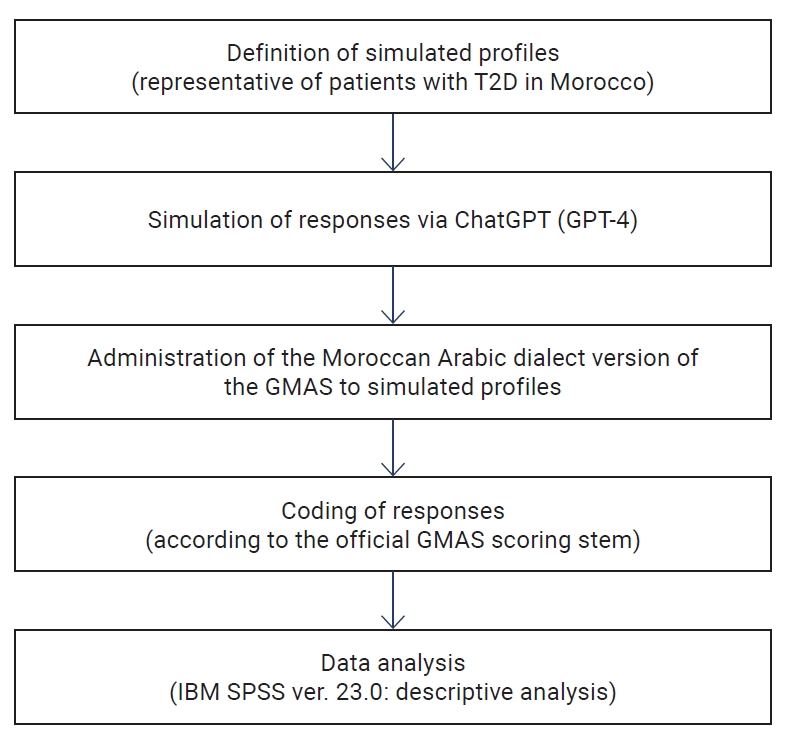
Figure 2.Distribution of simulated profiles by medication adherence level.
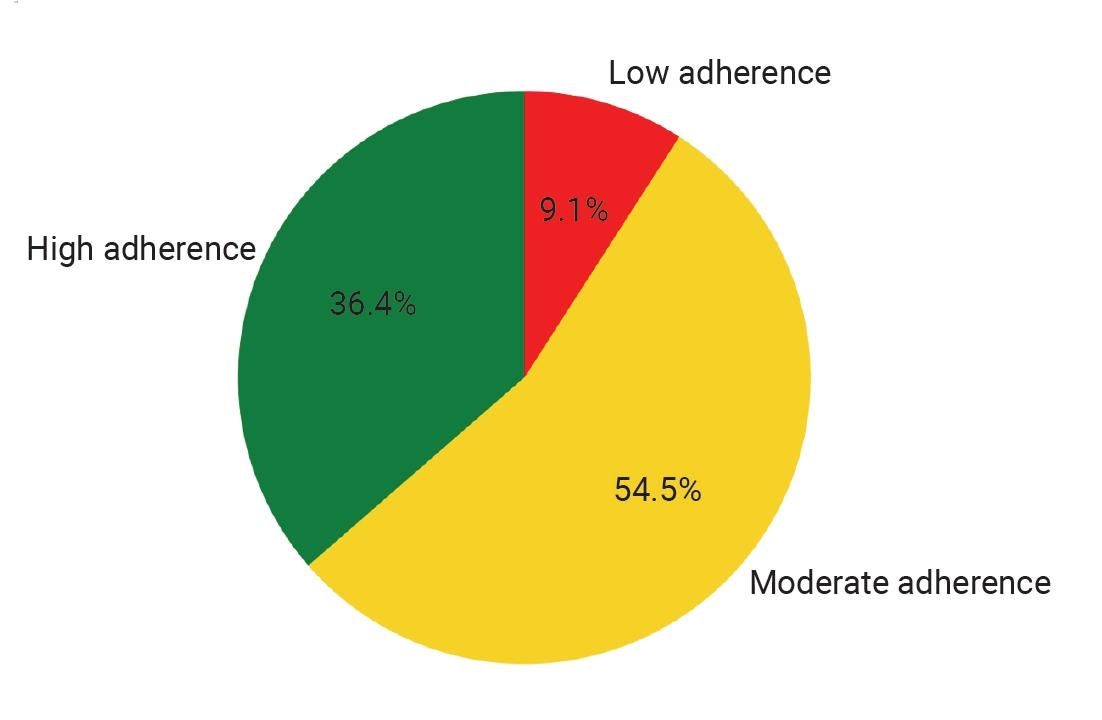
Table 1.
Table 1.
| GMAS dimension |
Description |
| Unintentional non-adherence |
Forgetfulness or unintentional difficulties in taking medication |
| Intentional discontinuation |
Voluntary interruption or modification of treatment |
| Financial constraints |
Difficulties related to treatment cost or affordability |
Table 2.Mean expert evaluations by criterion among the 11 simulated profiles
Table 2.
| Evaluated criterion |
Mean±SD |
Min |
Max |
| Clinical plausibility |
3.6±0.4 |
3 |
4 |
| Cultural/linguistic relevance |
3.8±0.3 |
3 |
4 |
| Internal consistency |
3.7±0.5 |
3 |
4 |
Table 3.Sociodemographic and clinical characteristics of the simulated profiles
Table 3.
| Profile |
Age (y) |
Sex |
Residence |
Education level |
Occupation |
Insurance |
Treatment type |
Duration of T2D (yr) |
Comorbidities |
| P1 |
45 |
Female |
Urban |
Secondary school |
Unemployed |
AMO |
OAD only |
2 |
None |
| P2 |
60 |
Male |
Rural |
Illiterate |
Farmer |
None |
Insulin only |
15 |
HTN |
| P3 |
52 |
Male |
Urban |
Primary school |
Driver |
CNSS |
OAD+insulin |
8 |
HTN+dyslipidemia |
| P4 |
38 |
Female |
Urban |
University |
Employed |
CNOPS |
OAD only |
3 |
None |
| P5 |
70 |
Male |
Rural |
Illiterate |
Retired |
AMO |
Insulin only |
20 |
HTN+others |
| P6 |
55 |
Female |
Urban |
High school |
Seamstress |
None |
Two OADs |
10 |
Dyslipidemia |
| P7 |
62 |
Female |
Rural |
Primary school |
Housewife |
CNOPS |
OAD+insulin |
12 |
HTN |
| P8 |
49 |
Male |
Urban |
University |
Civil servant |
CNSS |
OAD only |
5 |
None |
| P9 |
59 |
Male |
Rural |
Secondary school |
Shopkeeper |
None |
Insulin only |
17 |
HTN+dyslipidemia |
| P10 |
67 |
Female |
Urban |
Illiterate |
Retired |
AMO |
OAD+insulin |
11 |
HTN |
| P11 |
42 |
Female |
Urban |
High school |
Nurse |
CNOPS |
OAD only |
6 |
None |
Table 4.GMAS scores and medication adherence levels of the simulated profiles
Table 4.
| Profile |
GMAS score (out of 33) |
Adherence level |
| P1 |
30 |
High |
| P2 |
18 |
Moderate |
| P3 |
24 |
Moderate |
| P4 |
32 |
High |
| P5 |
17 |
Moderate |
| P6 |
25 |
Moderate |
| P7 |
20 |
Moderate |
| P8 |
31 |
High |
| P9 |
16 |
Low |
| P10 |
22 |
Moderate |
| P11 |
33 |
High |
Table 5.Descriptive cross-analysis of adherence level according to selected profile characteristics
Table 5.
| Variable |
High adherence (%) |
Moderate adherence (%) |
Low adherence (%) |
| Treatment type: OAD only |
75.0 |
25.0 |
0.0 |
| Treatment type: OAD+insulin |
33.3 |
66.7 |
0.0 |
| Treatment type: insulin only |
0.0 |
66.7 |
33.3 |
| Insurance: covered (CNSS/CNOPS/AMO) |
57.1 |
42.9 |
0.0 |
| Insurance: uninsured |
25.0 |
50.0 |
25.0 |
| Duration: ≤5 y |
75.0 |
25.0 |
0.0 |
| Duration: 6–10 y |
50.0 |
50.0 |
0.0 |
| Duration: >10 y |
14.3 |
57.1 |
28.6 |
Table 6.Mean scores by dimension of the general medication adherence scale according to selected profile characteristics
Table 6.
| Dimension |
Mean score±SD |
Min |
Max |
No insurance |
With insurance |
Rural |
Urban |
OAD only |
Insulin |
| Unintentional forgetting |
10.8±2.1 |
6 |
12 |
- |
- |
- |
- |
- |
- |
| Voluntary discontinuation |
11.2±3.4 |
5 |
13 |
- |
- |
- |
- |
- |
- |
| Financial constraints |
9.6±2.7 |
4 |
11 |
11.1±2.3 |
7.8±2.0 |
10.4±2.5 |
8.6±2.4 |
8.7±2.2 |
10.9±2.6 |
Table 7.Comparison of adherence levels between simulated profiles and Moroccan and international studies
Table 7.
| Source/context |
High (%) |
Moderate (%) |
Low (%) |
| ChatGPT simulation (present study) |
36.4 |
54.5 |
9.1 |
| Maryem et al. [14] (2023); Morocco (n=284, GMAS) |
95.8 |
3.9 |
0.3 |
| Multicenter study [15]; Morocco, 2025 (n=584, GMAS) |
91.2 |
7.5 |
1.3 |
| GMAS validation [17]; Jordan (n=428) |
83.4 |
12.1 |
4.5 |
| GMAS validation [16]; Saudi Arabia (n=502) |
80.7 |
15.3 |
4.0 |
References
- 1. De Geest S, Sabate E. Adherence to long-term therapies: evidence for action. Eur J Cardiovasc Nurs 2003;2:323.
- 2. World Health Organization (WHO) (CH). Diabetes [Internet]. WHO; 2024 [cited 2024 Feb 5]. Available from: https://www.who.int/news-room/fact-sheets/detail/diabetes/.
- 3. Bergman M, Manco M, Satman I, et al. International Diabetes Federation Position Statement on the 1-hour post-load plasma glucose for the diagnosis of intermediate hyperglycaemia and type 2 diabetes. Diabetes Res Clin Pract 2024;209:111589.
- 4. Arraji M, Al Wachami N, Boumendil K, et al. Ethnobotanical survey on herbal remedies for the management of type 2 diabetes in the Casablanca-Settat region, Morocco. BMC Complement Med Ther 2024;24:160.
- 5. Amara A, Ghammem R, Zammit N, et al. Adherence to medication among Tunisian adults with type 2 diabetes. Eur J Public Health 2020;30(Suppl_5). ckaa166.1151.
- 6. Naqvi AA, Hassali MA, Rizvi M, et al. Development and validation of a novel general medication adherence scale (GMAS) for chronic illness patients in Pakistan. Front Pharmacol 2018;9:1124.
- 7. AlQarni K, AlQarni EA, Naqvi AA, et al. Assessment of medication adherence in Saudi patients with type II diabetes mellitus in Khobar City, Saudi Arabia. Front Pharmacol 2019;10:1306.
- 8. Maryem A, Younes I, Yassmine M, et al. Translation, cultural adaptation and validation of the general medication adherence scale (GMAS) in Moroccan patients with type-2 diabetes. BMC Nurs 2023;22:302.
- 9. Biswas S. ChatGPT and the future of medical writing. Radiology 2023;307:e223312.
- 10. van Dis EAM, Bollen J, Zuidema W, et al. ChatGPT: five priorities for research. Nature 2023;614:224−6.
- 11. Shen Y, Heacock L, Elias J, et al. ChatGPT and other large language models are double-edged swords. Radiology 2023;307:e230163.
- 12. Scherr R, Halaseh FF, Spina A, et al. ChatGPT interactive medical simulations for early clinical education: case study. JMIR Med Educ 2023;9:e49877.
- 13. Gilson A, Safranek CW, Huang T, et al. How does ChatGPT perform on the United States medical licensing examination (USMLE)?: the implications of large language models for medical education and knowledge assessment. JMIR Med Educ 2023;9:e45312.
- 14. Maryem A, Nadia AW, Younes I, et al. Measurement of medication adherence among type II diabetes patients attending primary healthcare facilities in Morocco. F1000Res 2023;12:1316.
- 15. Arraji M, Wachami NA, Iderdar Y, et al. Prevalence and determinants of medication adherence in Moroccan patients with type 2 diabetes: a multicenter cross-sectional study. Osong Public Health Res Perspect 2025;16:392−405.
- 16. Naqvi AA, Mahmoud MA, AlShayban DM, et al. Translation and validation of the Arabic version of the general medication adherence scale (GMAS) in Saudi patients with chronic illnesses. Saudi Pharm J 2020;28:1055−61.
- 17. Islam MA, El-Dahiyat F, Nouri A, et al. Validation of the Arabic version of the general medication adherence scale in patients with type 2 diabetes mellitus in Jordan. Front Pharmacol 2023;14:1194672.
- 18. Mahmoud MA, Islam MA, Ahmed M, et al. Validation of the Arabic version of general medication adherence scale (GMAS) in Sudanese patients with diabetes mellitus. Risk Manag Healthc Policy 2021;14:4235−41.
- 19. Hosseini M, Gao CA, Liebovitz DM, et al. An exploratory survey about using ChatGPT in education, healthcare, and research. PLoS One 2023;18:e0292216.
- 20. Kung TH, Cheatham M, Medenilla A, et al. Performance of ChatGPT on USMLE: potential for AI-assisted medical education using large language models. PLOS Digit Health 2023;2:e0000198.