Introduction
Cervical cancer is one of the few malignancies for which the causal pathway from infection to cancer development has been clearly established [
1]. The identification of persistent infection with oncogenic human papillomavirus (HPV) as the primary aetiological factor in the late twentieth century transformed cervical cancer from a largely fatal disease into one that is potentially preventable through vaccination and screening [
2,
3]. Countries such as Australia, the United Kingdom, and Sweden have demonstrated the effectiveness of organized screening and HPV vaccination programs, reporting substantial declines in cervical cancer incidence and precancerous lesions [
4−
6]. In contrast, many low- and middle-income countries continue to experience a disproportionate burden because of limited screening infrastructure, delayed diagnosis, and unequal access to preventive services [
7,
8]. Reflecting these disparities, the World Health Organization (WHO) launched a global strategy to eliminate cervical cancer as a public health problem and defined elimination as an age-standardized incidence of fewer than 4 cases per 100,000 woman-years [
9]. Monitoring progress toward this goal requires robust and comparable epidemiological evidence across countries and within national regions [
10].
India contributes substantially to the global cervical cancer burden because of its large population and heterogeneity in health-system capacity and preventive service delivery [
11,
12]. Although national estimates suggest gradual declines in incidence and mortality over recent decades, these aggregate trends may conceal substantial subnational variation [
13]. South India is an important epidemiological setting for examining this variation [
11,
14,
15]. The region includes states with diverse sociodemographic characteristics, health infrastructure, cancer registry coverage, and implementation of screening initiatives [
16]. Some states have expanded public health programs and cancer detection services, whereas others continue to face structural barriers to prevention and early diagnosis [
17]. Evaluating cervical cancer trends in South India can therefore clarify how disease trajectories differ across health-system contexts within a single country [
14,
18]. Comparing regional patterns with national and global estimates can also help determine whether observed changes reflect broader epidemiological transitions or region-specific dynamics in prevention, screening, and treatment [
19].
Recent coronavirus disease 2019 (COVID-19)–related health-system disruptions have raised concerns about setbacks in cancer prevention and control worldwide [
20]. Multiple low- and middle-income countries reported temporary suspension of screening services, delays in diagnostic procedures, and interruptions in oncology care during the pandemic period [
20]. Although emerging evidence suggests reductions in screening activity in several regions, the extent to which these disruptions have altered long-term cervical cancer burden remains uncertain, particularly at the subnational level [
21]. Few studies have compared observed post-pandemic burden with counterfactual projections derived from pre-pandemic trends, limiting understanding of whether recent changes represent temporary disruptions or structural shifts in disease trajectories [
22].
In addition to geographic variation, cervical cancer burden differs substantially across age groups [
23]. Older women experience higher mortality and disability, reflecting accumulated risk and delayed detection [
24]. Understanding how age-specific patterns evolve over time and vary across states is therefore critical for designing targeted prevention and screening strategies, particularly in settings where HPV vaccination programs are recent and will not immediately benefit older cohorts [
25,
26]. Integrating analyses of long-term trends, age-stratified burden, and regional heterogeneity can provide important evidence for strengthening equitable cervical cancer control strategies [
25,
27].
Using data from the Global Burden of Disease (GBD) Study 2023, this study quantified long-term trends in cervical cancer incidence, mortality, and disability-adjusted life years (DALYs) among women aged 30–69 years in South India between 1990 and 2023. The study further examined pre-pandemic trends, estimated counterfactual post-pandemic burden, analyzed age- and state-specific patterns, and benchmarked regional progress against national and global estimates and WHO cervical cancer elimination targets. These findings may help guide targeted cervical cancer prevention, screening, and treatment strategies aimed at accelerating progress toward elimination.
Materials and Methods
Study Design and Overview
A population-based observational study was conducted to quantify long-term trends, recent deviations, and age- and state-specific patterns in cervical cancer burden among women aged 30–69 years in South India. Using data from the GBD study 2023, incidence, mortality, and DALYs from 1990 to 2023 were examined, with particular emphasis on pre-pandemic trends, post-pandemic deviations, and benchmarking against WHO cervical cancer elimination targets [
28].
Data Sources
All estimates were obtained from the GBD 2023 study, coordinated by the Institute for Health Metrics and Evaluation. The GBD study synthesizes data from population-based cancer registries, vital registration systems, verbal autopsy studies, and other epidemiological sources using standardized modelling frameworks designed to ensure internal consistency across locations, age groups, and time [
29]. Data for this analysis were extracted from the GBD 2023 Results Tool (Institute for Health Metrics and Evaluation;
https://vizhub.healthdata.org/gbd-results/), corresponding to the GBD 2023 release, with capstone results published in October 2025.
Cervical cancer estimates for International Classification of Diseases, 10th Revision codes C53–C53.9 were extracted for women aged 30–69 years at the global, national (India), and subnational levels, including the South Indian states of Andhra Pradesh, Karnataka, Kerala, Tamil Nadu, and Telangana [
30]. “South India” was defined a priori as the aggregate of these 5 major states, consistent with their shared linguistic, administrative, and health-system classification used in prior subnational GBD analyses of India [
11,
14]. Aggregate South India values were calculated as population-weighted means across the 5 states, using the corresponding GBD population counts as weights for each measure, age group, and year. Puducherry, a Union Territory bordered by these states, was not included because GBD India subnational estimates are modelled for major states, and smaller Union Territories such as Puducherry do not have separately reported GBD subnational location estimates comparable to those for the 5 states listed above. Measures included incidence, deaths, years of life lost, years lived with disability, and DALYs. All estimates were accompanied by 95% uncertainty intervals (UIs).
Outcomes and Measures
The primary outcomes were cervical cancer incidence, mortality, and DALY rates per 100,000 women aged 30–69 years. Secondary outcomes included absolute counts of incident cases and deaths and age-specific DALY rates stratified by 5-year age groups between 30 and 69 years.
Table 1 reports absolute counts extracted directly from the GBD 2023 study. The state- and location-level rates reported in
Tables 2–
4 and
Figures 1–
6 are age-standardized rates (ASRs), calculated using the GBD standard population; this distinction between absolute counts in
Table 1 and ASRs in
Tables 2–
4 and
Figures 1–
6 is used consistently throughout the manuscript [
31]. The age range of 30–69 years was selected to capture the ages of peak HPV-related cervical carcinogenesis and screening-eligible women while minimizing the small number of cases occurring among adolescents and the oldest women, consistent with prior GBD subnational cancer analyses [
11,
12]. This age band is broader than the population to which the WHO elimination indicator is conventionally applied; consequently, comparisons with the WHO incidence threshold of ≤4 cases per 100,000 woman-years in this study should be interpreted as approximations across a wider age range rather than direct replications of the WHO metric. The supplied data export provided age-standardized summary point estimates and 95% uncertainty bounds across the reported age categories used to construct the 30–69-year ASR. State- and location-level rates in
Table 2 and the estimated annual percentage change (EAPC) and counterfactual analyses in
Tables 3 and
4 were therefore derived as ASRs using the GBD standard population; this approach is noted throughout the Results and corresponding table notes.
Long-Term Trend Analysis (1990–2023)
Long-term trends in incidence, mortality, and DALY rates from 1990 to 2023 were assessed. Trends were visualized using smoothed time-series plots for South India, India overall, and global estimates.
To quantify recent pre-pandemic trends, EAPC in ASRs was calculated for 2012–2019 using log-linear regression models. This 8-year window was selected because it immediately preceded the pandemic-related disruptions beginning in 2020, thereby providing a contemporary pre-pandemic baseline while retaining sufficient annual observations (n=8) for stable trend estimation.
where t denotes calendar year. EAPC was derived as follows:
Separate models were fitted for each state and measure, including incidence and mortality.
Counterfactual Projections and Post-Pandemic Deviations
To assess deviations from expected trends, counterfactual projections for 2020–2023 were constructed by extrapolating log-linear pre-pandemic trends from 2012–2019 forward to 2023. Absolute differences between observed and expected rates were then calculated. Percentage differences were calculated using the following formula: percentage difference=(observed−expected)/expected×100.
These deviations were treated as exploratory indicators of possible pandemic-related disruption to cervical cancer prevention, screening, diagnosis, and treatment services. Because the counterfactual model extrapolates 2012–2019 log-linear trends, it cannot distinguish pandemic-specific effects from other contemporaneous influences, including stagnation in HPV vaccination rollout, screening-participation changes unrelated to COVID-19, shifts in public health priorities, or broader health-system and economic changes. These deviations are therefore presented as exploratory associational comparisons rather than evidence of pandemic causation. Sensitivity analyses using alternative pre-pandemic baseline windows or joinpoint or segmented regression were not performed in this analysis and are noted as priorities for future work.
Age-Stratified and Geographic Analyses
Age-specific DALY rates were analyzed across the reported age categories for selected years, including 1990, 2000, 2010, 2019, and 2023, to characterize changes in age patterns over time. The final available GBD aggregate age band was 50–69 years. Subnational heterogeneity was examined using state-level ASRs and DALY distributions. Geographic visualizations were produced to illustrate spatial clustering of high-burden states and age groups within South India.
WHO Elimination Benchmarking
Age-standardized cervical cancer incidence rates were descriptively compared with the WHO cervical cancer elimination threshold of ≤4 incident cases per 100,000 woman-years [
32]. Because the ASRs in this study were calculated for women aged 30–69 years rather than the all-age population to which the WHO indicator is conventionally applied, this comparison should be interpreted as an approximation across a wider age range rather than a direct replication of the WHO metric. States were descriptively classified as above or below the WHO elimination threshold based on their 2023 ASR incidence. As an exploratory analysis, age-specific DALY rates among women aged 50–69 years were also examined to describe the distribution of disease burden across South Indian states. However, DALY comparisons are not part of the WHO cervical cancer elimination framework, which is defined solely by age-standardized incidence [
32].
Uncertainty Analysis
All primary GBD estimates, including absolute counts in
Table 1 and ASRs in
Table 2, are presented with 95% UIs derived from the GBD study. For
Table 2, the accompanying bounds are age-standardized UIs constructed by combining the corresponding age-band lower and upper bounds using the GBD standard population weights. For the derived quantities reported in
Table 3, including EAPC, and for the expected 2023 values in
Table 4, uncertainty is presented as 95% model-based confidence intervals obtained from the log-linear regression models, together with the corresponding P values and R² values. For the observed-minus-expected differences in
Table 4, UIs were constructed using regression confidence intervals and GBD UIs through a conservative interval-based approach; these intervals are therefore approximate rather than formally propagated draw-based intervals. Because all intervals included zero, the observed 2023 deviations should be interpreted cautiously and not as statistically significant departures from the expected trends. Point estimates are reported as means unless otherwise specified.
Statistical Analysis
Cervical cancer incidence, mortality, and DALY rates for women aged 30–69 years were obtained from the GBD 2023 database for South India, India, and global estimates.
Tables 2–
4 and
Figures 1–
6 report ASRs, whereas
Table 1 reports absolute counts with GBD-derived UIs. Long-term trends from 1990 to 2023 were examined using time-series visualization. Statistical analyses were performed using R ver. 4.3.0 (The R Foundation for Statistical Computing). Pre-pandemic trends from 2012 to 2019 were quantified using EAPC based on log-linear regression models of ASRs for each state and outcome, including incidence and mortality. Counterfactual projections for 2020–2023 were generated by extrapolating pre-pandemic trends to estimate expected 2023 rates, and observed values were compared with expected estimates. Age-specific DALY rates were analyzed across 5-year age groups, and ASR incidence was benchmarked against the WHO cervical cancer elimination threshold of ≤4 cases per 100,000 woman-years. Absolute counts in
Table 1 are presented with GBD-derived 95% UIs. The state- and national-level rates reported in
Tables 2–
4 and
Figures 1–
6 are ASRs calculated from the age-specific summary data using the GBD standard population.
Ethical Considerations
This study used publicly available, de-identified secondary data and did not directly involve human participants. Ethical approval and informed consent were therefore not required.
Results
Overall Cervical Cancer Burden in South India in 2023
In 2023, cervical cancer remained a major public health burden among women aged 30–69 years in South India. Absolute counts showed substantial numbers of incident cases and deaths across all states, with particularly large contributions from Tamil Nadu, Andhra Pradesh, and Telangana (
Table 1). At the national level, India accounted for more than 53,000 deaths and more than 114,000 incident cases, whereas the global burden exceeded 276,000 deaths and 730,000 incident cases, underscoring the continued disproportionate burden in low- and middle-income regions (
Table 1). India’s deaths therefore represented approximately 19% of the global total (53,221/276,971); this proportion, which is lower than India’s share of the global female population, is consistent with the substantially higher age-standardized cervical cancer mortality reported in other high-burden regions, particularly sub-Saharan Africa, where rates are several-fold higher than in India [
33].
ASRs further showed marked heterogeneity across South Indian states. In 2023, ASR incidence ranged from 26.05 per 100,000 women in Kerala to 65.83 per 100,000 women in Telangana, whereas ASR mortality ranged from 11.47 per 100,000 women in Kerala to 30.78 per 100,000 women in Telangana (
Table 2).
Long-Term Trends in Incidence and Mortality (1990–2023)
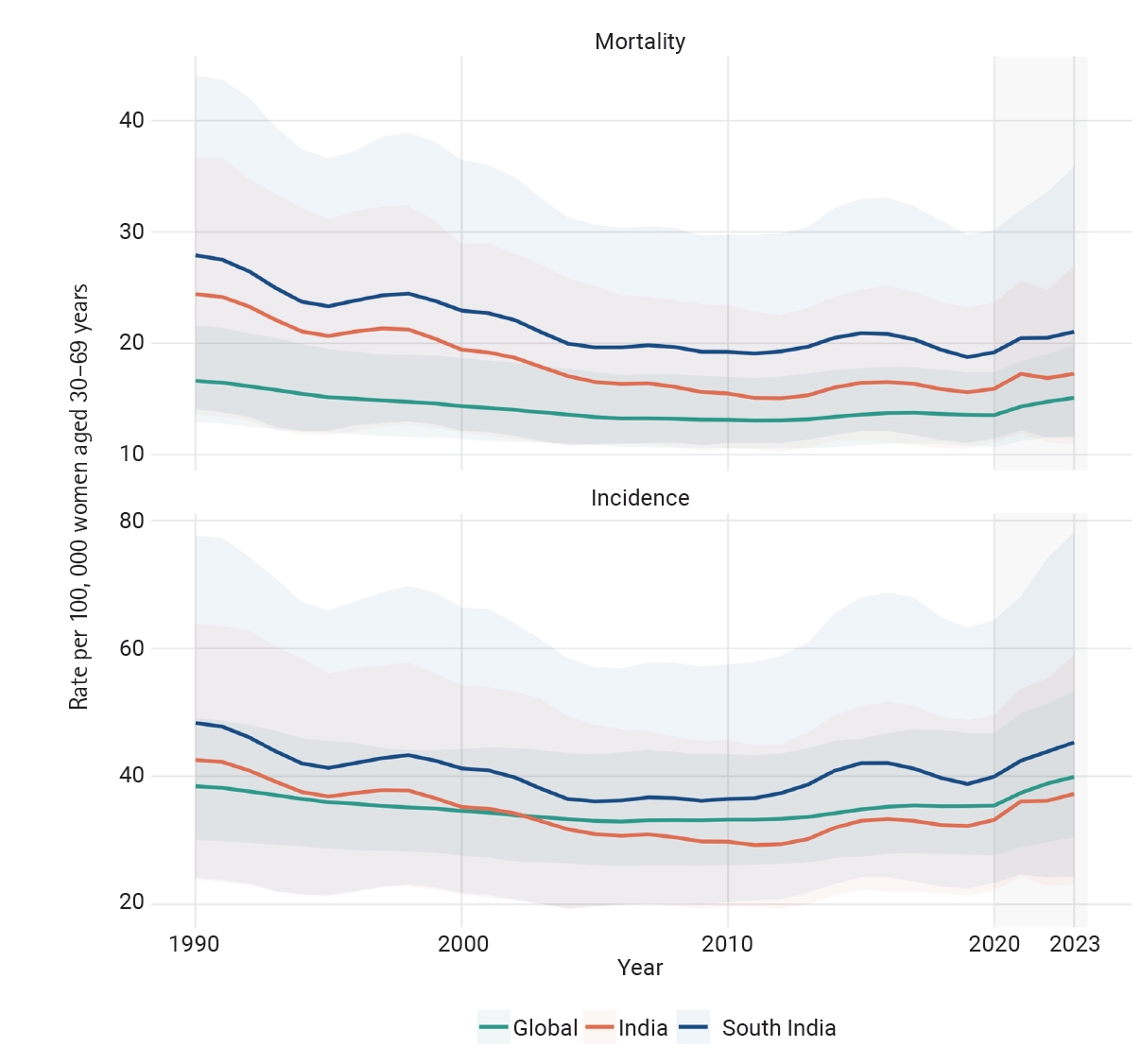
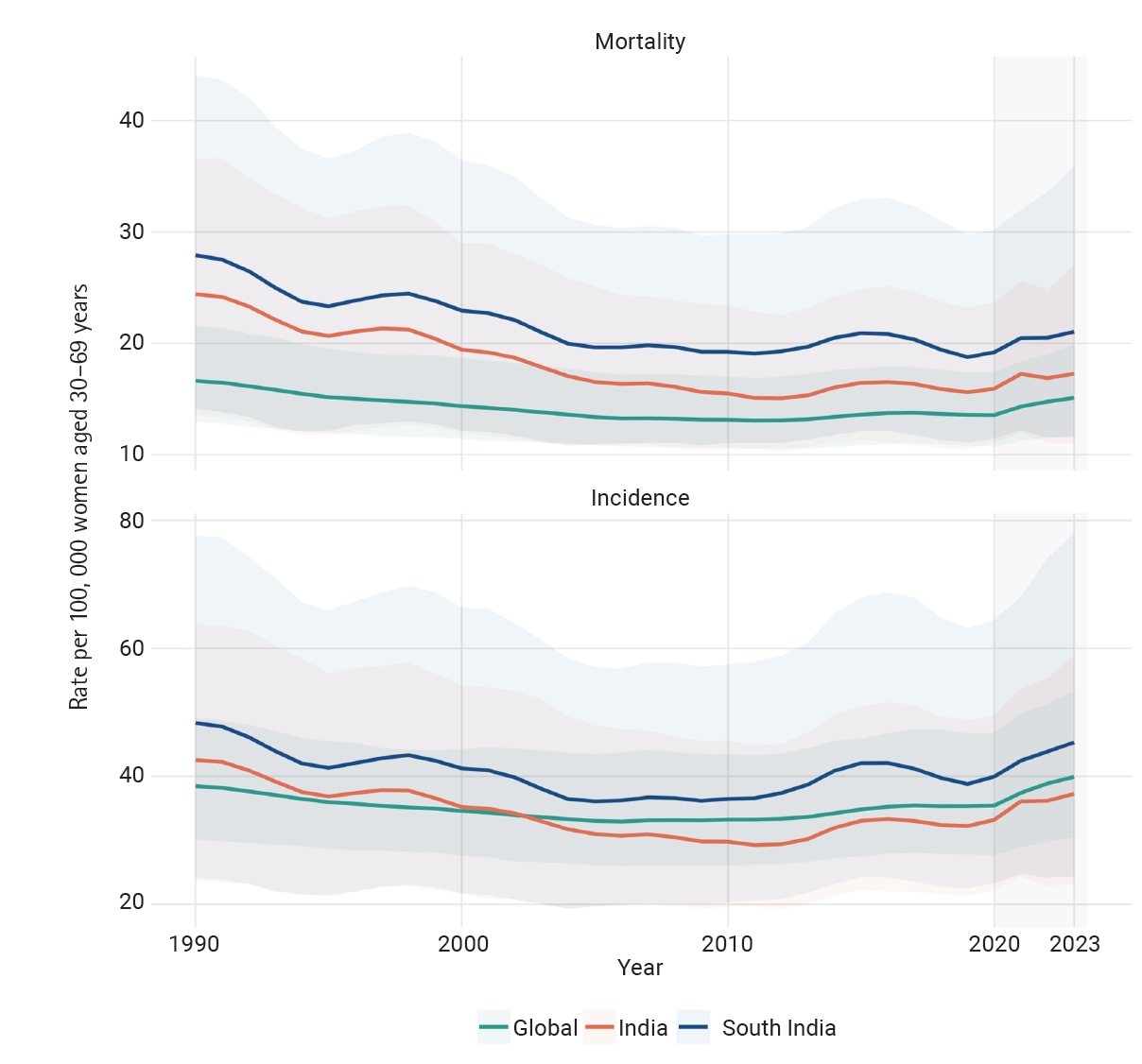
From 1990 to the early 2010s, South India experienced sustained declines in age-standardized cervical cancer incidence and mortality, broadly paralleling trends observed nationally and globally (
Figure 1). Age-standardized mortality rates declined from approximately 24 per 100,000 women in the early 1990s to approximately 16 per 100,000 women by 2010–2012, whereas age-standardized incidence rates declined from approximately 46 to 33 per 100,000 women over the same period (
Figure 1).
South India had higher age-standardized incidence and mortality rates than India overall and the global average throughout the study period. From the mid-2010s onward, progress stalled and then reversed, with both age-standardized incidence and mortality increasing more sharply in South India than in India overall or globally. By 2023, South India showed a clear rebound in age-standardized incidence and mortality rates, widening the regional disparity (
Figure 1).
Pre-Pandemic Trends and State-Level Heterogeneity (2012–2019)
Analysis of pre-pandemic trends revealed substantial interstate heterogeneity within South India. Between 2012 and 2019, Kerala, Tamil Nadu, and Karnataka had declining EAPCs in both incidence and mortality, whereas Andhra Pradesh and Telangana showed increasing trends, particularly for incidence (
Table 3).
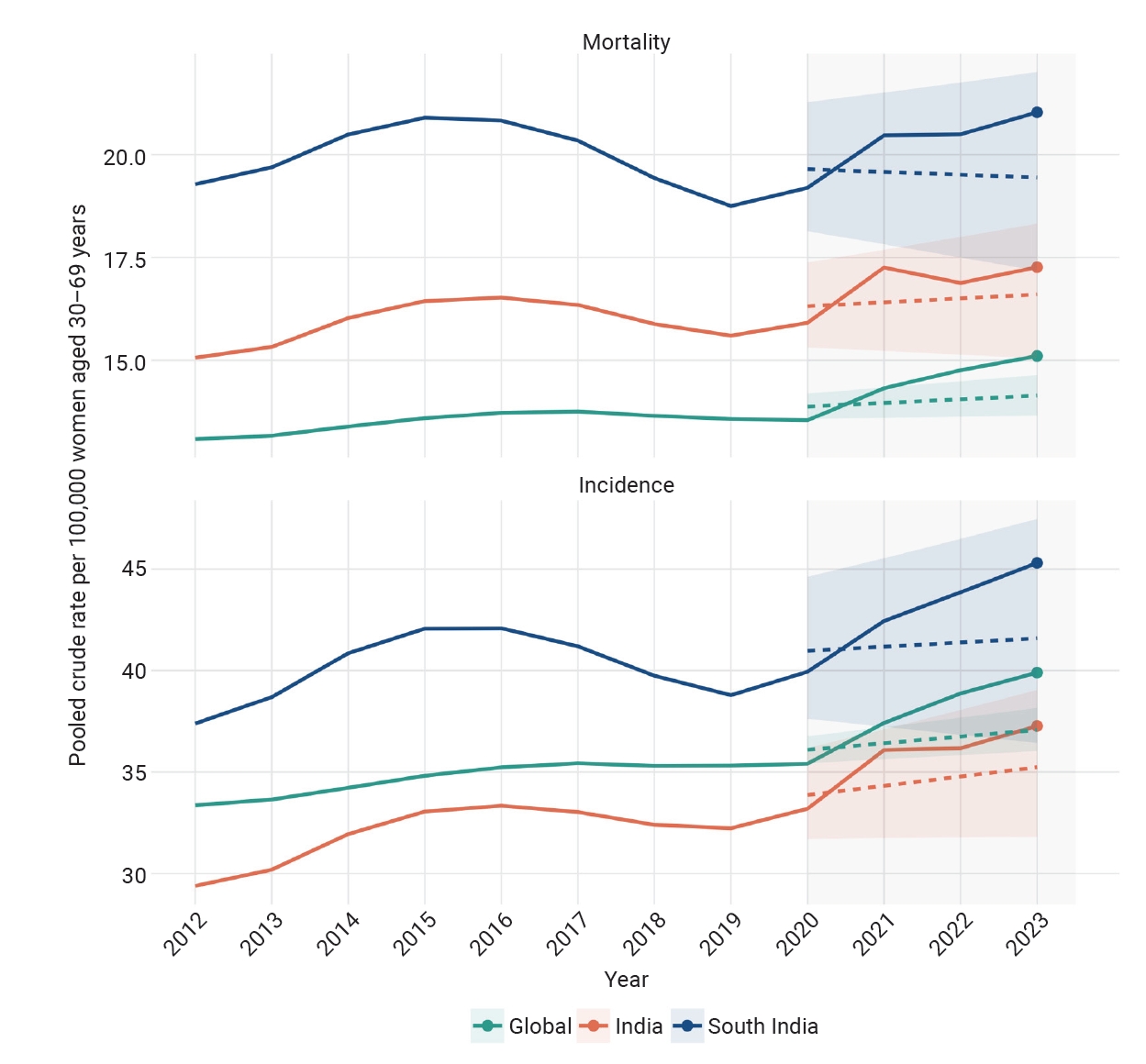
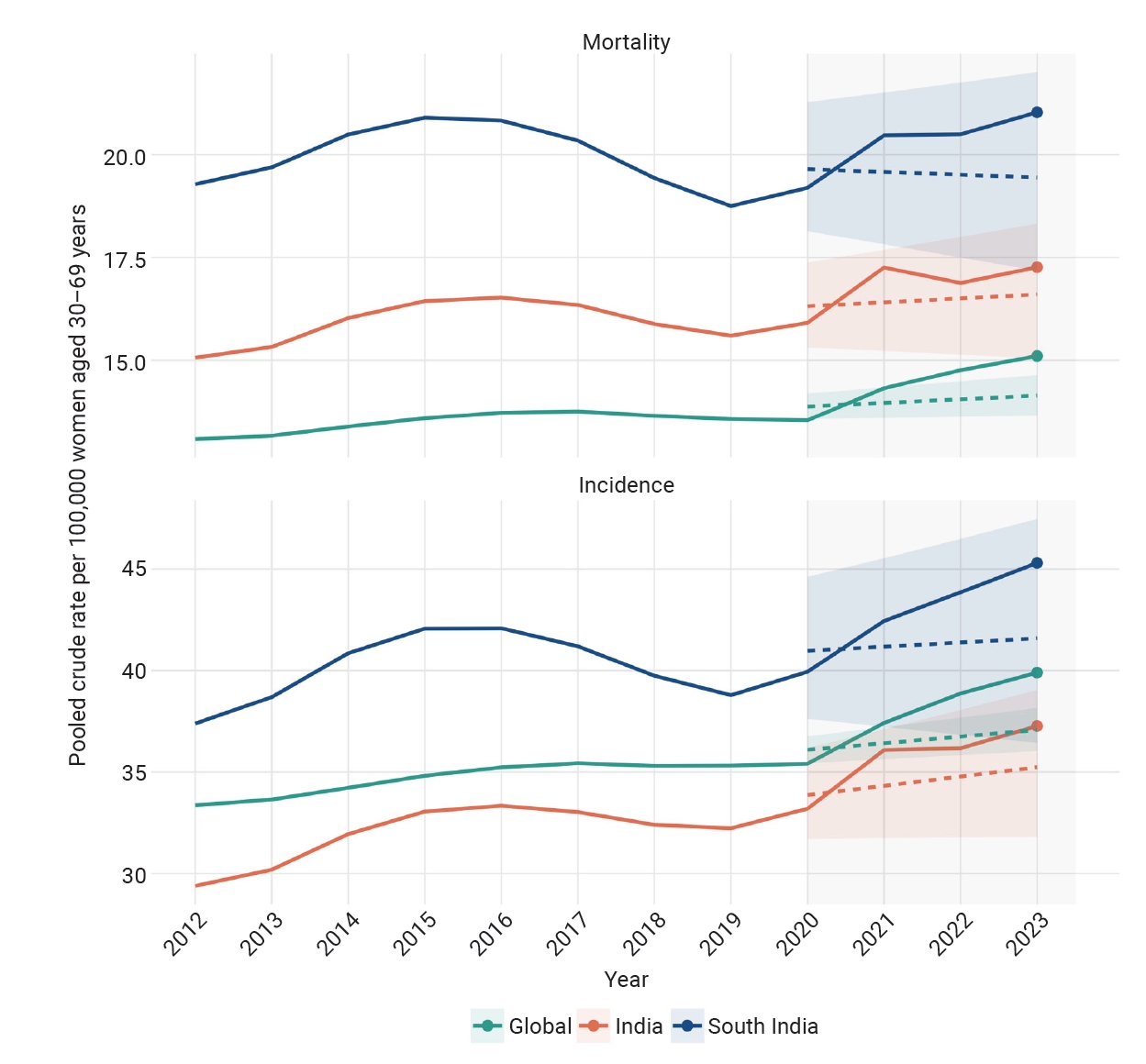
These divergent trajectories were reflected in the regional aggregate trends and suggest unequal progress in cervical cancer control before the COVID-19 pandemic. In contrast, estimates for India overall and globally showed modest but consistent increases in incidence during the same period (
Table 3;
Figure 2).
Counterfactual Analyses and Post-Pandemic Deviations
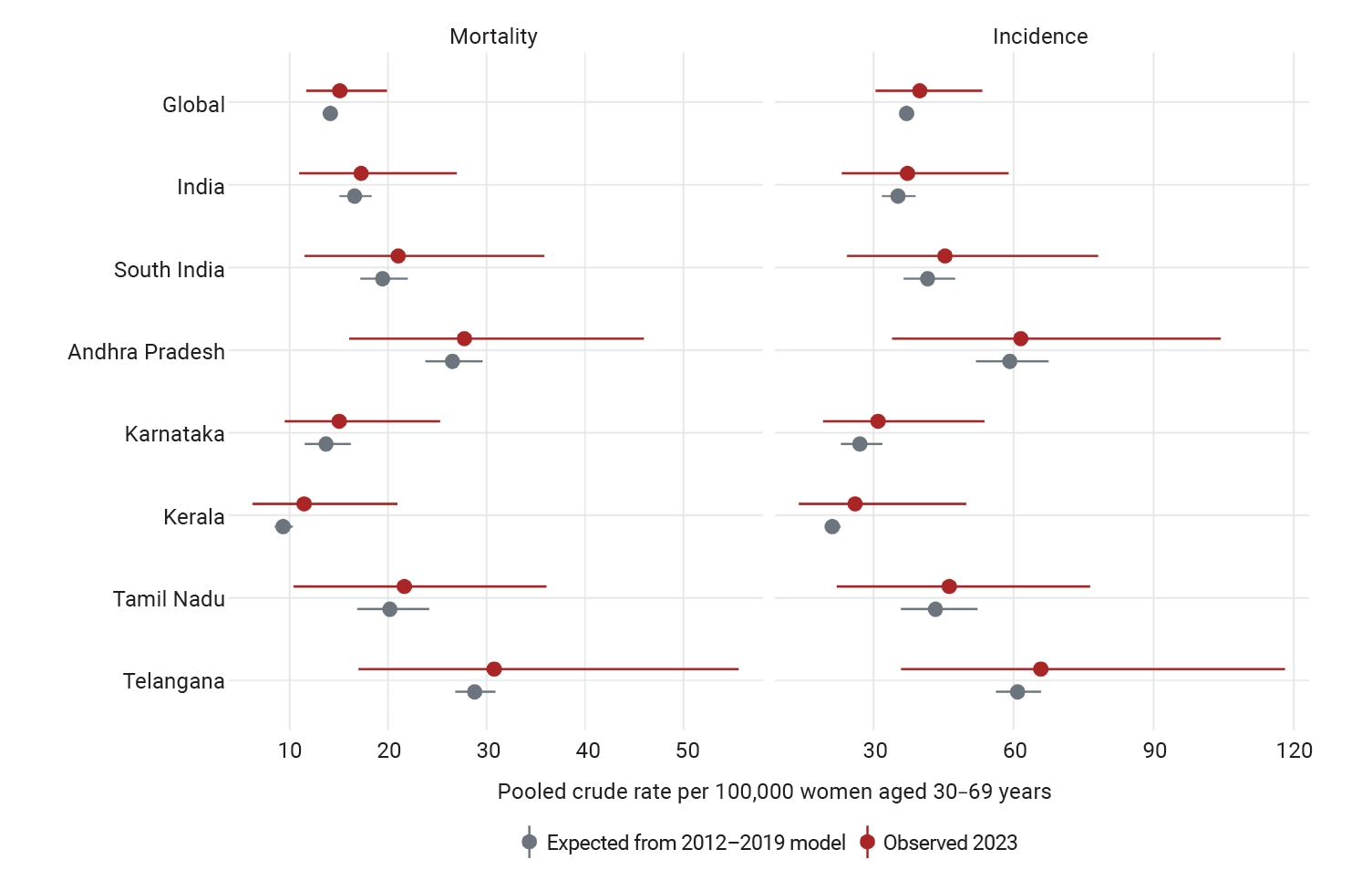
Counterfactual projections based on pre-pandemic trends indicated that observed cervical cancer incidence and mortality in 2023 exceeded expected values across all South Indian states and at the national and global levels (
Table 4).
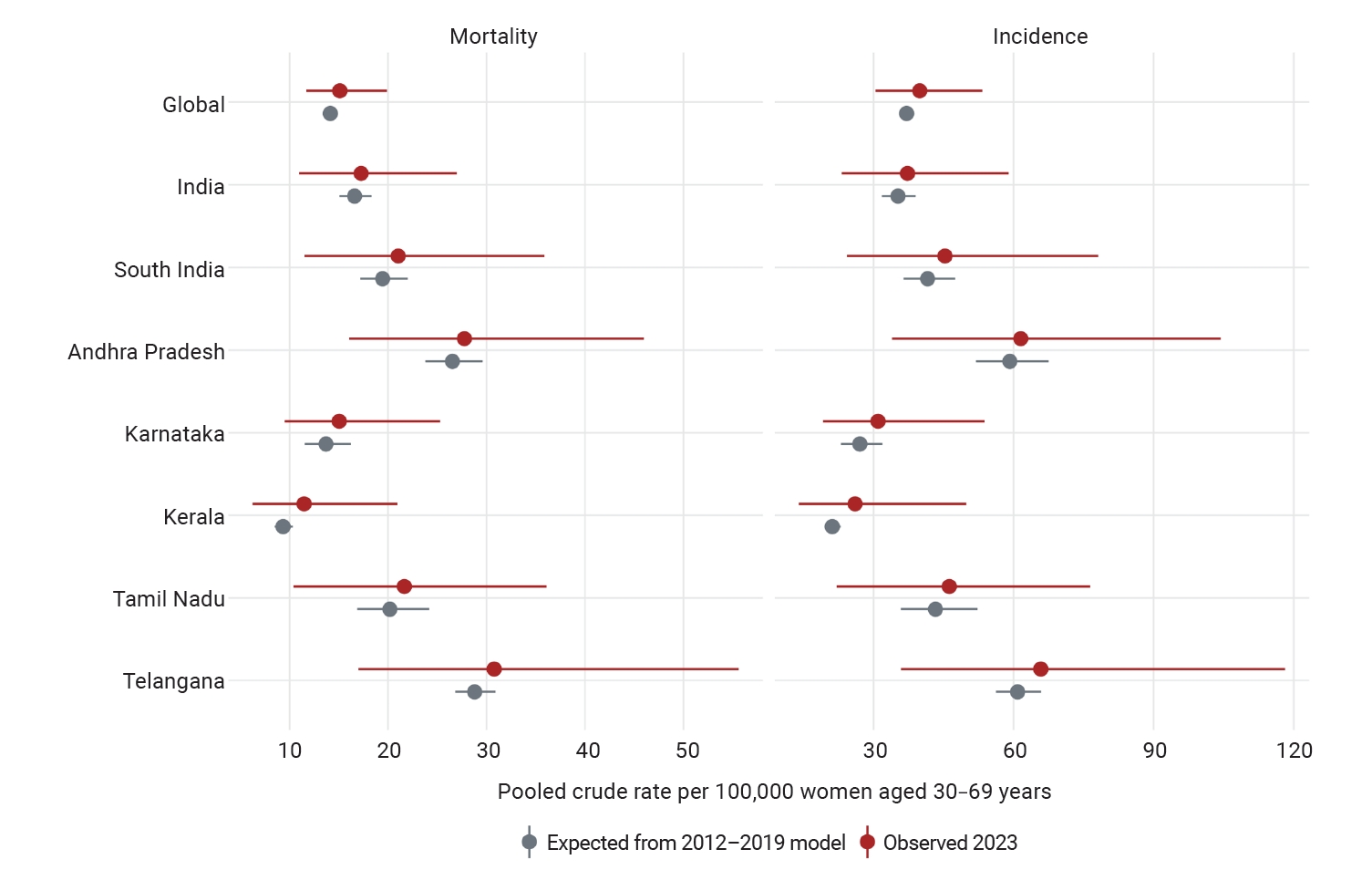
Relative excesses were particularly pronounced in Kerala and Karnataka, where observed mortality and incidence were more than 20% higher than projected, despite previously declining trends. However, the approximate uncertainty envelope around each observed-minus-expected difference included zero for all 16 location-by-measure combinations examined, including global, India, South India, and the 5 individual states for both incidence and mortality (
Table 4). Therefore, none of these apparent excesses were statistically distinguishable from no deviation under this approximation. These findings should be interpreted as suggestive of possible post-pandemic deviation rather than as evidence of demonstrated excess burden.
Graphical comparison of observed and expected trajectories showed divergence beginning around 2020, coinciding with the COVID-19 pandemic period (
Figure 2). Post-pandemic analyses also showed sharper increases in age-standardized mortality (
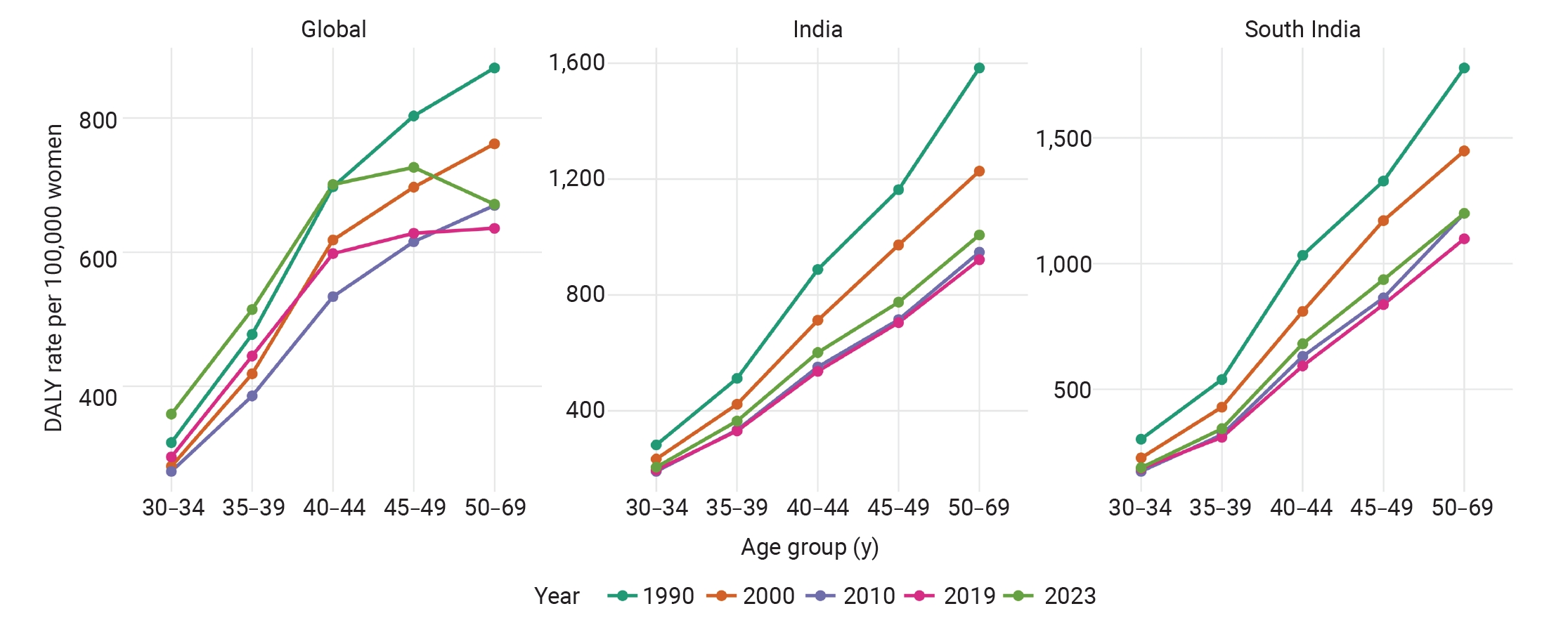
Figure 1) and DALY rates (
Figure 5) in South India than in India overall or globally. However, as noted above, the observed-minus-expected uncertainty envelope for 2023 included zero for every location and measure examined (
Figure 3;
Table 4); therefore, this apparent regional difference should be interpreted as suggestive rather than statistically demonstrated.
Age-Stratified and Geographic Patterns of DALY Burden
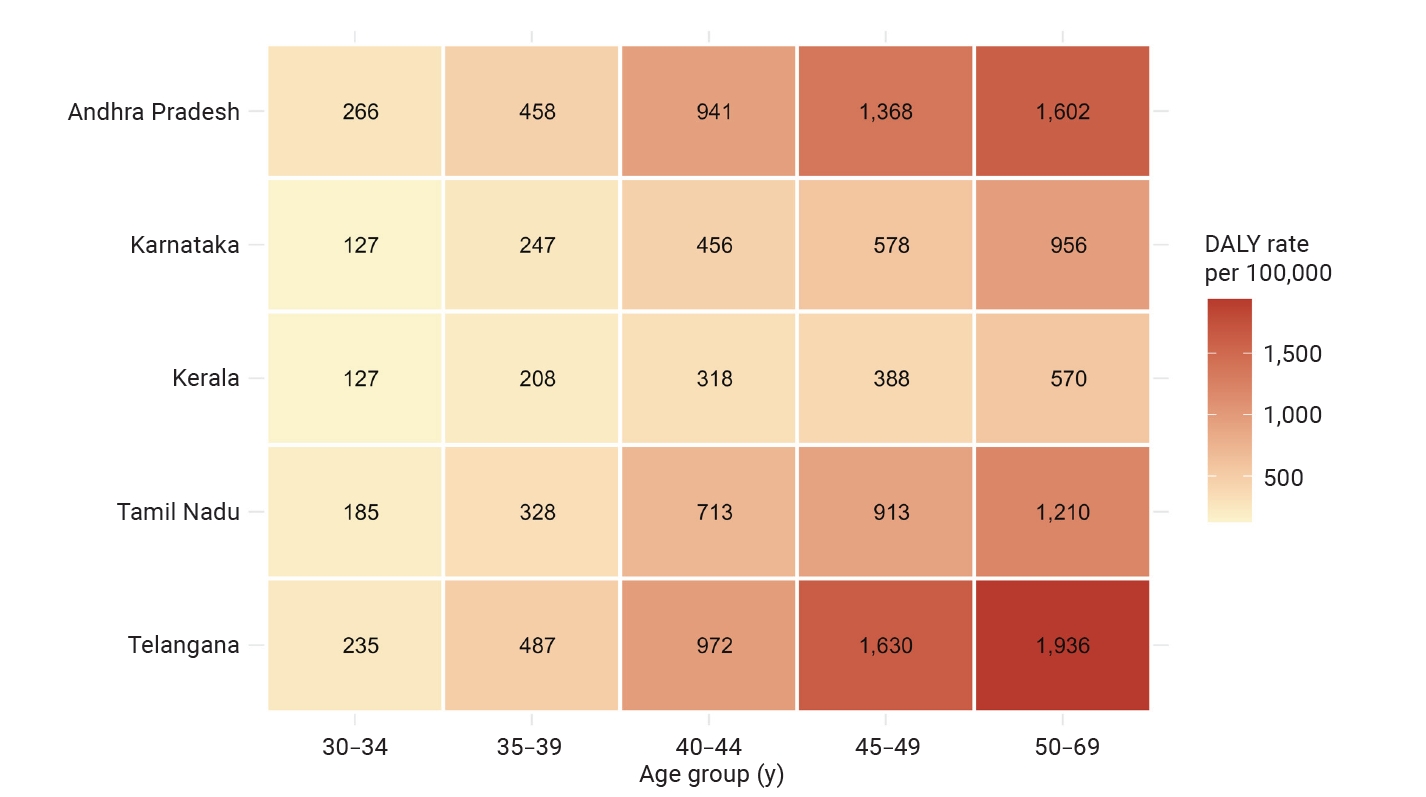
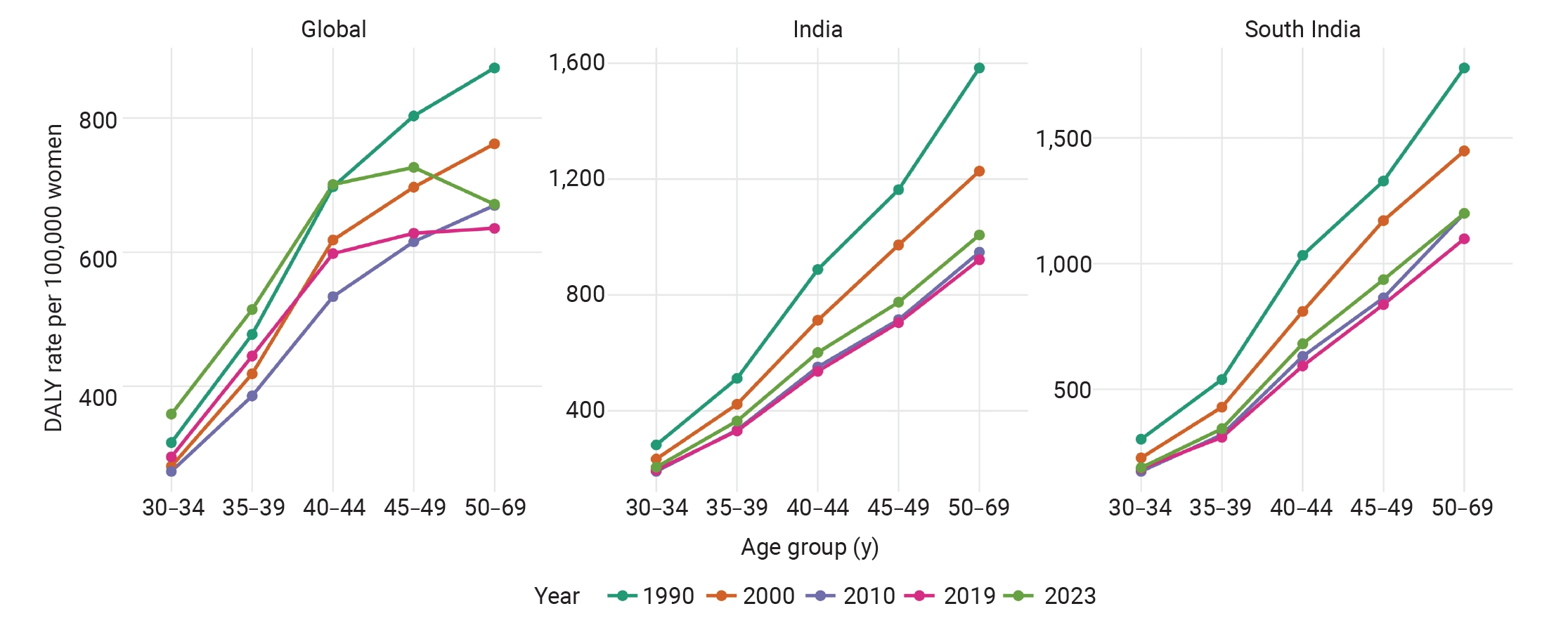
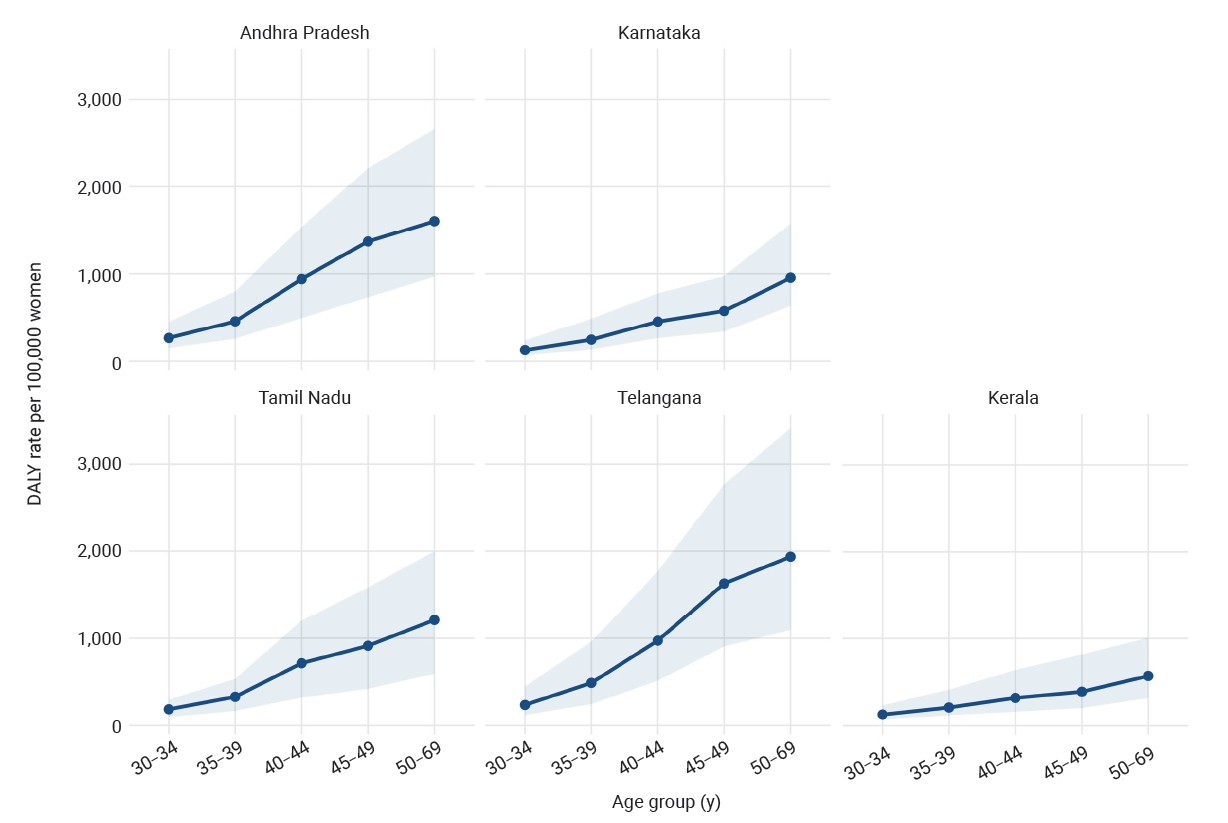
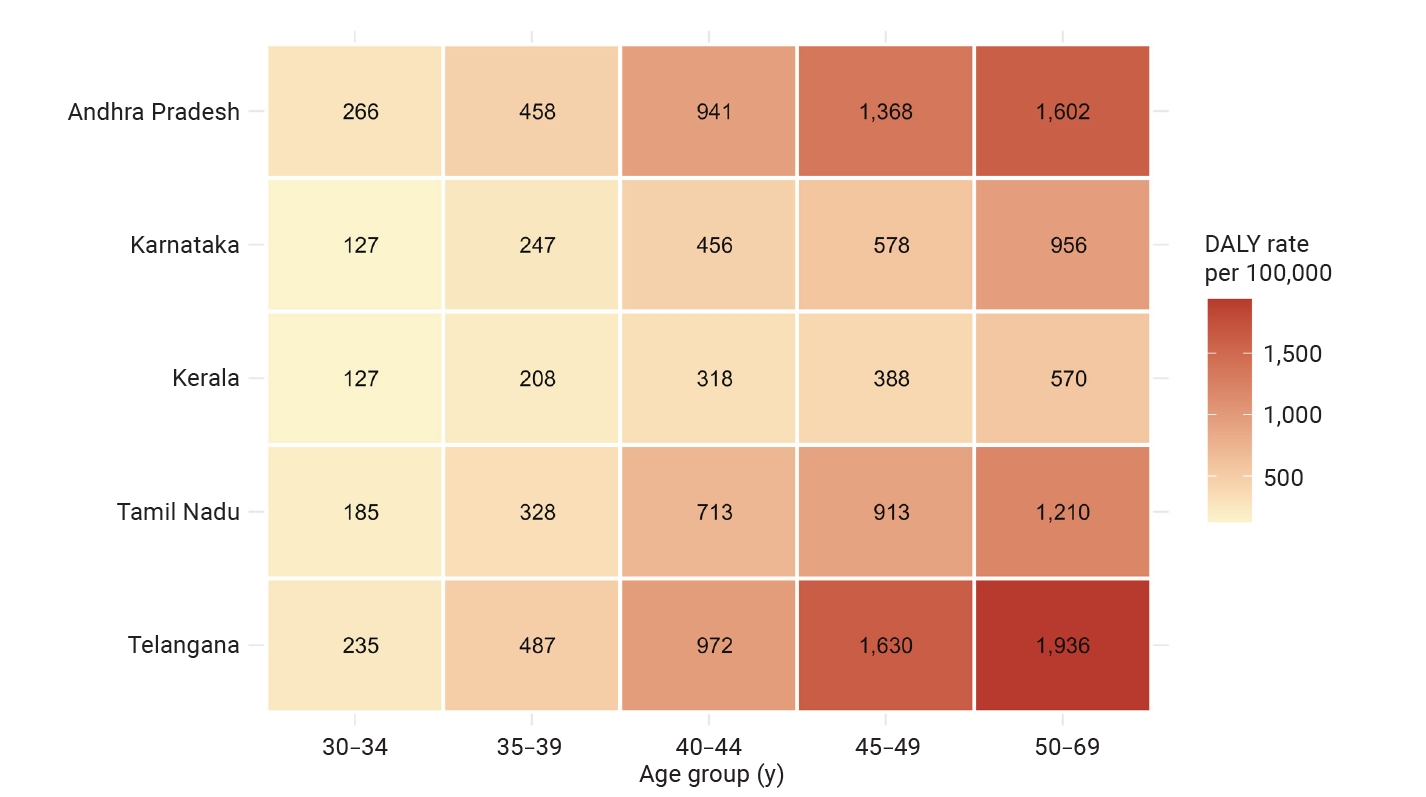
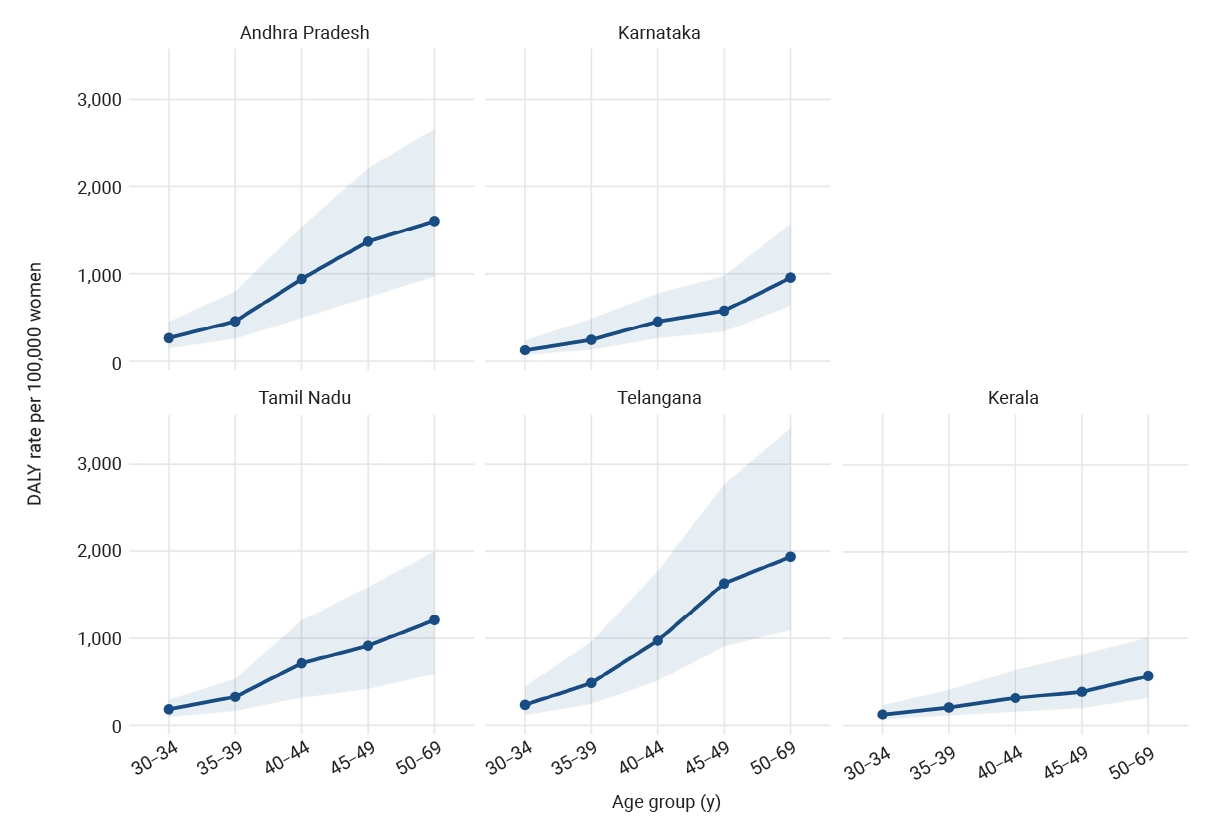
DALY analyses revealed a strong age gradient in cervical cancer burden across all settings. In 2023, DALY rates increased progressively with age and peaked among women aged 50–69 years (
Figures 5,
6). Although DALY rates declined across most age groups between 1990 and 2010, this decline plateaued or partially reversed by 2023, particularly in South India (
Figure 5).
Geographic mapping showed substantial subnational heterogeneity in DALY burden within South India. Higher DALY rates were concentrated in specific states and were most pronounced in older age groups, whereas women aged 30–39 years had comparatively lower burden (
Figure 4). These patterns are consistent with the observed state-level differences in incidence and mortality rates (
Tables 1,
2).
WHO Elimination Benchmarking
When assessed using ASRs among women aged 30–69 years (
Table 2), all South Indian states remained well above the WHO cervical cancer elimination threshold of ≤4 incident cases per 100,000 woman-years in 2023. Because these ASRs were calculated for women aged 30–69 years rather than the all-age population to which the WHO indicator is conventionally applied, this comparison should be interpreted as an approximation across a wider age range rather than a direct replication of the WHO metric. Kerala had the lowest incidence rate, at 26.05 per 100,000 women, which exceeded the threshold by more than 6-fold; Telangana had the highest rate, at 65.83 per 100,000 women, exceeding the threshold by more than 16-fold. These findings are consistent with South India, along with India overall, remaining off track for cervical cancer elimination without accelerated scale-up of vaccination, screening, and treatment services.
Discussion
This study provides a comprehensive assessment of long-term trends, possible pandemic-related deviations, and age- and state-specific patterns of cervical cancer burden in South India using GBD 2023 estimates. The findings show that although South India experienced substantial declines in cervical cancer incidence, mortality, and DALYs from 1990 to the early 2010s, this progress has stalled and partially reversed in recent years. By 2023, South India had persistently higher age-standardized incidence and mortality rates than national and global averages, with all states remaining far above the WHO elimination threshold [
32]. Counterfactual analyses suggested that the observed 2023 burden was higher than expected based on pre-pandemic trends, although these differences were not statistically distinguishable from zero under the approximate uncertainty envelope used in this analysis (see Methods, Uncertainty Analysis, and
Table 4). These findings are therefore consistent with, but do not establish, a post-pandemic deviation from the underlying trajectory. The burden was highly concentrated among women aged 50–69 years, with marked subnational heterogeneity across states.
The long-term declines observed until the early 2010s are consistent with prior evidence attributing reductions in cervical cancer burden in India to gradual improvements in awareness, opportunistic screening, and treatment access [
34,
35]. However, the subsequent stagnation and reversal identified in this analysis extend earlier findings by showing that South India has not sustained these gains into the most recent decade [
35]. Although global cervical cancer incidence and mortality have continued to decline or have plateaued at lower levels, our findings highlight a widening gap between South India and global benchmarks [
33,
36].
The heterogeneous pre-pandemic trends across South Indian states align with earlier subnational analyses showing uneven implementation of screening and referral pathways [
37,
38]. States such as Kerala and Tamil Nadu, which previously showed declining trends, nevertheless had a higher observed 2023 burden than expected under counterfactual projections, underscoring the fragility of earlier progress [
35,
39]. The apparent post-2020 divergence observed in South India is consistent with reports of pandemic-related disruptions to preventive services, delayed diagnoses, and interruptions in cancer treatment pathways. However, the counterfactual approach used here quantifies only the magnitude of departure from expected trends and, because it is based on ecological, single-group extrapolation, cannot establish causal attribution to the pandemic [
40,
41].
The observed deviations from counterfactual expectations in 2023 may reflect a combination of delayed screening, reduced diagnostic capacity, and treatment interruptions during and after the COVID-19 pandemic, superimposed on pre-existing gaps in organized cervical cancer control [
42–
44]. However, because this analysis is ecological and the counterfactual model assumes linear continuation of pre-pandemic trends, these deviations cannot be attributed to the pandemic alone. Contemporaneous factors, including stagnation in HPV vaccination rollout, changes in screening participation unrelated to COVID-19, shifts in public health priorities, evolving health care delivery models, and broader economic changes, may also have contributed and cannot be disentangled from pandemic-specific effects within this study design. Although the apparent regional difference in South India relative to national and global patterns was not statistically distinguishable from zero under the uncertainty envelope reported in the Results and
Table 4, it is at least consistent with the possibility that regional health-system resilience and recovery were insufficient to fully offset these combined shocks, rather than reflecting pandemic disruption alone [
45,
46].
The strong age gradient in DALY burden, with concentration among women aged 50–69 years, has important implications for prevention and care strategies [
47,
48]. Although HPV vaccination is critical for long-term cervical cancer prevention, its effect on the current disease burden will be limited in older cohorts, who remain dependent on screening and early treatment strategies [
49,
50]. These findings underscore the continued importance of effective screening, timely diagnosis, and uninterrupted treatment services for middle-aged and older women [
23,
51]. Substantial subnational heterogeneity further indicates that state-specific strategies, rather than uniform national approaches alone, may be required to accelerate progress [
35,
52]. Differences in the quality, coverage, and maturity of population-based cancer registries across South Indian states may also contribute to the observed subnational heterogeneity independently of true differences in underlying disease burden and should be considered when interpreting state-level comparisons [
16].
Benchmarking against WHO elimination targets indicates that all South Indian states remain off track, with age-standardized incidence rates exceeding the elimination threshold by several-fold [
32]. Cervical cancer elimination is unlikely to be achieved within the WHO target timelines without rapid scale-up of vaccination coverage, transition from opportunistic hospital-based screening to organized population-based programs incorporating high-performance HPV DNA testing, and strengthening of treatment pathways, particularly in states identified as off track. HPV DNA testing has higher sensitivity than conventional cytology and is the primary screening modality recommended by WHO [
32,
48,
52].
This study has several strengths. It used the most recent GBD 2023 estimates, enabling consistent comparisons across time, geography, and age groups. The integration of long-term trends, counterfactual analyses, and age-stratified DALY assessments provides a comprehensive picture of cervical cancer burden and its recent deviations. Benchmarking age-standardized incidence rates against the WHO elimination threshold further strengthens the policy relevance of the analysis (
Table 2) [
32].
However, several limitations should be acknowledged. GBD estimates rely on modelling and data synthesis and may be affected by gaps in cancer registry coverage, underreporting, and misclassification, particularly at the subnational level [
29]. Counterfactual projections assume continuation of pre-pandemic trends and cannot fully disentangle pandemic effects from other contemporaneous changes in risk factors or health systems. The ecological nature of the analysis also precludes attribution of observed trends to specific interventions or disruptions. UIs for the derived quantities in
Tables 3 and
4, including EAPC, expected 2023 rates, and absolute and percentage differences, were not formally propagated in the present analysis; this limitation should be addressed in future updates using the full distribution of GBD posterior draws. Alternative pre-pandemic baseline periods and joinpoint or segmented regression were also not used to test the robustness of the counterfactual approach; such sensitivity analyses are recommended for future work.