Objectives This study examined the association between lifestyle inflammation score (LIS) and health-related quality of life, assessed using the EuroQol-5 Dimensions (EQ-5D) index, among adults in the Republic of Korea. It also evaluated whether depressive symptoms moderated this association. Methods: Data from the 2024 Community Health Survey were analyzed, and 231,386 adults were included. LIS was calculated by integrating smoking, alcohol consumption, physical activity, and body mass index. The dependent variable, quality of life, was assessed using the EQ-5D index. Depressive symptoms, the moderator variable, were assessed using the Patient Health Questionnaire-9, with a score of ≥10 indicating depressive symptoms. Data were analyzed using complex-sample multivariable linear regression to examine interaction effects according to depressive symptom status, followed by simple-slope analyses. Results: After adjustment for demographic and health-related variables, LIS was significantly and negatively associated with the EQ-5D index (β= –0.0069, p< 0.001), indicating that higher levels of inflammation-related lifestyle behaviors were associated with poorer quality of life. Depressive symptoms significantly moderated the association between LIS and the EQ5D index (β= –0.01727, p< 0.001). Simple-slope analyses showed that the adverse association between LIS and quality of life was stronger among individuals with depressive symptoms (β= –0.02349) than among those without depressive symptoms (β= –0.00621). Conclusion: Inflammation-related lifestyle behaviors were associated with reduced quality of life, and this negative association was stronger among individuals with depressive symptoms. These findings suggest that considering both lifestyle-related inflammatory burden and depressive symptoms may help explain population-level differences in quality of life.
Objectives
This study aimed to validate the psychometric properties of the recently developed knowledge, attitudes, and perceptions questionnaire for community-based surveillance of infectious diseases (KAP-CBS-ID questionnaire), using confirmatory factor analysis (CFA) and item response theory (IRT).
Methods
A cross-sectional study using multistage sampling recruited 470 schoolteachers from Kelantan, Malaysia. The self-administered KAP-CBS-ID questionnaire consists of 3 domains: knowledge (31 items), attitudes (23 items), and perceptions (21-items). Two-parameter logistic (2-PL) IRT analysis and CFA were performed to validate the knowledge section. For attitudes and perceptions sections, CFA proceeded using a 4-factor model to evaluate both model fit and construct validity.
Results
Two-PL IRT analysis of the knowledge section resulted in elimination of 14 items due to inadequate discrimination or difficulty parameters. The 3-factor CFA model demonstrated good fit indices for knowledge (root mean square error of approximation [RMSEA], 0.028; comparative fit index [CFI], 0.945; Tucker-Lewis index [TLI], 0.941) without any modifications. The attitudes section required re-specification, ultimately yielding 21 items across 4 factors with acceptable fit indices (standardized root mean square residual [SRMR], 0.067; RMSEA, 0.055; CFI, 0.937; TLI, 0.927). Similarly, the perceptions section was refined to 17 items across 4 factors, showing good model fit (SRMR, 0.055; RMSEA, 0.059; CFI, 0.962; TLI, 0.954). Factor loadings ranged from 0.33 to 0.98, while Raykov’s rho reliability estimates ranged from 0.71 to 0.93. Factor determinacy exceeded 80% for all factors.
Conclusion
The KAP-CBS-ID is a valid and reliable instrument for assessing community representatives’ knowledge, attitudes, and perceptions regarding community-based surveillance of infectious diseases.
Citations
Citations to this article as recorded by
Modeling social and behavioral factors associated with community participation in community-based surveillance of communicable diseases: a cross-sectional study in Kelantan, Malaysia Ahmed Azeez Hasan, Anis Kausar Ghazali, Norsa’adah Bachok, Najib Majdi Yaacob, Suhaily Mohd Hairon, Nur Amira Mohd Nadir, Fatimah Muhd Shukri Osong Public Health and Research Perspectives.2026; 17(3): 229. CrossRef
Objectives This study aimed to describe and compare health-related quality of life (QoL) as measured by the World Health Organization Quality of Life–BREF (WHOQoL-BREF) and the EuroQol-5 Dimensions (EQ-5D) among the Malaysian population, examining differences by sociodemographic characteristics including age, income, sex, ethnicity, educational level, and occupation. Methods: This cross-sectional study used data from 19,402 individuals collected as part of a health and demographic surveillance system survey conducted in the Segamat district of Malaysia in 2018–2019. Descriptive statistics and measures of central tendency were produced. Differences in QoL among demographic sub-groups were examined using the t-test and analysis of variance, while the correlations between the WHOQoL-BREF and EQ-5D were evaluated using Pearson correlation coefficients. Results: Based on complete case analysis (n=19,129), the average scores for the 4 WHOQoLBREF domains were 28.2 (physical), 24.1 (psychological), 12.0 (social relationships), and 30.4 (environment). The percentages of participants not in full health for each EQ-5D dimension were 12.8% (mobility), 3.1% (self-care), 6.9% (usual activities), 20.9% (pain/discomfort), and 6.8% (anxiety/depression). Correlations between the 4 WHOQoL-BREF domains and the 5 EQ-5D dimensions were relatively weak, ranging from –0.06 (social relationships with self-care and pain/discomfort; p<0.001) to –0.42 (physical with mobility; p<0.001). Conclusion: Although health-related QoL as measured by the WHOQoL-BREF and the EQ-5D are correlated, these 2 measures should not be considered interchangeable. The choice between them should be guided by the specific research questions and the intended use of the data.
Citations
Citations to this article as recorded by
Promoting mental health among at-risk adolescents in Malaysia (MyHeRo): study protocol for a cluster randomised controlled trial to evaluate the effectiveness and cost-effectiveness of a school-based intervention compared with study skills condition for a Cecilia A. Essau, Suwaibah Zakaria, Chuong Hock Ting, Julia Ai Cheng Lee, Alejandro de la Torre-Luque, Alvin Lai Oon Ng, Hazreen Abdul Majid, Helen Dodd, Nik Daliana Nik Farid, Noor Azimah Muhammad, Suzaily Wahab Trials.2026;[Epub] CrossRef
Sociodemographic, lifestyle and health factors associated with psychological health among adults in Malaysia: An ethnic comparison Yong Kang Cheah, Hamimatunnisa Johar, Tin Tin Su Archives of Psychiatric Nursing.2026; 61: 152081. CrossRef
Validating cancer-specific and generic quality of life (QoL) instruments among patients with head and neck cancers: incorporating the European Organization for Research and Treatment of Cancer Quality of Life Questionnaire-Head and Neck Module with generi Mohsen Saffari, Tzu-Yen Chang, Musheer A. Aljaberi, Kah Ying Yap, An-Chi Li, Jung-Sheng Chen, Shi-Qing Wang, Mark D. Griffiths, Chung-Ying Lin Psicologia: Reflexão e Crítica.2026;[Epub] CrossRef
AVALIAÇÃO INTEGRADA DO PERFIL SOCIODEMOGRÁFICO, ESTADO NUTRICIONAL, APTIDÃO FÍSICA E QUALIDADE DE VIDA DE IDOSOS ACOMPANHADOS NA ATENÇÃO PRIMÁRIA À SAÚDE Gustavo Bonfim Rocha, Luzia Vitória Sousa Brito, Maria Francidenes de Souza Melo, Edney Souto Pinto, Kathleen Nascimento Carvalho da Silva , Maryanne Marques de Sousa, Pedro Cicero de Sousa, Layza Karyne Farias Mendes, Aldaisa Pereira Lopes , Victor RECIMA21 - Revista Científica Multidisciplinar - .2026; 7(8): e788688. CrossRef
A comparative analysis of structural equation modeling and traditional regression analysis in investigating factors affecting health-related quality of life in general Thai population Krittaphas Kangwanrattanakul, Apinya Ingard Health and Quality of Life Outcomes.2025;[Epub] CrossRef
Objectives This study aimed to examine the scale, characteristics, risk factors, and modes of transmission in a coronavirus disease 2019 (COVID-19) outbreak at a high school in Seoul, Republic of Korea.
Methods An epidemiological survey was conducted of 1,118 confirmed cases and close contacts from a COVID-19 outbreak at an educational facility starting on May 31, 2021. In-depth interviews, online questionnaires, flow evaluations, and CCTV analyses were used to devise infection prevention measures. Behavioral and spatial risk factors were identified, and statistical significance was tested.
Results Among 3rd-year students, there were 33 confirmed COVID-19 cases (9.6%). Students who used a study room in the annex building showed a statistically significant 4.3-fold elevation in their relative risk for infection compared to those who did not use the study room. Moreover, CCTV facial recognition analysis confirmed that 17.8% of 3rd-year students did not wear masks and had the lowest percentage of mask-wearers by grade. The air epidemiological survey conducted in the study room in the annex, which met the 3 criteria for a closed space, confirmed that there was only 10% natural ventilation due to the poor ventilation system.
Conclusion To prevent and manage the spread of COVID-19 in educational facilities, advance measures that consider the size, operation, and resources of each school are crucial. In addition, various survey methodologies should be used in future studies to quickly analyze a wider range of data that can inform an evidence-based quarantine response.
Citations
Citations to this article as recorded by
Detection of a cluster of Omicron's BA.4 sublineage in Northern Senegal and identification of the first XAS recombinant variant in Senegal Martin Faye, Modeste Name Faye, Babacar Ndiaye, Moussa Moïse Diagne, Safietou Sankhe, Ndeye Marième Top, Amadou Diallo, Cheikh Loucoubar, Ndongo Dia, Amadou Alpha Sall, Ousmane Faye Virus Research.2024; 339: 199259. CrossRef
Objectives The coronavirus disease 2019 (COVID-19) pandemic has set a precedent for the fastest-produced vaccine as a result of global collaboration and outreach. This study explored Malaysians’ acceptance of the COVID-19 vaccine and its associated factors.
Methods A cross-sectional anonymous web-based survey was disseminated to Malaysian adults aged ≥18 years old via social media platforms between July 10, 2020 and August 31, 2020.
Results In the analysis of 4,164 complete responses, 93.2% of participants indicated that they would accept the COVID-19 vaccine if it was offered for free by the Malaysian government. The median out-of-pocket cost that participants were willing to pay for a COVID-19 vaccine was Malaysian ringgit (MYR) 100 (interquartile range [IQR], 100) if it was readily available and MYR 150 (IQR, 200) if the supply was limited. Respondents with a low likelihood of vaccine hesitancy had 13 times higher odds of accepting the COVID-19 vaccine (95% confidence interval [CI], 8.69 to 19.13). High perceived risk and severity were also associated with willingness to be vaccinated, with adjusted odds ratios of 2.22 (95% CI, 1.44 to 3.41) and 2.76 (95% CI, 1.87 to 4.09), respectively. Age and ethnicity were the only independent demographic characteristics that predicted vaccine uptake.
Conclusion Public health strategies targeting perceived risk, perceived susceptibility and vaccine hesitancy could be effective in enhancing vaccine uptake.
Citations
Citations to this article as recorded by
Longitudinal Analysis of Antibody Dynamics in Post-COVID-19 Patients following CoronaVac-Based Hybrid Immunity Akmal Shukri Amir Muhaimin, Muhammad Amin Ibrahim, Mohammed Fauzi Abdul Rani, Mariam Mohamad, Seok Mui Wang, Ariza Adnan, Madyhah Abd. Monir, Fatmawati Kamal, Siti Farah Alwani Mohd Nawi Journal of Pure and Applied Microbiology.2026; 20(2): 1278. CrossRef
Impact of confidence in scientific community, manufacturers, and regulatory authorities on acceptance of locally manufactured mRNA vaccines Li Ping Wong, Haridah Alias, Hai Yen Lee Vaccine.2026; 88: 128792. CrossRef
Factors Affecting Reluctance to Malaysian Adults’ COVID-19 Vaccine Booster Doses Nadhiah Abd Rahman, Hemaloshinee Vasudevan, Heinko Dona Madon, Noorseha Ayob Buletin Ilmu Kebidanan dan Keperawatan.2026; 5(02): 116. CrossRef
Does the messenger make the difference? Perceived reliability of health information sources during the COVID-19 pandemic in multi-ethnic Malaysia Nicholas Yee Liang Hing, Yew Kong Lee, Hyung Joon Kim, Nurhyikmah M. Lothfi, Elizabeth Wong, Joan Costa-Font, Theingi Maung Maung PLOS Global Public Health.2026; 6(10): e0007397. CrossRef
From infodemic to resilience: Exploring COVID‐19 protective measures in armed‐conflict zone Mona Salim, Jiuchang Wei Risk Analysis.2025; 45(6): 1453. CrossRef
Development and validation of COVID-19 vaccination perception (CoVaP) instrument among healthcare workers in Malaysia Siti Nur Aisyah Zaid, Azidah Abdul Kadir, Mohd Noor Norhayati, Basaruddin Ahmad, Muhamad Saiful Bahri Yusoff, Anis Safura Ramli, Jasy Suet Yan Liew PeerJ.2025; 13: e19318. CrossRef
Assessing the Determinants of Influenza Vaccine Uptake in Malaysia: Strategies to Improve Public Health and Service Delivery Prebha Manickam, Tina Varghese, Suwarna Senthilvasan, Rubithra Ramesh, Suveitra Balanei Balasubramaniam Cureus.2025;[Epub] CrossRef
Enablers and Barriers of COVID-19 Vaccination in the Philippines Evalyn Roxas, Paulyn Jean Acacio-Claro, Maria Margarita Lota, Alvin Abeleda, Soledad Natalia Dalisay, Madilene Landicho, Yoshiki Fujimori, Jan Zarlyn Rosuello, Jessica Kaufman, Margaret Danchin, Vicente Belizario, Florian Vogt Vaccines.2025; 13(7): 719. CrossRef
Assessment of Allergic Reaction of Covid-19 Vaccination among Malaysian Adults: A Cross-sectional Study Abdah Md Akim, Nurhazwani Abd Rauf, Yazan Ranneh, Gul-e-Saba Chaudhry Malaysian Journal of Medicine and Health Sciences.2025;[Epub] CrossRef
Awareness, knowledge, disease prevention practices, and immunization attitude of hepatitis E virus among food handlers in Klang Valley, Malaysia Sakshaleni Rajendiran, Wong Li Ping, Yuvaneswary Veloo, Syahidiah Syed Abu Thahir Human Vaccines & Immunotherapeutics.2024;[Epub] CrossRef
Acceptability of COVID-19 booster vaccine in malaysia: a cross-sectional study Cheryl Minn Jee Khoo, Eve Zhi Qing Dea, Li Yeow Law, Sharon Siew Tong Wong, Khuen Yen Ng, Athirah Bakhtiar Scientific Reports.2024;[Epub] CrossRef
To Vaccinate or Not? Perceived Benefits and Social Media Exposure as Predictors of COVID-19 Booster Jab Vaccination Practices with Self-Efficacy as Moderator Tak Jie Chan, Pei Xin Chong, Sheh Chin Foo, Yang Tian, Riki Arswendi Journal of Communication, Language and Culture.2024; 4(2): 142. CrossRef
COVID-19 vaccine uptake and its determinants among teenagers and their parents in Zhejiang, China Yu Huang, Qingqing Wu, Shuiyang Xu, Xiang Zhao, Lei Wang, Qiaohong Lv, Suxian Wu, Xuehai Zhang Asian Pacific Journal of Tropical Medicine.2023; 16(4): 176. CrossRef
Factors influencing parents’ hesitancy to vaccinate their children aged 5–11 years old against COVID-19: results from a cross-sectional study in Malaysia Roy Rillera Marzo, Ritankar Chakraborty, Shean Yih Soh, Hui Zhu Thew, Collins Chong, Ching Sin Siau, Khairuddin Bin Abdul Wahab, Indang Ariati Binti Ariffin, Shekhar Chauhan, Ken Brackstone, Bijaya Kumar Padhi, Petra Heidler Frontiers in Public Health.2023;[Epub] CrossRef
A survey on Malaysian’s acceptance and perceptions towards COVID-19 booster dose Suresh Rajakumar, Noorasyikin Shamsuddin, Mohammed Abdullah Alshawsh, Sutha Rajakumar, Hasniza Zaman Huri Saudi Pharmaceutical Journal.2023; 31(11): 101797. CrossRef
Cross-sectional assessment of predictors for COVID-19 vaccine uptake: an online survey in Greece Petros Galanis, Irene Vraka, Olga Siskou, Olympia Konstantakopoulou, Aglaia Katsiroumpa, Ioannis Moisoglou, Daphne Kaitelidou Vacunas.2022; 23: S60. CrossRef
Key predictors of COVID-19 vaccine hesitancy in Malaysia: An integrated framework Jason Wei Jian Ng, Santha Vaithilingam, Mahendhiran Nair, Li-Ann Hwang, Kamarul Imran Musa, Anat Gesser-Edelsburg PLOS ONE.2022; 17(5): e0268926. CrossRef
Intention to receive a COVID-19 vaccine booster dose and associated factors in Malaysia Li Ping Wong, Haridah Alias, Yan-Li Siaw, Mustakiza Muslimin, Lee Lee Lai, Yulan Lin, Zhijian Hu Human Vaccines & Immunotherapeutics.2022;[Epub] CrossRef
Determinants of COVID-19 vaccine acceptance in Ethiopia: A systematic review and meta-analysis Ayenew Mose, Abebaw Wasie, Solomon Shitu, Kassahun Haile, Abebe Timerga, Tamirat Melis, Tadesse Sahle, Amare Zewdie, Dong Keon Yon PLOS ONE.2022; 17(6): e0269273. CrossRef
When do persuasive messages on vaccine safety steer COVID-19 vaccine acceptance and recommendations? Behavioural insights from a randomised controlled experiment in Malaysia Nicholas Yee Liang Hing, Yuan Liang Woon, Yew Kong Lee, Hyung Joon Kim, Nurhyikmah M Lothfi, Elizabeth Wong, Komathi Perialathan, Nor Haryati Ahmad Sanusi, Affendi Isa, Chin Tho Leong, Joan Costa-Font BMJ Global Health.2022; 7(7): e009250. CrossRef
COVID-19 vaccine acceptance rate and its predictors in Ethiopia: A systematic review and meta-analysis Getaneh Mulualem Belay, Tewodros Getaneh Alemu, Masresha Asmare Techane, Chalachew Adugna Wubneh, Nega Tezera Assimamaw, Tadesse Tarik Tamir, Addis Bilal Muhye, Destaye Guadie Kassie, Amare Wondim, Bewuketu Terefe, Bethlehem Tigabu Tarekegn, Mohammed Seid Human Vaccines & Immunotherapeutics.2022;[Epub] CrossRef
Cross-sectional assessment of predictors for COVID-19 vaccine uptake: an online survey in Greece Petros Galanis, Irene Vraka, Olga Siskou, Olympia Konstantakopoulou, Aglaia Katsiroumpa, Ioannis Moisoglou, Daphne Kaitelidou Vacunas (English Edition).2022; 23: S60. CrossRef
<sec>
<title>Objectives</title>
<p>In this study the relationship between neighborhood deprivation and the unmet health care needs of elderly individuals (≥ 65 years) was examined. Some previous studies suggested that neighborhood characteristics affect access to health care, yet research on the unmet needs of older individuals is limited.</p></sec>
<sec>
<title>Methods</title>
<p>Multilevel logistic regression analysis was used to assess the relationship of neighborhood-level factors with unmet health care needs due to costs, adjusting for individual-level factors, in individuals ≥ 65 years in the 2017 Korean Community Health Survey (<italic>n</italic> = 63,388).</p></sec>
<sec>
<title>Results</title>
<p>There were 2.6% of elderly individuals who experienced unmet health care needs due to costs. Following adjustment for individual and neighborhood characteristics, the neighborhood deprivation in urban areas was found to have an inverse association with unmet needs (odds ratio = 0.50; 95% confidence interval = 0.24–1.06) for the most deprived quartile versus the least deprived quartile). However, in rural areas neighborhood deprivation was not a significant variable. Among the individual-level variables, household income was one of the strongest correlates with unmet needs in both urban and rural areas.</p></sec>
<sec>
<title>Conclusion</title>
<p>The present findings suggest that targeted policy interventions reflecting both neighborhood and individual characteristics, should be implemented to reduce the unmet health care needs of elderly individuals.</p></sec>
Citations
Citations to this article as recorded by
Unmet Healthcare Needs and Associated Factors Among Older Adults with Osteoporosis: A Cross-Sectional Analysis of the 2025 Korea Community Health Survey Eunjung Kim, Boyoung Kim, Hae Ran Kim Healthcare.2026; 14(12): 1670. CrossRef
Effect of Regional Deprivation and Dental Care Resources on the Unmet Dental Care Needs due to Cost of Older Individuals in South Korea Ji‐Yeon Lim, Ju‐Mi Lee, Hae‐Sung Nam Gerodontology.2025; 42(4): 536. CrossRef
Analysis of factors associated with unmet dental care needs using geographically weighted regression Ji-Yeon Lim, Sang-Hee Lee Journal of Korean Academy of Oral Health.2025; 49(2): 72. CrossRef
Socioeconomic inequality in health-related quality of life among Korean adults with chronic disease: an analysis of the Korean Community Health Survey Thi Huyen Trang Nguyen, Thi Tra Bui, Jinhee Lee, Kui Son Choi, Hyunsoon Cho, Jin-Kyoung Oh Epidemiology and Health.2024; 46: e2024018. CrossRef
What are the factors affecting older adults’ experience of unmet healthcare needs amid the COVID-19 pandemic in Korea? Sujin Kim, Jongnam Hwang BMC Geriatrics.2023;[Epub] CrossRef
Linking neighbourhood safety and children's internalizing and externalizing problems: Mediating role of maternal depression Youngmin Cho Child & Family Social Work.2023; 28(4): 1089. CrossRef
Urban-Rural Differences in the Prevalence of Depressive Symptoms in Korean Adults Ji-An Jeong, Sun A Kim, Jung Ho Yang, Min-Ho Shin Chonnam Medical Journal.2023; 59(2): 128. CrossRef
PhaVIP: Phage VIrion Protein classification based on chaos game representation and Vision Transformer Jiayu Shang, Cheng Peng, Xubo Tang, Yanni Sun Bioinformatics.2023; 39(Supplement): i30. CrossRef
Dashboard to analyze associations of socio-economic and environmental inequality of regions with health indicators. Guidelines A. A. Zelenina, S. A. Shalnova, S. A. Maksimov Cardiovascular Therapy and Prevention.2023; 22(7): 3652. CrossRef
The Older Persons' Index of Multiple Deprivation: Measuring the deprivation circumstances of older populations in Aotearoa New Zealand Daniel J. Exeter, Michael Browne, Tommi Robinson-Chen, Jessie Colbert, Ngaire Kerse, Arier Lee Health & Place.2022; 76: 102850. CrossRef
The Contribution of Material, Behavioral, Psychological, and Social-Relational Factors to Income-Related Disparities in Cardiovascular Risk Among Older Adults Chiyoung Lee, Qing Yang, Eun-Ok Im, Eleanor Schildwachter McConnell, Sin-Ho Jung, Hyeoneui Kim Journal of Cardiovascular Nursing.2021; 36(4): E38. CrossRef
Association between community deprivation and practising health behaviours among South Korean adults: a survey-based cross-sectional study Bich Na Jang, Hin Moi Youn, Doo Woong Lee, Jae Hong Joo, Eun-Cheol Park BMJ Open.2021; 11(6): e047244. CrossRef
<sec>
<title>Objectives</title>
<p>Harmful alcohol consumption is associated with considerable social and economic damage to individuals and society. Because gender and ethnic background influence alcohol intake differently, examining gender specific factors influencing harmful drinking is necessary. This study investigated gender differences in alcohol consumption, harmful drinking, and the associated factors among Korean adults.</p></sec>
<sec>
<title>Methods</title>
<p>We analyzed the data from the 2012–2015 Korean National Health and Nutrition Examination Survey. Data from survey participants aged 20–64 years (<italic>N</italic> = 18,581) were included. The Alcohol Use Disorders Identification Test was used for alcohol dependence, and pooled weights were used. Chi-squared tests and multiple logistic regression analyses were conducted.</p></sec>
<sec>
<title>Results</title>
<p>The prevalence of harmful alcohol use (Alcohol Use Disorders Identification Test score ≥ 16) was 10.7% in the total sample; 18.4% in men and 3.4% in women, which constituted a significant difference. Education, marital status, smoking, perceived stress, and depressive feeling were associated with harmful drinking in both genders. However, household income, occupation, and perceived health status were associated with harmful drinking only in men.</p></sec>
<sec>
<title>Conclusion</title>
<p>Since there are gender differences in harmful drinking and alcohol dependence, gender tailored prevention and intervention strategies for alcohol dependence are necessary including consideration of smoking, stress, and depressive feeling.</p></sec>
Citations
Citations to this article as recorded by
Sex differences in mortality and functional outcomes across stroke subtype: A nationwide cohort study Tae Jung Kim, Ji Sung Lee, Jun Yup Kim, Do Yeon Kim, Yong Soo Kim, Dong-Wan Kang, Jihoon Kang, Beom Joon Kim, Seong-Eun Kim, Jong-Moo Park, Kyungbok Lee, Jeong-Yoon Lee, Yong-Jin Cho, Han-Yeong Jeong, Han-Gil Jeong, Byeolnim Ban, Mi Sun Oh, Soo Joo Lee, J International Journal of Stroke.2026; 21(7): 1030. CrossRef
Association between high-risk drinking and cardiovascular health based on Life’s Essential 8: analysis using 2016–2021 Korean National Health and Nutrition Examination Survey data Sookja Choi, Yunmi Kim, Jiyun Kim BMJ Open.2026; 16(3): e106587. CrossRef
Sex differences in the association between hazardous alcohol consumption and suicide mortality: A population-based cohort study in South Korea Seong-Uk Baek, Jin-Ha Yoon Journal of Affective Disorders.2026; 411: 122031. CrossRef
Sociocultural factors influencing alcohol use among Korean immigrant women: A scoping review Catherine Kim, Michael Butac, Hyoun S. Kim, Rosanra Yoon, Josephine Pui-Hing Wong, Javier Fagundo-Rivera PLOS One.2026; 21(7): e0353742. CrossRef
Trends in type 2 diabetes burden in rapidly aging East Asian populations: Age-period-cohort analysis of disability-adjusted life years, 1994–2023 Hsiao-Mei Tsao, Cheng-Yi Wang, Li-Ying Huang, Wei-Lun Liu, Chun-Hou Liao Diabetes & Metabolic Syndrome: Clinical Research &.2026; 20(8): 103470. CrossRef
Sex Differences in Mortality Among Patients With Hepatocellular Carcinoma Taotao Yan, Ming-Lun Yeh, Jennifer Leong, Hidenori Toyoda, Hiroshi Abe, Dae Won Jun, Lewis Roberts, Yasuhito Tanaka, Myron Schwartz, Yao-Chun Hsu, Charles Landis, Phillip Vutien, Haruki Uojima, Takashi Honda, Maria Buti, Huy Trinh, Eiichi Ogawa, Satoshi Y JAMA Network Open.2026; 9(10): e2637313. CrossRef
Response to: Alcohol Cessation as a Multidisciplinary Imperative in Liver Cancer Survivorship: Clinical and Psychosocial Considerations Thi Tra Bui, Jin‐Kyoung Oh Liver International.2025;[Epub] CrossRef
Cumulative burdens as determinants of diabetes self-management: examining disparities across income levels Eunji Nam, Soo Mi Jang Diabetes Research and Clinical Practice.2025; 230: 112986. CrossRef
GENDER DIFFERENCES OF SOCIODEMOGRAPHIC PREDICTORS OF HARMFUL ALCOHOL USE AMONG THE STATIONARY PATIENTS A. NADEZhDIN Medical Bulletin of the Ministry of Internal Affai.2025; 2025(5): 29. CrossRef
Trends in alcohol use and alcoholic liver disease in South Korea: a nationwide cohort study Jeong-Ju Yoo, Dong Hyeon Lee, Young Chang, Hoongil Jo, Young Youn Cho, Sangheun Lee, Log Young Kim, Jae Young Jang BMC Public Health.2024;[Epub] CrossRef
Sex differences in the association between social jetlag and hazardous alcohol consumption in Korean workers: A nationwide cross-sectional study Seong-Uk Baek, Jong-Uk Won, Yu-Min Lee, Jin-Ha Yoon Sleep Medicine.2024; 119: 549. CrossRef
Association between handgrip strength and physical activity: A nationwide population‐based study in Korea Hye Young Shin, Ka Young Kim, Purum Kang Public Health Nursing.2024; 41(5): 987. CrossRef
Prevalence, Awareness, Treatment, and Control of Type 2 Diabetes in South Korea (1998 to 2022): Nationwide Cross-Sectional Study Wonwoo Jang, Seokjun Kim, Yejun Son, Soeun Kim, Hyeon Jin Kim, Hyesu Jo, Jaeyu Park, Kyeongmin Lee, Hayeon Lee, Mark A Tully, Masoud Rahmati, Lee Smith, Jiseung Kang, Selin Woo, Sunyoung Kim, Jiyoung Hwang, Sang Youl Rhee, Dong Keon Yon JMIR Public Health and Surveillance.2024; 10: e59571. CrossRef
Prevalence of problem drinking in the Swedish workforce: differences between labour market industries based on gender composition and main job activity Hasan Tareq, Anna Nyberg, Peter Wennberg, David Redmalm, Susanna Toivanen, Aziz Mensah BMC Public Health.2024;[Epub] CrossRef
Characteristics and Clinical Course of Diabetes of the Exocrine Pancreas: A Nationwide Population-Based Cohort Study Nami Lee, So Jeong Park, Dongwoo Kang, Ja Young Jeon, Hae Jin Kim, Dae Jung Kim, Kwan-Woo Lee, Edward J. Boyko, Seung Jin Han Diabetes Care.2022; 45(5): 1141. CrossRef
Harmful alcohol use among mothers of under-five child: findings from the Panel Study on Korean Children Seulgi Kim, Seung-Ah Choe, Sung-Il Cho BMC Women's Health.2021;[Epub] CrossRef
Characteristics and Clinical Course of Diabetes of the Exocrine Pancreas: A Nationwide Population-Based Cohort Studybrief Title: Diabetes of the Exocrine Pancreas Nami Lee, So Jeong Park, Dongwoo Kang, Ja Young Jeon, Hae Jin Kim, Dae Jung Kim, Kwan-Woo Lee, Edward J. Boyko, Seung Jin Han SSRN Electronic Journal .2021;[Epub] CrossRef
Associations between Harmful Experiences from Alcohol Use of Others and Mental Health in Korean Adolescents Mi Ah Han International Journal of Environmental Research an.2019; 16(21): 4240. CrossRef
<sec>
<title>Objectives</title>
<p>This study aimed to develop a high-risk drinking scorecard using cross-sectional data from the 2014 Korea Community Health Survey.</p></sec>
<sec>
<title>Methods</title>
<p>Data were collected from records for 149,592 subjects who had participated in the Korea Community Health Survey conducted from 2014. The scorecard model was developed using data mining, a scorecard and points to double the odds approach for weighted multiple logistic regression.</p></sec>
<sec>
<title>Results</title>
<p>This study found that there were many major influencing factors for high-risk drinkers which included gender, age, educational level, occupation, whether they received health check-ups, depressive symptoms, over-moderate physical activity, mental stress, smoking status, obese status, and regular breakfast. Men in their thirties to fifties had a high risk of being a drinker and the risks in office workers and sales workers were high. Those individuals who were current smokers had a higher risk of drinking. In the scorecard results, the highest score range was observed for gender, age, educational level, and smoking status, suggesting that these were the most important risk factors.</p></sec>
<sec>
<title>Conclusion</title>
<p>A credit risk scorecard system can be applied to quantify the scoring method, not only to help the medical service provider to understand the meaning, but also to help the general public to understand the danger of high-risk drinking more easily.</p></sec>
Citations
Citations to this article as recorded by
Genomic and Phenotypic Insights into Multidrug-Resistant
Escherichia coli
ST131 from Urinary Tract Infections: A Clinical and Molecular Investigation
Faryal Tallat, Fareesa Khan, Ihtisham Ul Haq, Shabir Ahmad, Nasir Ali Microbial Drug Resistance.2026; 32(12): 525. CrossRef
Risk score models for urinary tract infection hospitalization Nasrin Alizadeh, Kimia Vahdat, Sara Shashaani, Julie L. Swann, Osman Y. Özaltιn, Guillermo Pineda Villavicencio PLOS ONE.2024; 19(6): e0290215. CrossRef
Risk factors of passive suicidal ideation among outpatients in traditional medicine clinics: The case of Korean medicine in South Korea Ilsu Park, Tae-Hyeon Lee, Chan-Young Kwon Heliyon.2024; 10(17): e37181. CrossRef
A Study on ML-Based Sleep Score Model Using Lifelog Data Jiyong Kim, Minseo Park Applied Sciences.2023; 13(2): 1043. CrossRef
A Simple-to-Use Score for Identifying Individuals at High Risk of Denosumab-Associated Hypocalcemia in Postmenopausal Osteoporosis: A Real-World Cohort Study Kyoung Jin Kim, Namki Hong, Seunghyun Lee, Miryung Kim, Yumie Rhee Calcified Tissue International.2020; 107(6): 567. CrossRef
<sec>
<title>Objectives</title>
<p>The aim of this study was to determine whether there were differences in mental health specific to regions in Korea, and the factors that affected mental health status.</p></sec>
<sec>
<title>Methods</title>
<p>Data from the 2016 Community Health Survey in Korea were used; 224,421 health survey participants provided responses on mental health issues, demographics, and health behavior, and were included in the study.</p></sec>
<sec>
<title>Results</title>
<p>A statistically significant difference was observed in the incidence of mental health status between different regions of Korea. Independent variables that affected mental health were sex, age, marital status, household income, economic activity, whether living with dementia patients, self-reported health status, smoking, alcohol drinking, sleep time, and chronic diseases. Risk factors associated with symptoms of depression were gender (female), bereavement or being divorced, low household income, family member with dementia, poor self-reported health status, currently smoking, level of physical activity, insufficient hours of sleep and suffering from chronic diseases.</p></sec>
<sec>
<title>Conclusion</title>
<p>This study suggests that a standardized healthcare policy is needed to reduce regional variation in mental health. In the future, similar studies that include medical expenses for mental healthcare and relevant variables according to regions of Korea should be conducted.</p></sec>
Citations
Citations to this article as recorded by
Associations of Cognitive Impairment and Physical Prefrailty with Occupational Dysfunction in Community-Dwelling Older Adults: Accounting for Depressive Tendencies Ippei Suganuma, Dai Segawa, Ippei Kawasaki, Shun Harada, Hideaki Nakai, Yoshiki Tamaru Occupational Therapy In Health Care.2026; : 1. CrossRef
Employing the X-Learner Algorithm to Evaluate the Intervention Effects of Physical Activity on Determinants of Elderly Mental Health Seungmo Kim, Taeyeon Oh Healthcare.2025; 13(11): 1319. CrossRef
Regional Variations in Health Behavior Structures: A Social Determinants of Health Approach Seungman Lee, Sungho Yoon, Hanbeom Kim Healthcare.2025; 13(20): 2557. CrossRef
Food insecurity and dietary intakes as correlates of anxiety and depression in underserved settlements in Khulna Division of Bangladesh: a developing country perspective Suvasish Das Shuvo, Ambika Charan Mandal, Lisa Khanum, Md Abu Bashar, Deepa Roy, Dipak Kumar Paul BMJ Open.2025; 15(8): e096371. CrossRef
Linking neighbourhood safety and children's internalizing and externalizing problems: Mediating role of maternal depression Youngmin Cho Child & Family Social Work.2023; 28(4): 1089. CrossRef
Factors Affecting Activity Limitation in the Elderly: Data Processed from the Korea National Health and Nutrition Examination Survey, 2016
Jong-Hoon Moon Osong Public Health and Research Perspectives.2019; 10(3): 117. CrossRef
Depression Status in Korea Soo Kyung Koo Osong Public Health and Research Perspectives.2018; 9(4): 141. CrossRef
<sec><title>Objectives</title><p>This study aimed to determine regional differences and the factors that affect unmet medical needs.</p></sec><sec><title>Methods</title><p>Data from the 6th Korea National Health and Nutrition Examination Survey (2015) were used, and 4,946 health survey participants who provided responses on medical utilization and health behavior were included in the study.</p></sec><sec><title>Results</title><p>A statistically significant difference was observed in the incidence rate of unmet medical needs in terms of region. The independent variables that affected unmet medical needs were sex, age, education, region, household income, insurance type, smoking status, self-reported health status, and stress awareness. Gender (female), lower education level, rural residents, lowest household income, poor self-reported health status, and stress awareness increased the probability of unmet medical needs.</p></sec><sec><title>Conclusion</title><p>Our findings suggested that different policies and approaches should be considered for each population that is at risk to address the primary cause of the unmet medical needs. Further studies that include medical expenses and the relevant variables of an area should be conducted in the future.</p></sec>
Citations
Citations to this article as recorded by
Trust in the Healthcare System Among Rural Residents and Self-Reported Unmet Healthcare Needs Nüket Pancar, Yeliz Mercan Bandırma Onyedi Eylül Üniversitesi Sağlık Bilimler.2026; 8(1): 184. CrossRef
Determinants of unhealthy living by gender, age group, and chronic health conditions across districts in Korea using the 2010-2017 Community Health Surveys Thi Tra Bui, Thi Huyen Trang Nguyen, Jinhee Lee, Sun Young Kim, Jin-Kyoung Oh Epidemiology and Health.2024; 46: e2024014. CrossRef
Risk of all-cause mortality is associated with multiple health-related lifestyle behaviors and does not differ between urban and rural areas in Korea Seunghee Kim, Clara Yongjoo Park Nutrition Research and Practice.2024; 18(4): 554. CrossRef
Linking neighbourhood safety and children's internalizing and externalizing problems: Mediating role of maternal depression Youngmin Cho Child & Family Social Work.2023; 28(4): 1089. CrossRef
Not One for All Hae-Wol Cho, Chaeshin Chu Osong Public Health and Research Perspectives.2017; 8(5): 293. CrossRef
<sec><title>Objectives</title><p>This study aimed to investigate factors affecting sarcopenia in different age groups among Korean adults aged 20 years or older.</p></sec><sec><title>Methods</title><p>In this secondary analysis, data were collected from records for 17,968, participants who participated in the Korea National Health and Nutrition Examination Survey during 2008–2011. Data were analyzed using multiple logistic regression to determine the associated factors of sarcopenia by age groups.</p></sec><sec><title>Results</title><p>The prevalence of sarcopenia increased significantly with age. Physical activity, blood pressure, waist circumference, triglycerides, vitamin D level were found to be factors significantly associated with sarcopenia in all age groups. Total energy intake was found to be a factor that is significantly associated with sarcopenia among the adults aged 20–39 years. Fasting glucose, suicidal ideation, perceived health status, mobility problem, pain/discomfort, total energy intake were found to be factors associated with sarcopenia in the adults aged 40–64 years. Sex, residential area, smoking, drinking, fasting glucose, osteoarthritis, fall experience, usual activity problem, protein intake were factors associated with sarcopenia in the adults over 65 years of age.</p></sec><sec><title>Conclusion</title><p>The findings show that sarcopenia in adults and the associated factors were different by age groups. Thus, these factors should be considered in the development of intervention programs for the care and prevention of sarcopenia, and such programs should be modified according to different age groups.</p></sec>
Citations
Citations to this article as recorded by
The decision support system for preventing non-elderly sarcopenia: Data from NHANES 2011–2018 Qiao He, Jingwei Cao Sports Medicine and Health Science.2026; 8(4): 466. CrossRef
Association between habitual green tea consumption and sarcopenia score among young Japanese women assessed using SARC-f questionnaire: A cross-sectional study Akinori Yaegashi, Miki Nakamura, Ai Nishiumi, Aki Shirahata, Hiyori Takada, Hizuru Katou, Miyuki Kozuka Nutrition and Health.2026; 32(3): 999. CrossRef
The role of frailty in the association between testosterone levels and mortality risk in older men Panpan Zhang, Wenzhen Hao, Wen Ji, Tangbin Yuan, Jing Dai, Li Ji, Weiwei Sheng, Shuying Li Maturitas.2026; 206: 108834. CrossRef
Physical Activity Types and Sarcopenia Components Among Middle-Aged and Older People: A Cross-Sectional Study Jiawei Li, Yahong Wu, Artemis Gkitakou, Elizabeth Benz, Carolina Medina-Gomez, M. Carola Zillikens, Ling Oei, Trudy Voortman, Fernando Rivadeneira, Katerina Trajanoska Calcified Tissue International.2026;[Epub] CrossRef
Dietary Preferences and Sarcopenia in Young and Middle-Aged Adults: A Population-Based Correlational Study Wenwen Du, Wen Xu, Minxia Lu, Ming Zhou, Lifeng Tan Nutrients.2026; 18(4): 570. CrossRef
Exploring the impact of childhood obesity on sarcopenia-related traits: A 2-way Mendelian randomization analysis Mengyan Zhao, Tao Guo, Chaoyang Liu Medicine.2026; 105(8): e44812. CrossRef
Protocol for a prospective cohort study for the assessment of sarcopenia in gestational diabetes: the SiGnal-D study Angela Dardano, Giuseppe Daniele, Christian S Göbl, Andrea Tura BMJ Open.2026; 16(3): e106837. CrossRef
Reference values for muscle mass and muscle strength: a practical assessment tool for muscle health in Chinese adults Zhiming Lu, Yaoda Hu, Huijing He, Ji Tu, Guangliang Shan Journal of Endocrinological Investigation.2026; 49(8): 1943. CrossRef
Prevalence of Sarcopenia in Korean Adults Based on the Asian Working Group for Sarcopenia 2025 Criteria: Analysis of the 2024 Korea National Health and Nutrition Examination Survey Jun-Il Yoo, Yonghan Cha, Deog-Yoon Kim, Young-Kyun Lee, Yong-Chan Ha Journal of Korean Medical Science.2026;[Epub] CrossRef
Zanthoxylum schinifolium Leaf Attenuates Muscle Atrophy
via the AKT/mTOR Signaling Pathway Hye-Jeong Hwang, Mina Kim, Kyung-A Hwang ACS Nutrition Science.2026;[Epub] CrossRef
Life-Course Adversity, Adult Socioeconomic Position, and Possible Sarcopenia Among Older Adults in Postwar Vietnam Sahlil Ahmed, Kim Korinek Journal of Aging and Health.2026;[Epub] CrossRef
Prevalence and Blood Biochemical Parameters Associated with Sarcopenia Among Korean Postmenopausal Women Aged 50 Years and Older: A Nationwide Cross-Sectional Study Seongheui Kim Healthcare.2026; 14(20): 3419. CrossRef
Are Vitamin D Levels Related to Sarcopenia in Children with Inflammatory Bowel Disease? Sevim Çakar, Gülin Eren, Cahit Barış Erdur, Mehmet Önder, Şafak Pelek, Duygu Demirtaş, Özlem Bekem, Çiğdem Ömür Ecevit Journal of Clinical Medicine.2025; 14(5): 1548. CrossRef
Relationship Between Lifestyle and Physical Fitness Among Older Women with Sarcopenia Jun-Young Sung, Moon Jin Lee, Jiyoun Kim International Journal of Molecular Sciences.2025; 26(5): 2205. CrossRef
Serum calcium levels and the risk of sarcopenia in young adults: insights from NHANES 2011–2018 Junliang Jiang, Ge Chen, Yonggang Li, Qinggang Zhao, Zhong Chen Frontiers in Nutrition.2025;[Epub] CrossRef
Influence of Fatty Infiltration of Muscle on Falls and Fall-Related Outcomes in Middle-Aged and Older Adults: A Systematic Review Atsushi Shinonaga, Hiromi Matsumoto, Kensuke Tochio, Shigeharu Tanaka, Naoki Deguchi, Ryo Tanaka Cureus.2025;[Epub] CrossRef
Association Between Protein Intake and Sarcopenia-Related Indicators Among Korean Older Adults: A Scoping Review Minjee Han, Kyung-sook Woo, Kirang Kim Clinical Nutrition Research.2025; 14(3): 216. CrossRef
The aqueous extract of Atractylodes Macrocephalae Rhizoma attenuates sarcopenia caused by unhealthy dietary patterns and immobilization via the alleviation of atrophy of skeletal muscles in C57BL/6JNifdc Su Gao, Jie Su, Jingjing Yu, Meiqiu Yan, Yu Wang, Caozheng Shi, Hengpu Zhou, Yuzhong Du, Suhong Chen, Guiyuan Lv Fitoterapia.2025; 185: 106727. CrossRef
Epidemiology of sarcopenia: A narrative review Tzu-Hao Tseng, Shau-Huai Fu, Ning-Huei Sie, Yi-Chien Lu, Chen-Yu Wang, Chih-Hsing Wu Osteoporosis and Sarcopenia.2025; 11(2): 11. CrossRef
Impact of physical activity patterns and sedentary behavior on sarcopenia prevalence among adults aged 18 to 59: A cross-sectional study from NHANES Zhengmao Li, Jing Yang, Jie Yang, Shitong Liu, Xiaozheng Guo, Zhuang Cui Medicine.2025; 104(36): e44312. CrossRef
UNDERSTANDING SARCOPENIA: THE NEED FOR AGE-WISE AND DISEASE-SPECIFIC DIAGNOSTIC CRITERIA AND COMPARISON OF EXISTING DIAGNOSTIC TOOLS Akhila Bhandarkar, Lakshmi Nagendra, Nitin Kapoor Anti-Aging Eastern Europe.2025; 4(3): 148. CrossRef
Association between Cardiovascular-Kidney-Metabolic Syndrome and Relative Muscle Loss in American Adults Cheng-Di Yuan, Bo-Shui Huang, Zhong-Peng Li, Ji-Wei Zhao, Yao-Wei Zhi International Heart Journal.2025; 66(6): 925. CrossRef
Prevalence & correlates of dynapenia in elderly with low skeletal muscle mass: A hospital-based cross-sectional study Tejeswini C.J., Rajath Siddhu, Jehath Syed, Prathiba Pereira The Indian Journal of Medical Research.2025; 162: 681. CrossRef
The prevalence and factors associated with sarcopenia in Thai older adults: A systematic review and meta-analysis Phatcharaphon Whaikid, Noppawan Piaseu International Journal of Nursing Sciences.2024; 11(1): 31. CrossRef
Association of dietary fat intake with skeletal muscle mass and muscle strength in adults aged 20–59: NHANES 2011–2014 Shijia Wang, Yu Zhang, Dandan Zhang, Fang Wang, Wei Wei, Qiong Wang, Yuanyuan Bao, Kang Yu Frontiers in Nutrition.2024;[Epub] CrossRef
Association of physical behaviours with sarcopenia in older adults: a systematic review and meta-analysis of observational studies Juan Luis Sánchez-Sánchez, Lingxiao He, Javier S Morales, Philipe de Souto Barreto, David Jiménez-Pavón, Ana Carbonell-Baeza, Álvaro Casas-Herrero, Daniel Gallardo-Gómez, Alejandro Lucia, Borja del Pozo Cruz, Pedro L Valenzuela The Lancet Healthy Longevity.2024; 5(2): e108. CrossRef
Effectiveness of exercise interventions on muscle mass among older adults with sarcopenic obesity: A scoping review S. Janani, R. Sedhunivas AGING MEDICINE.2024; 7(1): 115. CrossRef
Varying clinical relevance of sarcopenia and myosteatosis according to age among patients with postoperative colorectal cancer Hye Jung Cho, Hye Sun Lee, Jeonghyun Kang The Journal of nutrition, health and aging.2024; 28(7): 100243. CrossRef
Discriminant analysis of ecological factors influencing sarcopenia in older people in South Korea Yoonho Ra, Ikyoung Chang, Jiyoun Kim Frontiers in Public Health.2024;[Epub] CrossRef
Characterizing the skeletal muscle immune microenvironment for sarcopenia: insights from transcriptome analysis and histological validation Linhui Shen, Yuan Zong, Jiawen Zhao, Yi Yang, Lei Li, Ning Li, Yiming Gao, Xianfei Xie, Qiyuan Bao, Liting Jiang, Weiguo Hu Frontiers in Immunology.2024;[Epub] CrossRef
Correlation analysis of exercise volume and musculoskeletal disorders in people with income level differences: research based on the 2011–2018 NHANES dataset Xiangjun Pan, Shibo Liu, Bo Chen, Zehao Yu, Wang Hao, Xiongfeng Tang, Yanguo Qin BMC Public Health.2024;[Epub] CrossRef
Prevalence and Risk Factors of Self‐Reported Sarcopenia and Its Association With Multimorbidity in Community‐Dwelling Older Adults: A Cross‐Sectional Study Youn‐Jung Son, Yun Mi Lee, Da‐Young Kim, Eun‐Jung Kim, Jeong‐Ah Ahn Nursing & Health Sciences.2024;[Epub] CrossRef
Association of Protein Intake with Sarcopenia and Related Indicators Among Korean Older Adults: A Systematic Review and Meta-Analysis Minjee Han, Kyungsook Woo, Kirang Kim Nutrients.2024; 16(24): 4350. CrossRef
Effects of Alnus japonica Hot Water Extract and Oregonin on Muscle Loss and Muscle Atrophy in C2C12 Murine Skeletal Muscle Cells Da Hyeon An, Chan Ho Lee, Yeeun Kwon, Tae Hee Kim, Eun Ji Kim, Jae In Jung, Sangil Min, Eun Ju Cheong, Sohyun Kim, Hee Kyu Kim, Sun Eun Choi Pharmaceuticals.2024; 17(12): 1661. CrossRef
Sarcopenia in youth Han Na Jung, Chang Hee Jung, You-Cheol Hwang Metabolism.2023; 144: 155557. CrossRef
Can Vitamin D Positively Impact Sarcopenia Severity Among Older Adults with Hand Osteoarthritis: A Review of the Evidence Ray Marks, JARH Desk Review Journal of Aging Research and Healthcare.2023; 4(4): 1. CrossRef
An Artificial Intelligence Exercise Coaching Mobile App: Development and Randomized Controlled Trial to Verify Its Effectiveness in Posture Correction Han Joo Chae, Ji-Been Kim, Gwanmo Park, David Michael O'Sullivan, Jinwook Seo, Jung-Jun Park Interactive Journal of Medical Research.2023; 12: e37604. CrossRef
Intermittent fasting with a high-protein diet mitigated osteoarthritis symptoms by increasing lean body mass and reducing inflammation in osteoarthritic rats with Alzheimer’s disease-like dementia Sunmin Park, Bae Kun Shin British Journal of Nutrition.2022; 127(1): 55. CrossRef
Sarcopenia Is Associated with Metabolic Syndrome in Korean Adults Aged over 50 Years: A Cross-Sectional Study Do-Youn Lee, Sunghoon Shin International Journal of Environmental Research an.2022; 19(3): 1330. CrossRef
Association between levels of physical activity and low handgrip strength: Korea National Health and Nutrition Examination Survey 2014-2019 Hyungsoon Ahn, Hwa Young Choi, Moran Ki Epidemiology and Health.2022; 44: e2022027. CrossRef
Nonalcoholic fatty liver disease and accelerated loss of skeletal muscle mass: A longitudinal cohort study Dong Hyun Sinn, Danbee Kang, Mira Kang, Eliseo Guallar, Yun Soo Hong, Kyung Hyun Lee, Jiyeon Park, Juhee Cho, Geum‐Youn Gwak Hepatology.2022; 76(6): 1746. CrossRef
Fruits and vegetables are the major source of food safety issues need to overcome at household level (traditional vs. green technologies): A comparative review Zarghona Siddique, Aman Ullah Malik Journal of Food Safety.2022;[Epub] CrossRef
Sarcopenia and Chronic Complications of Type 2 Diabetes Mellitus Dyah Purnamasari, Erpryta Nurdia Tetrasiwi, Gracia Jovita Kartiko, Cindy Astrella, Khoirul Husam, Purwita Wijaya Laksmi Review of Diabetic Studies.2022; 18(3): 157. CrossRef
Sex and Diet-Related Disparities in Low Handgrip Strength among Young and Middle-Aged Koreans: Findings Based on the Korea National Health and Nutrition Examination Survey (KNHANES) from 2014 to 2017 Inhye Kim, Kumhee Son, Su Jin Jeong, Hyunjung Lim Nutrients.2022; 14(18): 3816. CrossRef
Non‐alcoholic fatty liver disease and sarcopenia additively increase mortality: a Korean nationwide survey Joon Ho Moon, Bo Kyung Koo, Won Kim Journal of Cachexia, Sarcopenia and Muscle.2021; 12(4): 964. CrossRef
Betaine, a component of Lycium chinense, enhances muscular endurance of mice and myogenesis of myoblasts Sang‐Soo Lee, Yong‐An Kim, Bokkee Eun, Jayeon Yoo, Eun‐Mi Kim, Myoung Soo Nam, Kee K. Kim Food Science & Nutrition.2021; 9(9): 5083. CrossRef
Western dietary pattern is associated with higher risk of lower lean muscle mass in Korean postmenopausal women: data from the Korea National Health and Nutrition Examination Survey 2008–2011 Aswathy Vijayakumar, Yangha Kim, Hyesook Kim, Oran Kwon Nutrition Research and Practice.2021; 15(4): 528. CrossRef
Risk Factors for Sarcopenia, Sarcopenic Obesity, and Sarcopenia Without Obesity in Older Adults Seo-hyun Kim, Chung-hwi Yi, Jin-seok Lim Physical Therapy Korea.2021; 28(3): 177. CrossRef
Muscle Exercise Mitigates the Negative Influence of Low Socioeconomic Status on the Lack of Muscle Strength: A Cross-Sectional Study Hanna Lee, Mi-Ji Kim, Junhee Lee, Mingyo Kim, Young Sun Suh, Hyun-Ok Kim, Yun-Hong Cheon Healthcare.2021; 9(10): 1244. CrossRef
Associated Factors of Sarcopenia in Community-Dwelling Older Adults: A Systematic Review and Meta-Analysis Qianqian Gao, Kaiyan Hu, Chunjuan Yan, Bing Zhao, Fan Mei, Fei Chen, Li Zhao, Yi Shang, Yuxia Ma, Bin Ma Nutrients.2021; 13(12): 4291. CrossRef
Association between serum 25-hydroxyvitamin D and physical performance measures in middle-aged and old Japanese men and women: The Unzen study Michiko Uchiyama, Satoshi Mizukami, Kazuhiko Arima, Takayuki Nishimura, Yoshihito Tomita, Yasuyo Abe, Natsumi Tanaka, Yuzo Honda, Hisashi Goto, Maiko Hasegawa, Youko Sou, Ritsu Tsujimoto, Mitsuo Kanagae, Makoto Osaki, Kiyoshi Aoyagi, Dengshun Miao PLOS ONE.2021; 16(12): e0261639. CrossRef
Effect Size of Dietary Supplementation and Physical Exercise Interventions for Sarcopenia in Middle-Aged Women Ji-Min Park, Young-Ho Kim, So-Young Lee, Ae-Jung Kim Preventive Nutrition and Food Science.2021; 26(4): 380. CrossRef
Factors associated with sarcopenia: A cross-sectional analysis using UK Biobank Fanny Petermann-Rocha, Minghao Chen, Stuart R. Gray, Frederick K. Ho, Jill P. Pell, Carlos Celis-Morales Maturitas.2020; 133: 60. CrossRef
Low muscle mass is associated with osteoporosis: A nationwide population-based study Sung-Young Jang, Jong Park, So-Yeon Ryu, Seong-Woo Choi Maturitas.2020; 133: 54. CrossRef
Risks of Sarcopenia in Patients with Hematological and Oncological Factors who Underwent Hematopoietic Stem Cell Transplantation Keisuke Hirota, Hiroo Matsuse, Ryuki Hashida, Sohei Iwanaga, Koji Nagafuji, Naoto Shiba The Japanese Journal of Rehabilitation Medicine.2020; 57(4): 352. CrossRef
Novel Insights into the Pathogenesis of Spinal Sarcopenia and Related Therapeutic Approaches: A Narrative Review Yu-Kai Kuo, Yu-Ching Lin, Ching-Yu Lee, Chih-Yu Chen, Jowy Tani, Tsung-Jen Huang, Hsi Chang, Meng-Huang Wu International Journal of Molecular Sciences.2020; 21(8): 3010. CrossRef
The Association between the Ratio of Energy Intake to Basal Metabolic Rate and Physical Activity to Sarcopenia: Using the Korea National Health and Nutrition Examination Surveys (2008–2011) Yu Jin Cho, Mi Hee Cho, Bomi Han, Minji Park, Seolah Bak, Minseon Park Korean Journal of Family Medicine.2020; 41(3): 167. CrossRef
Sex- and age-specific effects of energy intake and physical activity on sarcopenia Yu Jin Cho, Youn-Hee Lim, Jae Moon Yun, Hyung-Jin Yoon, Minseon Park Scientific Reports.2020;[Epub] CrossRef
Where Two Common Conditions of Aging Meet: Osteoarthritis and Sarcopenia Marie-Eva Pickering, Roland Chapurlat Calcified Tissue International.2020; 107(3): 203. CrossRef
Sarcopenia and its association with falls and fractures in older adults: A systematic review and meta‐analysis Suey S.Y. Yeung, Esmee M. Reijnierse, Vivien K. Pham, Marijke C. Trappenburg, Wen Kwang Lim, Carel G.M. Meskers, Andrea B. Maier Journal of Cachexia, Sarcopenia and Muscle.2019; 10(3): 485. CrossRef
Association of Sarcopenia with Metabolic Syndrome in Korean Population Using 2009–2010 Korea National Health and Nutrition Examination Survey Seong-Joon Park, So-Yeon Ryu, Jong Park, Seong-Woo Choi Metabolic Syndrome and Related Disorders.2019; 17(10): 494. CrossRef
Which Index for Muscle Mass Represents an Aging Process? Hyung-Kook Kim, You Jin Lee, Young-Kyun Lee, Hongji Kim, Kyung-Hoi Koo Journal of Bone Metabolism.2018; 25(4): 219. CrossRef
Heritability of muscle mass in Korean parent–offspring pairs in the Fifth Korean National Health and Nutrition Examination Survey (KNHANES V) Ju-Young You, Yun-Jee Kim, Woo-Young Shin, Na-Yeon Kim, Soo Hyun Cho, Jung-Ha Kim Maturitas.2018; 114: 67. CrossRef
Objectives
The purpose of this study was to determine the prevalence of COPD among non-smoking adults, and to investigate the risk factors that affect disease occurrence. Methods
The data from the 5th Korea national health and nutrition examination survey (KNHNES) has been used, and 5,489 non-smoking adults aged between 40 to 79 years with diagnosable FEV1/FVC were selected therefrom as the subjects of this study. Results
The prevalence of COPD in non-smokers was observed to be 6.9%. The development of the COPD showed statistically significant difference among groups; males showed about 2.54 times (95% CI: 1.410∼146.612) higher rates compared to females, subjects aged 70–79 showed about 3.08 times (95% CI: 1.823∼11.437) higher rates compared to those aged 40–49, subjects whose education level was elementary school or less showed about 5.36 times (95% CI: 1.341∼21.393) higher rates compared to those who are college or more, and subjects who are middle school showed about 4.72 times (95% CI: 1.374∼16.217) higher rates compared to the college or more. Conclusion
It is confirmed that development of the COPD in non-smokers reach significance. For the prevention of the disease, there is a need to identify COPD-related risk factors in males and the elderly and provide appropriate nursing intervention, and to develop health-related education programs for those with low educational background to take in order to promote the improvement of lung health.
Citations
Citations to this article as recorded by
COPD in females- Seeing through the smoke S R Sreedevi, Ramesh Holla, A. K Vishak, Bhaskaran Unnikrishnan, T Rekha, P Prasanna Mithra, Nithin Kumar, Mithun Rao Lung India.2025; 42(1): 40. CrossRef
Estimating the global prevalence of chronic obstructive pulmonary disease (COPD): a systematic review and meta-analysis Nadia AL Wachami, Morad Guennouni, Younes Iderdar, Karima Boumendil, Maryem Arraji, Yassmine Mourajid, Fatima Zahra Bouchachi, Mohamed Barkaoui, Mohamed Lahbib Louerdi, Abderraouf Hilali, Mohamed Chahboune BMC Public Health.2024;[Epub] CrossRef
Prevalence, mortality and risk factors for self-reported COPD among smokers and never smokers, NHANES 1999-2018 Xiaohua Li, Minwei Xue, Donggang Xu, Caiyun Fan‡, Jianquan Zhang‡ Tobacco Induced Diseases.2024; 22(September): 1. CrossRef
Prevalence and Risk Factors of COPD: A Scoping Review From 2011 to 2021 Zhenggang Zhu, Ayu Suzailiana Muhamad, Norsuhana Omar, Foong Kiew Ooi, Xiaoyan Pan, Li Yin Ong Marilyn Malaysian Journal of Medicine and Health Sciences.2023; 19(5): 345. CrossRef
STUDY OF PREVALENCE OF OBSTRUCTIVE LUNG DISEASE Shilpa Anand Hakki Journal of Evidence Based Medicine and Healthcare.2018; 5(35): 2580. CrossRef
What Affects Chronic Obstructive Pulmonary Disease in Korea? Hae-Wol Cho, Chaeshin Chu Osong Public Health and Research Perspectives.2016; 7(6): 339. CrossRef
Objectives
This study examined the timing of menarche and spermarche and their associations with physical activity (PA) and sedentary behavior (SB) after controlling for body mass index (BMI). Methods
Multiple logistic regression analyses were conducted to determine whether the timing of menarche in girls and spermarche in boys is associated with PA and SB independent of BMI in a nationally representative sample of Korean adolescents (13–18 years; <i>N</i> = 74,186). Results
After controlling for age, family economic status, and BMI, early timing of spermarche among boys was associated with a higher likelihood of engaging in PA and a lower likelihood of engaging in SB for < 2 hours during weekdays. By contrast, boys with late timing of spermarche were less likely to engage in PA and more likely to engage in SB for < 2 hours. Among girls, early or late timing of menarche was associated with a higher likelihood of engaging in PA and a lower likelihood of engaging in SB. Conclusion
Timing of menarche in girls and spermarche in boys could be a marker for PA and SB among Korean adolescents. To promote PA and discourage SB among Korean adolescents, school-based, grade-specific interventions can be tailored by the absence or presence of menarche/spermarche.
Citations
Citations to this article as recorded by
Secular Trends in the Median Age at Menarche and Spermarche Among Chinese Children From 2000 to 2019 and Analysis of Physical Examination Indicators Factor Jiajia Hu, Wenhao Han, Meng Zhou, Yixiao Geng, Junna Zhang, Fanke Zhou, Wencan Wu, Xiaolei Ban, Xiaomin Lou, Xian Wang American Journal of Human Biology.2025;[Epub] CrossRef
Screen time and pubertal development: a systematic review and meta-analysis Erdenetuya Bolormaa, Yusra Mirghani Aljailani Fadhulalla, Hyun Jung Kim, Seung-Ah Choe Annals of Human Biology.2025;[Epub] CrossRef
Secular trend and urban–rural disparity for age at spermarche among Chinese Han boys from 1995 to 2019 Di Shi, Ning Ma, Yunfei Liu, Jiajia Dang, Panliang Zhong, Shan Cai, Peijin Hu, Jun Ma, Yi Song, Patrick W. C. Lau Acta Paediatrica.2023; 112(3): 529. CrossRef
Association between healthy lifestyle pattern and early onset of puberty: based on a longitudinal follow-up study Yanhui Li, Di Gao, Manman Chen, Ying Ma, Li Chen, Jun Ma, Yanhui Dong British Journal of Nutrition.2022; 128(12): 2320. CrossRef
Indicators of nutritional status and physical activity level as factors associated with the onset of menarche of ten year old girls from Zadar county, Croatia Donata Vidaković Samaržija, Marjeta Mišigoj-Duraković, Lara Pavelić Karamatić International Journal of Adolescent Medicine and H.2021; 33(3): 219. CrossRef
Coming of age in the Netherlands: An osteological assessment of puberty in a rural Dutchpost‐medievalcommunity Alette Anne Blom, Rachel Schats, Menno L.P. Hoogland, Andrea Waters‐Rist American Journal of Physical Anthropology.2021; 174(3): 463. CrossRef
Association between Early Spermarche and Suicide Attempts in Boys: the Korea Youth Risk Behavior Web-based Survey Young-Ji Lee, In-Young Ahn, Bong-Jo Kim, Cheol-Soon Lee, Boseok Cha, So-Jin Lee, Jiyeong Seo, Jae-Won Choi, Youn Jung Lee, Eunji Lim, Dongyun Lee Journal of Korean Medical Science.2021;[Epub] CrossRef
Longitudinal effects of biopsychosocial variables on physical activity after menarche Mara L. SANTOS, Thaisys B. SIMÕES, Lilian A. MONTEIRO, Jefferson S. NOVAES, Helder M. FERNANDES Minerva Pediatrics.2021;[Epub] CrossRef
Early menarche as a risk factor for suicidal ideation in girls: The Korea youth risk behavior web-based survey Dongyun Lee, In-Young Ahn, Chul-Soo Park, Bong-Jo Kim, Cheol-Soon Lee, Boseok Cha, So-Jin Lee, Ji-Yeong Seo, Jae-Won Choi Psychiatry Research.2020; 285: 112706. CrossRef
The First Ejaculation: A Male Pubertal Milestone Comparable to Menarche? Jordan A. Chad The Journal of Sex Research.2020; 57(2): 213. CrossRef
Mediating effect of sleep satisfaction on the relationship between stress and self-rated health among Korean adolescents: A nationwide cross-sectional study Jaeyoung Lee Children and Youth Services Review.2020; 109: 104717. CrossRef
A Systematic Literature Review of Factors Affecting the Timing of Menarche: The Potential for Climate Change to Impact Women’s Health Silvia P. Canelón, Mary Regina Boland International Journal of Environmental Research an.2020; 17(5): 1703. CrossRef
Exploring the relationship between adolescent biological maturation, physical activity, and sedentary behaviour: a systematic review and narrative synthesis Sarah A. Moore, Sean P. Cumming, Geremia Balletta, Katelynn Ramage, Joey C. Eisenmann, Adam D. G. Baxter-Jones, Stefan A. Jackowski, Lauren B. Sherar Annals of Human Biology.2020; 47(4): 365. CrossRef
Inter-segment foot motion in girls using a three-dimensional multi-segment foot model Woo Young Jang, Dong Yeon Lee, Hae Woon Jung, Doo Jae Lee, Won Joon Yoo, In Ho Choi Gait & Posture.2018; 63: 184. CrossRef
Meeting 24-Hour Movement Guidelines for Children and Youth and associations with psychological well-being among South Korean adolescents Eun-Young Lee, John C. Spence, Mark S. Tremblay, Valerie Carson Mental Health and Physical Activity.2018; 14: 66. CrossRef
A moment of truth Hae-Wol Cho, Chaeshin Chu Osong Public Health and Research Perspectives.2016; 7(4): 211. CrossRef
Biological and Social Determinants of Fertility Behaviour among the Jat Women of Haryana State, India Ketaki Chandiok, Prakash Ranjan Mondal, Chakraverti Mahajan, Kallur Nava Saraswathy Journal of Anthropology.2016; 2016: 1. CrossRef
In 2008, Korea Centers for Disease Control and Prevention initiated the first nationwide survey, Korea Community Health Survey (KCHS), to provide data that could be used to plan, implement, monitor, and evaluate community health promotion and disease prevention programs. This community-based cross-sectional survey has been conducted by 253 community health centers, 35 community universities, and 1500 interviewers. The KCHS standardized questionnaire was developed jointly by the Korea Centers for Disease Control and Prevention staff, a working group of health indicators standardization subcommittee, and 16 metropolitan cities and provinces with 253 regional sites. The questionnaire covers a variety of topics related to health behaviors and prevention, which is used to assess the prevalence of personal health practices and behaviors related to the leading causes of disease, including smoking, alcohol use, drinking and driving, high blood pressure control, physical activity, weight control, quality of life (European Quality of Life-5 Dimensions, European Quality of Life-Visual Analogue Scale, Korean Instrumental Activities of Daily Living ), medical service, accident, injury, etc. The KCHS was administered by trained interviewers, and the quality control of the KCHS was improved by the introduction of a computer-assisted personal interview in 2010. The KCHS data allow a direct comparison of the differences of health issues among provinces. Furthermore, the provinces can use these data for their own cost-effective health interventions to improve health promotion and disease prevention. For users and researchers throughout the world, microdata (in the form of SAS files) and analytic guidelines can be downloaded from the KCHS website (<ext-link ext-link-type="uri" xlink:href="http://KCHS.cdc.go.kr/" id="intref0015-main">http://KCHS.cdc.go.kr/</ext-link>) in Korean.
Citations
Citations to this article as recorded by
Changes in perceived neighborhood environments by COVID-19: A nationwide Korean survey Ki Dong Ko, In Cheol Hwang, Hong Yup Ahn The American Journal of the Medical Sciences.2026; 371(3): 295. CrossRef
Managerial Networking, Community Social Capital, and Performance Improvement in Public Organizations Intae Kim, Yeongjun Ko Public Performance & Management Review.2026; 49(3): 697. CrossRef
Long-term exposure to ambient air pollution and the risk of urinary tract infections in women: A nationwide cohort study Hyemin Jang, Jinah Park, Yejin Kim, Hyojin Ha, Sojin Ahn, Ho Kim, Whanhee Lee Environmental Research.2026; 289: 123417. CrossRef
Hierarchical Age-Period-Cohort Analysis of Smoking Prevalence and Cigarettes per Day in South Korea Chang Kyun Choi, Hyeon Ji Lee, Mina Suh, Jae Kwan Jun, EunKyo Kang Nicotine and Tobacco Research.2026; 28(4): 677. CrossRef
Intersectional identity, risk behaviors, and adolescent mental health in South Korea: who suffers the most in the loneliness epidemic? Eun-Young Lee, Heejun Lim Dialogues in Health.2026; 8: 100262. CrossRef
Electronic cigarette use linked to poor sleep quality: a cross-sectional nationwide population-based study in Korea Wonseok Jeong, Min Ji Song, Ji Hye Shin, Ji Hyun Kim Sleep and Breathing.2026;[Epub] CrossRef
Association between long-term PM2.5 and NO2 exposure and risk of myopia in children: A nationwide longitudinal cohort study Ji Hyen Lee, Hyemin Jang, Whanhee Lee, Jongmin Oh, Hae Soon Kim, Eunhee Ha Journal of Hazardous Materials.2026; 501: 140848. CrossRef
Association of smoking cessation duration and e-cigarette switching with mental health: A cross-sectional study in Korea Soonsu Shin, Jae-Hong Ryoo Journal of Affective Disorders.2026; 397: 121029. CrossRef
Extending multilevel analysis of individual heterogeneity and discriminatory accuracy to time-to-event outcomes: an application of survival MAIHDA to Korean health data Jin-Hwan Kim, Woojoo Lee Journal of Epidemiology and Community Health.2026; 80(6): 444. CrossRef
Development and validation of a multimodal data collection system for adolescent mental health management Siyeon Ko, Kyoungsu Oh, Uhyeong Won, Jung-A Oh, Nak-Jung Kwon, Hyun-sook Park, Young-A Ji, Sungjin Kim, Yonghwan Moon, Nayoung Park, Dohyoung Kim, Euijun Yang, Kyungmin Na, Yeonju Kim, Youngho Lee, Hyekyung Woo DIGITAL HEALTH.2026;[Epub] CrossRef
Effectiveness of a technology-enhanced, integrated community health and wellness program for seniors: A non-randomized, cluster-allocated, quasi-experimental study Jae Yoon Yi, Young-il Jung, Hyoungshim Choi, Hongsoo Kim International Journal of Nursing Studies.2026; 178: 105373. CrossRef
National trends of unmet healthcare needs and risk factors by household income level, 2010 to 2022: A Nationwide cross-sectional study in South Korea Hyunjee Kim, Jaeyu Park, Jinyoung Jeong, Saiah Kim, Hayeon Lee, Hyeon Jin Kim, Yejun Son, Soeun Kim, Sooji Lee, Kyeongmin Lee, Hyesu Jo, Yesol Yim, Masoud Rahmati, Damiano Pizzol, Lee Smith, Ho Geol Woo, Dong Keon Yon Medicine.2026; 105(4): e47143. CrossRef
Changes in Health Behaviors During the COVID-19 Social Distancing Period in South Korea: A Nationwide Study Seyoung Choi, Taeon Lee, Sookyeong Song, Chunhoo Cheon Behavioral Medicine.2026; : 1. CrossRef
Chronic disease and smoking cessation intention: associations with oral health status, behaviors, and care in Korea Hye-Lim Hong, Nam-Hee Kim Frontiers in Public Health.2026;[Epub] CrossRef
Validating the Korean versions of the flourish index and the secure flourish index: a comprehensive psychometric approach Jaeyoung Ha, Dorota Weziak-Bialowolska, Yoon Young Choi, Soong-nang Jang, Jieun Hwang, Sung-il Cho Frontiers in Psychology.2026;[Epub] CrossRef
Relative importance of social connectedness indicators for depression and suicidal ideation among urban and rural older adults in South Korea Hun Kang, Bomgyeol Kim, JaeWon Hyun, Sang Hui Chu, JiYeon Choi Journal of Affective Disorders.2026; 404: 121536. CrossRef
Patient-reported mental health problems and clinical outcomes in adults with non-dialysis chronic kidney disease Jihyun Yang, Young Youl Hyun, Kyu-Beck Lee, Hyo Jin Kim, Sang Heon Suh, Hayne Cho Park, Yun Kyu Oh, Sue Kyung Park, Kook-Hwan Oh Kidney Research and Clinical Practice.2026; 45(2): 232. CrossRef
Cancer incidence near nuclear facilities in Korea (2005–2022): implications of regional socioeconomic status and industrial context Ga Bin Lee, Kyungsik Kim, Eun-Shil Cha, Soojin Park, Dalnim Lee, Minsu Cho, Sue K. Park, Songwon Seo BMC Public Health.2026;[Epub] CrossRef
Association between diabetic patients’ satisfaction with local medical services and experiences of unmet healthcare needs Woorim Kim, Kyujin Chang, Soon Young Lee, Yeong Jun Ju BMC Health Services Research.2026;[Epub] CrossRef
Trends in depressive episodes in pre-, intra-, and post-COVID-19 pandemic periods among South Korean adults Wonseok Jeong, Wonjeong Jeong BMC Public Health.2026;[Epub] CrossRef
Socioeconomic Inequalities in Oral Health Across Age Groups Among Single-Person Households in South Korea Eun-ju Park, Yoon Min Gil International Dental Journal.2026; 76(3): 109500. CrossRef
Social engagement and depressive symptoms in Korean older adults: The potential moderating role of employment status Ji-Eun Lee, Seonji Kim, Jeehye Lee, Yun-Chul Hong, Kyung-Shin Lee, Hye Sook Min, Yeong Jun Ju PLOS One.2026; 21(3): e0342299. CrossRef
Does the relationship between body mass index and health-related quality of life vary depending on early, middle and later adulthood? Jieun Kim, Dong Jun Kim, Hooyeon Lee Family Medicine and Community Health.2026; 14(2): e003614. CrossRef
Personalized Digital Care Program Allocation for Older Adults: Reinforcement Learning-Based Simulation Study Hongsoo Kim, Kyungbok Lee, Jae Yoon Yi, Myunghee Cho Paik JMIR Aging.2026; 9: e86710. CrossRef
Factors Associated With Examinations for Diabetic Complications During the COVID-19 Epidemic Si A Choi, Mi Ah Han, So Yeon Ryu Asia Pacific Journal of Public Health.2026; 38(4): 315. CrossRef
Sleep Quality Disparities by Urban-Rural Status and Housing Type among the Korean Older Adults Soo Jung Choi, In Cheol Hwang, Yoo Jeong Lee, Hong Yup Ahn Korean Journal of Geriatrics & Gerontology.2026; 27(1): 37. CrossRef
Multilevel Determinants of COVID-19 Fear in South Korea: Examining the Interplay of Individual and Community-Level Factors Hohyun Seong, Sunyeob Choi, Sungwon Lim Japanese Journal of Infectious Diseases.2026;[Epub] CrossRef
Depressive symptoms among young adult caregivers of parents with dementia in South Korea: the 2019 community health survey Gyeonga Kang, Jinseon Yi BMC Public Health.2026;[Epub] CrossRef
Social Isolation and Suicidal Ideation Among Older Adults in Korea: The Role of Community Welfare Spending and Community Trust Bomi Choi, Susanna Joo, Hyoun K. Kim Research on Aging.2026;[Epub] CrossRef
Unmet Healthcare Needs and Associated Factors Among Older Adults with Osteoporosis: A Cross-Sectional Analysis of the 2025 Korea Community Health Survey Eunjung Kim, Boyoung Kim, Hae Ran Kim Healthcare.2026; 14(12): 1670. CrossRef
Hypertension Education, Provider, and Cardio-Cerebrovascular Symptom Awareness: 2024 Korea Community Health Survey Nayoung Kang, Youngjae Kim, Sangah Park, Youngjin Ryu, Sangeun Kim, Jihye Yoon, Sangeun Kim, Juyoung Park, Taegon Jang, Sungjin Cho, Chungah Kim High Blood Pressure & Cardiovascular Prevention.2026;[Epub] CrossRef
Persistent hepatitis burden in a geographically isolated and medically underserved population: a community-based study Dong-Hee Ryu, Eun-Young Lee, Soo-Jung Ha, Nam-soo Hong Scientific Reports.2026;[Epub] CrossRef
Spatial analysis of the association between convenience store density and the prevalence of obesity and hypertension in South Korea Ahyoung Yun, Hyein Jung, Goeun Jung, Byungmi Kim, Yoonjoo Choi Frontiers in Public Health.2026;[Epub] CrossRef
Association between long-term PM2.5 exposure and risk of urticaria and allergic rhinitis in Korean children:
a nationwide longitudinal cohort study Young A Park, Hyemin Jang, Whanhee Lee, Jongmin Oh, Jung Won Lee, Hae Soon Kim, Jung Eun Choi, Rosie Lee, Ji Hyen Lee, Eun-Hee Ha Epidemiology and Health.2026; 48: e2026020. CrossRef
Long-term PM2.5 exposure and leukemia risk from childhood to early adulthood: A nationwide longitudinal cohort study with time-varying exposure analysis Young Doo Choi, Hyemin Jang, Whanhee Lee, Jung Won Lee, Hae Soon Kim, Eun Sun Yoo, Eunhee Ha Environmental Research.2026; 308: 125497. CrossRef
Sleep quality and hypertension: a counterfactual mediation analysis of the role of depressive symptoms Pil Kyung Yun, Young Dae Kwon Hypertension Research.2026; 49(11): 3035. CrossRef
Association between long-term PM2.5 exposure and risk of urinary tract infection in children: a nationwide longitudinal cohort study Jung Eun Choi, Hyemin Jang, Whanhee Lee, Jongmin Oh, Hae Soon Kim, Ji Hyen Lee, Jung Won Lee, Eunhee Ha BMC Public Health.2026;[Epub] CrossRef
Association between lifestyle inflammation score and quality of life according to depressive symptom status: a cross-sectional study in the Republic of Korea Jaegeun Cho, Eunvin Kang, Young-Joo Won Osong Public Health and Research Perspectives.2026; 17(4): 362. CrossRef
The Association Between Chronotype, Chronic Conditions, and Poor Sleep Quality in Korea: A Population-Based Approach Kyuhyun Yoon, Ji-Eun Park, Daum Kim, Jayeun Kim Journal of Sleep Medicine.2026; 23(2): 43. CrossRef
Degree of urbanization and the prevalence of hypertension and diabetes mellitus in South Korea (Insight from Gyeonggi Province): A cross-sectional analysis with temporal trends, 2008–2023 Sang-Suk Choi, Jin Jung, Ji-Hyun Kim, Soo-Yeon Jung, Ki-Dong Yoo, Donggyu Moon, Su-Nam Lee, Won-Young Jang, Ji-Hoon Jung, Sung-Ho Her BMC Public Health.2026;[Epub] CrossRef
Socioeconomic gradients in hypertension prevalence and management: a cross-sectional study Eunji Kim, Hokyou Lee, YunJae Jung, Hyeon Chang Kim BMC Public Health.2026;[Epub] CrossRef
Gendered experiences of cause-specific unmet medical need: An intersectional analysis using MAIHDA Hanyul Lee, Wonbin Choi, Woojoo Lee, Hongsoo Kim SSM - Population Health.2026; 36: 101980. CrossRef
Age‐Specific Changes in Chewing Discomfort During the Expansion of National Health Insurance Coverage for Dental Implants: A Controlled Interrupted Time Series Analysis in South Korea, 2010–2024 Eun‐ju Park, Yang‐Keum Han, Yoon Min Gil Journal of Oral Rehabilitation.2026;[Epub] CrossRef
Social Relationships, Depressive Symptoms, and Self-Rated Health Among Adults Living Alone in South Korea: An Analysis of the 2025 Korea Community Health Survey Man Soo Kim Healthcare.2026; 14(21): 3793. CrossRef
Viability of Public Statistics–Based Synthetic Personas in Small-Area Public Health Surveillance: Sociodemographic Benchmark Consistency Study Using Korea Community Health Survey and Korean Statistical Information Service Data Miryoung Kim JMIR Public Health and Surveillance.2026; 12: e106306. CrossRef
Regional factors associated with social isolation and subjective cognitive decline among Korean older adults: A multilevel analysis Ji Eun Lee, Jeehye Lee, Hye Sook Min, Kyung-Shin Lee Acta Psychologica.2026; 271: 108187. CrossRef
Beyond health behaviours: Decomposing cause-specific associations between neighbourhood deprivation and mortality in Busan, South Korea Young-Gyu Ko, Jung-Hyun Lee Health & Place.2026; 102: 103769. CrossRef
Use of geographically weighted regression models to inform retail endgame strategies in South Korea: application to cigarette and ENDS prevalence Heewon Kang, Eunsil Cheon, Jaeyoung Ha, Sung-il Cho Tobacco Control.2025; 34(2): 205. CrossRef
Association Between COVID-19-Related Characteristics and Oral Health Status Among Korean Adults Ga-Young Lee, Mi Ah Han, Jong Park, So Yeon Ryu Asia Pacific Journal of Public Health.2025; 37(1): 78. CrossRef
Non-Linear Association Between Physical Activities and Type 2 Diabetes in 2.4 Million Korean Population, 2009–2022: A Nationwide Representative Study Wonwoo Jang, Seokjun Kim, Yejun Son, Soeun Kim, Hayeon Lee, Jaeyu Park, Kyeongmin Lee, Jiseung Kang, Damiano Pizzol, Jiyoung Hwang, Sang Youl Rhee, Dong Keon Yon Journal of Korean Medical Science.2025;[Epub] CrossRef
Unexpected effects of pandemic-related changes on mental health: Evidence from a nationwide survey in South Korea Won-Hyoung Kim, Jonghun Kim, Jiyun Oh, Seolim Lee, Jihwan Chang, Younhee Kim, Marianna Mazza PLOS ONE.2025; 20(1): e0317493. CrossRef
The association between residing in regions with population decline and receiving management education or treatment in patients with hypertension Woorim Kim, Jina Han, Soon Young Lee, Yeong Jun Ju Journal of Public Health.2025; 47(3): e329. CrossRef
Association between long-term PM2.5 exposure and risk of infectious diseases – acute otitis media, sinusitis, pharyngitis, and tonsillitis in children: A nationwide longitudinal cohort study Ji Hyen Lee, Rosie Lee, Hyemin Jang, Whanhee Lee, Jung Won Lee, Hae Soon Kim, Eun-Hee Ha Environmental Research.2025; 272: 121137. CrossRef
Effect of regular exercise on stroke prevention: an instrumental variables approach Wonseok Jeong BMC Public Health.2025;[Epub] CrossRef
Effects of daily life changes due to COVID-19 on obesity in Korean adults Hee-Min Jeon, Mi Ah Han, Jong Park, So Yeon Ryu Journal of Public Health.2025; 47(2): 347. CrossRef
Factors associated with subjective oral health among older adults aged 65 and over living alone: the role of social capital Eun-Ju Park, Yoon Min Gil BMC Public Health.2025;[Epub] CrossRef
Increased Use of Nutrition Fact Labels Was Associated With Confirmed COVID-19 Infections and Unfavorable Changes in Daily Life: Data Focusing on Quarantined and Hospitalized Patients Hyang-Im Baek, Jung Min Cho Clinical Nutrition Research.2025; 14(2): 100. CrossRef
Connection between trajectory of primary cancer monitoring indicators and mortality after cancer in South Korea Jung Hyun Kim, Haedong Kim, Man S. Kim, Mison Chun, Jaeyong Shin BMC Medicine.2025;[Epub] CrossRef
Effect modification by cardiovascular and metabolic disease onset on long-term PM2.5 exposure and mortality: a nationwide cohort study Hyemin Jang, Jinah Park, Eun Soo Lee, Dongmug Kang, Jeongmin Moon, Insung Song, Seoyeong Ahn, Ayoung Kim, Cinoo Kang, Jieun Oh, Dohoon Kwon, Jieun Min, Ejin Kim, Michelle L. Bell, Ho Kim, Whanhee Lee Scientific Reports.2025;[Epub] CrossRef
Disentangling behavioral determinants of seasonal influenza vaccination in post-corona era: An integrated model approach So-Hyun Kim, Minsoo Jung, Hani Amir Aouissi PLOS One.2025; 20(5): e0323184. CrossRef
Comparative analysis of oral health behaviour and utilisation of oral health care services in the general population and among patients with non-communicable diseases in Korea: a repeated cross-sectional survey conducted from 2008 to 2022 Jeehee Pyo, Hyeran Jeong, Noor Afif Mahmudah, Young-Kwon Park, Minsu Ock, Pracheth Raghuveer PLOS One.2025; 20(4): e0321816. CrossRef
Resilience Factors Mitigate the Impact of (COVID)-19 Concerns on Depressive Symptoms Young-Mee Kim, Sung-il Cho American Journal of Health Behavior.2025; 49(2): 27. CrossRef
Differential relationships between self-reported and performance-based health literacy measures and health-related quality of life: A cross-sectional study Inmyung Song Medicine.2025; 104(29): e43458. CrossRef
Mental health risks associated with a family history of chronic diseases: A nationwide population-based cross-sectional study Ah Young Kim, Eun Seok Kang, Seogsong Jeong, Chul-Hyun Cho Journal of Psychosomatic Research.2025; 196: 112340. CrossRef
Social capital and regional influences: key predictors of unmet dental care needs among older adults in Korea Ji-Yeon Lim, Ju-Mi Lee, Hae-Sung Nam Epidemiology and Health.2025; 47: e2025025. CrossRef
The Associations Between Physical Activity, Body Perception, and Self-Rated Health in Korean Adults: An Analysis of the 2023 Korean Community Health Survey Geun-Kook Kim, Su-Yeon Roh, Sung-Ho Hwang Medicina.2025; 61(11): 1898. CrossRef
Obesity, daily life restrictions, and health behaviors during the COVID-19 pandemic in Korea Inwook Lee, Yujin Chang, Hye Soon Park, Jung Ah Lee Frontiers in Public Health.2025;[Epub] CrossRef
The Association Between Cohabitation With Dementia Patients and Family Mental Health Yoo J. Lee, In C. Hwang, Hong Y. Ahn Alzheimer Disease & Associated Disorders.2025; 39(4): 328. CrossRef
Associations of sleep duration and sleep quality with lifestyle inflammation score in a nationwide Korean survey Jaegeun Cho, Eunvin Kang, Se Eun Kim, Young-Joo Won Scientific Reports.2025;[Epub] CrossRef
Sex‐Specific Factors Associated With the Financial Burden of Family Dementia Caregiving: Using the Korea Community Health Survey, 2019 Hyejeong Yang, Hyun-Ju Seo, Su Jung Lee, Yumi Choi, Frank Lai Health & Social Care in the Community.2025;[Epub] CrossRef
Social network, perceived satisfaction with neighborhoods and depressive symptoms among older adults in Korea Jeehye Lee, Ji-Eun Lee, Seonji Kim, Hye Sook Min, Kyung-Shin Lee Scientific Reports.2025;[Epub] CrossRef
Patterns of Physical Activity and Depressive Symptoms Among Korean Adults: A Descriptive Cross-Sectional Analysis of the 2023 Korea Community Health Survey Ah-Yoon Kim, Sang-A Nam, Su-Yeon Roh, Geun-Kook Kim Healthcare.2025; 13(24): 3221. CrossRef
Vaccination in the shadow of uncertainty: Exploring the links between government trust and COVID-19 vaccine acceptance Seunghyun Lewis Kwon, S. Wilton Choi Human Vaccines & Immunotherapeutics.2025;[Epub] CrossRef
Identifying determinants of unmet healthcare needs in South Korea: a comparison of machine learning approaches for precision public health Young Gyu Kwon, Seokmin Ji, Dongwoo Huh, Mankyu Choi, Munjae Lee BMC Public Health.2025;[Epub] CrossRef
Patients with diabetes in regions with population decline and likelihood of receiving diabetes management education and screenings for related complications in Korea Yeong Jun Ju, Woorim Kim, Kyujin Chang, Tae Hoon Lee, Soon Young Lee Preventive Medicine.2024; 178: 107793. CrossRef
The smoking population is not hardening in South Korea: a study using the Korea Community Health Survey from 2010 to 2018 Boyoung Jung, Jung Ah Lee, Ye-Jee Kim, Hong-Jun Cho Tobacco Control.2024; 33(2): 171. CrossRef
Area-level deprivation and handwashing behavior during the COVID-19 pandemic: A multilevel analysis on a nationwide survey in Korea Woorim Kim, Kyujin Chang, Soon Young Lee, Yeong Jun Ju International Journal of Environmental Health Rese.2024; 34(4): 2088. CrossRef
Effect of Physical Activity on Association between COVID-19 and Personal Life in Community-Dwelling Older Adults Suyeong Bae, Monique R. Pappadis, Ickpyo Hong Occupational Therapy In Health Care.2024; 38(3): 606. CrossRef
Revisiting the influence of community social capital indices on child maltreatment rates: The moderating effects of place Intae Kim, Ran Kim Child & Family Social Work.2024; 29(2): 398. CrossRef
National and Regional Trends in the Prevalence of Hypertension in South Korea Amid the Pandemic, 2009-2022: Nationwide Study of Over 3 Million Individuals Hyeri Lee, Minji Kim, Selin Woo, Jaeyu Park, Hyeon Jin Kim, Rosie Kwon, Ai Koyanagi, Lee Smith, Min Seo Kim, Guillermo F López Sánchez, Elena Dragioti, Jinseok Lee, Hayeon Lee, Masoud Rahmati, Sang Youl Rhee, Jun Hyuk Lee, Ho Geol Woo, Dong Keon Yon JMIR Public Health and Surveillance.2024; 10: e51891. CrossRef
Association between area deprivation index and concerns to COVID-19: A multi-level analysis of individual and area factors Doo Woong Lee, Jieun Jang, Jaeyong Shin SSM - Population Health.2024; 25: 101580. CrossRef
Influenza vaccination before and during the COVID-19 pandemic in the elderly in South Korea Dong Jun Kim, Kyoung Hee Cho, Seongju Kim, Hooyeon Lee Journal of Infection and Public Health.2024; 17(3): 503. CrossRef
Association between long-term PM2.5 exposure and risk of Kawasaki disease in children: A nationwide longitudinal cohort study Hanna Kim, Hyemin Jang, Whanhee Lee, Jongmin Oh, Ji-Young Lee, Min-ho Kim, Jung Won Lee, Hae Soon Kim, Ho Kim, Whanhee Lee, Ejin Kim, Cinoo Kang, Insung Song, Hyemin Jang, Jieun Min, Dohoon Kwon, Jieun Oh, Jeongmin Moon, Jinah Park, Ayoung Kim, Seoyeong A Environmental Research.2024; 244: 117823. CrossRef
Investigation of changes in the physical activity and fall experience before and after the COVID-19 pandemic So Young Kim, Dae Myoung Yoo, Chanyang Min, Woo-Jin Bang, Hyo Geun Choi Research in Sports Medicine.2024; 32(1): 201. CrossRef
Beneficial impacts of residential greenness on sleep deprivation in adults aged 19 or older living in South Korea: A nationwide community health survey in 2011–2018 Cinoo Kang, Whanhee Lee, Chaerin Park, Jieun Oh, Jieun Min, Jinah Park, Munjeong Choi, Jeongju Jang, Ho Kim Science of The Total Environment.2024; 914: 169700. CrossRef
Protective Behaviors Against COVID-19 and Related Factors in Korean Adults With Depressive Symptoms: Results From an Analysis of the 2020 Korean Community Health Survey Ho-Jun Cho, Kyeong-Sook Choi, Jin-Young Lee, Ji-Ae Yun, Je-Chun Yu Psychiatry Investigation.2024; 21(1): 74. CrossRef
National prevalence and trends in food labeling awareness, comprehension, usage, and COVID-19 pandemic-related factors in South Korea, 2014–2022 Yujin Choi, Hyeon Jin Kim, Jaeyu Park, Seung Won Lee, Masoud Rahmati, Ai Koyanagi, Lee Smith, Min Seo Kim, Guillermo F. López Sánchez, Elena Dragioti, Jinseok Lee, Sang Youl Rhee, Sunyoung Kim, Hyunjung Lim, Dong Keon Yon Scientific Reports.2024;[Epub] CrossRef
An empirical study on social network analysis for small residential communities in Gangwon State, South Korea Dae-hyun Jeong, Sang-Kyu Lee, Moo-Eob Ahn, Sang Mi Kim, Ohk-Hyun Ryu, Kyung Suk Park, Se Gye Shin, Jae Hyun Han Scientific Reports.2024;[Epub] CrossRef
Satisfaction with local healthcare services and medical need among hypertensive patients: a nationwide study Woorim Kim, Yeong Jun Ju, Soon Young Lee BMC Public Health.2024;[Epub] CrossRef
Impact of electronic cigarette use on the increased risk of diabetes: the Korean Community Health Survey Wonseok Jeong, Seungju Kim Epidemiology and Health.2024; 46: e2024029. CrossRef
Association between Changes in Daily Life Due to COVID-19 and Depressive Symptoms in South Korea Ha-Eun Son, Young-Seoub Hong, Hyunjin Son Healthcare.2024; 12(8): 840. CrossRef
Determinants of unhealthy living by gender, age group, and chronic health conditions across districts in Korea using the 2010-2017 Community Health Surveys Thi Tra Bui, Thi Huyen Trang Nguyen, Jinhee Lee, Sun Young Kim, Jin-Kyoung Oh Epidemiology and Health.2024; 46: e2024014. CrossRef
Temporal trends and the association between self-rated oral health and falls in community-dwelling older adults in South Korea: a secondary analysis of survey data Hyun-Ju Seo, Soon-Ki Ahn, Min-Jung Choi BMJ Open.2024; 14(4): e081549. CrossRef
Trends and regional distribution in health-related quality of life across sex and employment status: a repeated population-based cross-sectional study Soon-Ki Ahn, Hyun-Ju Seo, Min-Jung Choi Journal of Occupational Health.2024;[Epub] CrossRef
Association Between the Average Number of In-Network Hospitals and Medical Counseling for Cognitive Impairment in South Korea Hajae Jeon, Mingee Choi, Youngsook Kim, Jaeyong Shin Journal of the American Medical Directors Associat.2024; 25(9): 105115. CrossRef
Helmet wearing and related factors among electric personal mobility device users in Korea Eunbi Kim, Taehun Kim, Sojeong Park, Sohyun Park, Juhwan Park, Junhyeok Lee, Junhyung Lee, Mi Ah Han Health Promotion International.2024;[Epub] CrossRef
Association of the COVID-19 Pandemic with HbA1c Testing and Complication Screening in Patients with Diabetes Mellitus Jieun Jang, Doo Woong Lee, Junghwan Suh, Jaeyong Shin Yonsei Medical Journal.2024; 65(11): 669. CrossRef
Association between residing in municipalities facing population decline and satisfaction with neighboring healthcare infrastructure in older aged adults Yeong Jun Ju, Woorim Kim, Kyujin Chang, Tae Hoon Lee, Soon Young Lee BMC Public Health.2024;[Epub] CrossRef
The association between cognitive decline and exposure to secondhand smoke at work in economically active older adults Woorim Kim, Mingee Choi, Jina Han, Soon Young Lee, Yeong Jun Ju Public Health.2024; 236: 21. CrossRef
Regional disparities in health literacy for chronic diseases: focusing on healthcare resources and local extinction index Seokmin Ji, Young Gyu Kwon, Hyunseo Lee, Chaehwan Shin, Minsung Sohn, Mankyu Choi Frontiers in Public Health.2024;[Epub] CrossRef
Happiness and Its Association With Suicide Ideation and Attempt in Korea: The Roles of Socio-Environmental, Psychological, and Health-Related Factors Minjae Choi, Joshua Kirabo Sempungu, Mi-Hyui Kim, Joonhee Han, Yo Han Lee Journal of Korean Medical Science.2024;[Epub] CrossRef
The potential role of perceived neighborhood social cohesion on COVID-19 vaccination uptake among individuals aged 50 and older: Results from the Korean Community Health Survey Younhee Kim, Min Kyung Lim, Harapan Harapan PLOS ONE.2024; 19(10): e0312309. CrossRef
Gender-Based Socioeconomic Inequality of Electronic Cigarettes and Heated Tobacco Products in Korea Joung Eun Kim, Jung Ah Lee, Hong-Jun Cho Journal of the Korean Society for Research on Nico.2024; 15(3): 96. CrossRef
Sex differences in the association between body mass index and quality of life among Korean older adults; evidence from a Community Health Survey in South Korea Jieun Kim, Hooyeon Lee BMC Geriatrics.2024;[Epub] CrossRef
Socioeconomic inequality in health-related quality of life among Korean adults with chronic disease: an analysis of the Korean Community Health Survey Thi Huyen Trang Nguyen, Thi Tra Bui, Jinhee Lee, Kui Son Choi, Hyunsoon Cho, Jin-Kyoung Oh Epidemiology and Health.2024; 46: e2024018. CrossRef
Impact of COVID-19 Infection and Related Social Concerns on Depressive Symptoms: Mediating Effects of Negative Changes in Daily Life and Moderating Effects of Age and Gender Dham Ho, Sun-Young Kim, Hye Ah Lee, Hyunsun Cho, Weon-Jeong Lim Psychiatry Investigation.2024; 21(12): 1318. CrossRef
Association of driving while intoxicated and suicide ideation and attempts in South Korea: a study in a nationally representative sample Namwoo Kim, Jieun Lee, Bong-Jin Hahm, Bo Ram Yang Scientific Reports.2023;[Epub] CrossRef
Perceived social support and depressive symptoms during the COVID-19 pandemic: A nationally-representative study Yeong Jun Ju, Woorim Kim, Soon Young Lee International Journal of Social Psychiatry.2023; 69(1): 47. CrossRef
Body mass index and self‐rated oral health in Korean adults in 2017 A‐Rum Han, Min‐Ho Shin, Jung ho Yang, Chang Kyun Choi, Jeong‐Tae Koh, Ok‐Su Kim Gerodontology.2023; 40(2): 183. CrossRef
Is fear of COVID-19 higher in individuals residing in more deprived areas? A nationwide study Woorim Kim, Soon Young Lee, Yeong Jun Ju Journal of Public Health.2023; 45(2): 402. CrossRef
Physical activity in the era of climate change and COVID-19 pandemic: Results from the South Korea's 2022 Report Card on physical activity for children and adolescents Eun-Young Lee, Yeong-Bae Kim, Seonyoung Goo, Okimitsu Oyama, Jeongmin Lee, Geonhui Kim, Heejun Lim, Hoyong Sung, Jiyeon Yoon, Jongnam Hwang, Sochung Chung, Hyun Joo Kang, Joon Young Kim, Kwon-il Kim, Youngwon Kim, Mi-young Lee, Jung-Woo Oh, Hyon Park, Woo Journal of Exercise Science & Fitness.2023; 21(1): 26. CrossRef
Association of long-term exposure to PM2.5 and survival following ischemic heart disease Jongmin Oh, Sangbum Choi, Changwoo Han, Dong-Wook Lee, Eunhee Ha, Soontae Kim, Hyun-Joo Bae, Wook Bum Pyun, Yun-Chul Hong, Youn-Hee Lim Environmental Research.2023; 216: 114440. CrossRef
Evaluation of a technology-enhanced, integrated community health and wellness program for seniors (HWePS): protocol of a non-randomized comparison trial Hongsoo Kim, Hyoungshim Choi, Young-il Jung, Eunji Kim, Woojoo Lee, Jae Yoon Yi BMC Public Health.2023;[Epub] CrossRef
The effects of sociodemographic factors on help-seeking for depression: Based on the 2017–2020 Korean Community Health Survey JinYoung Lee, Kyeong-Sook Choi, Ji-Ae Yun, Pedro Vieira da Silva Magalhaes PLOS ONE.2023; 18(1): e0280642. CrossRef
Is COVID-19 induced reductions in the level of physical activity associated with increased depressive symptoms in patients with hypertension? Yeong Jun Ju, Woorim Kim, Soon Young Lee Journal of Psychosomatic Research.2023; 166: 111160. CrossRef
Association between pregnancy, and lactation after delivery and depressive symptoms in premenopausal Korean women and multilevel approach according to household composition: Result from the Korea Community Health Survey in 2019 Minseo Park, Yu Jin Lee, Sun Jae Jung Journal of Affective Disorders.2023; 329: 566. CrossRef
The association between night eating syndrome and health-related quality of life in Korean adults: a nationwide study Woorim Kim, Yeong Jun Ju, Soon Young Lee Eating and Weight Disorders - Studies on Anorexia,.2023;[Epub] CrossRef
Health-Related Habits and Health Promotion Behaviors in People With Alcohol Flushing In Cheol Hwang, Seulggie Choi Asia Pacific Journal of Public Health.2023; 35(4): 284. CrossRef
The subjective perception of the happiness of older adult residents in Colombia Alejandra Segura, Doris Cardona, Angela Segura, Carlos Arturo Robledo, Diana Isabel Muñoz Frontiers in Medicine.2023;[Epub] CrossRef
Data resource profile: the Korean Community Health Status Indicators (K-CHSI) database Hye-Eun Lee, Yeon-gyeong Kim, Jin-Young Jeong, Dong-Hyun Kim Epidemiology and Health.2023; 45: e2023016. CrossRef
Relationship between lifestyle changes due to the COVID-19 pandemic and depression: Nationwide population-based research using Community Health Survey data in South Korea Seungju Kim Primary Care Diabetes.2023; 17(4): 359. CrossRef
Urban-Rural Differences in the Prevalence of Depressive Symptoms in Korean Adults Ji-An Jeong, Sun A Kim, Jung Ho Yang, Min-Ho Shin Chonnam Medical Journal.2023; 59(2): 128. CrossRef
Public perception of the appropriateness of COVID-19 management strategies and level of disturbances in daily activities: A focus on educational level Yeong Jun Ju, Woorim Kim, Soon Young Lee, Jordi Gumà PLOS ONE.2023; 18(6): e0287143. CrossRef
The association between depression and non‐compliance with COVID‐19 preventive behaviors in South Korean older adults stratified by sex Jae Jun Lee, Namhee Kim, Min Kyung Park, Hyunju Ji, Gwang Suk Kim International Journal of Geriatric Psychiatry.2023;[Epub] CrossRef
Development and Utilization of Drug Lifecycle Data in the United States, Japan, and Europe Hee-Soo Yang, So-Young Kim, Jong-Hyock Park Journal of Health Informatics and Statistics.2023; 48(2): 148. CrossRef
National trends in prevalence of sadness, counseling for sadness, and sleep time among Koreans amid pandemic, 2009–2021: A nationwide representative study of over 2.8 million individuals Jungwoo Choi, Minji Kim, Seung Won Lee, Sang Youl Rhee, Hwi Yang, Hyeon Jin Kim, Rosie Kwon, Ai Koyanagi, Lee Smith, Min Seo Kim, Guillaume Fond, Laurent Boyer, Guillermo F. López Sánchez, Dragioti Elena, Samuele Cortese, Jae Il Shin, Hayeon Lee, Jinseok Asian Journal of Psychiatry.2023; 87: 103695. CrossRef
National trends in body mass index, overweight, and obesity among adults before and during the COVID‐19 pandemic in 2009–2021: A representative longitudinal serial study in South Korea Yeji Kim, Soeun Kim, Hyeon Jin Kim, Rosie Kwon, Min Seo Kim, Sunyoung Kim, Sang Youl Rhee, Soo‐Young Yoon, Kyunghwan Jeong, Dong Keon Yon Journal of Medical Virology.2023;[Epub] CrossRef
Changes in spatial clusters of cancer incidence and mortality over 15 years in South Korea: Implication to cancer control Cham Thi Nguyen, Insang Song, Inkyung Jung, Yoon‐Jung Choi, Sun‐Young Kim Cancer Medicine.2023; 12(16): 17418. CrossRef
Non-linear relationship between body mass index and self-rated health in older Korean adults: body image and sex considerations Seok-Joon Yoon, Jin-Gyu Jung, Soon-Ki Ahn, Jong-Sung Kim, Jang-Hee Hong Epidemiology and Health.2023; 45: e2023061. CrossRef
Health behaviors according to the ability to understand health information in Korean adults Sangjun Ko, Taehyung Kim, Sanghyeon Moon, Kaeun Park, Juhyun Lee, Yoseok Chai, Siyeon Hwang, Mi Ah Han Health Promotion International.2023;[Epub] CrossRef
Regional disparities in food security and depression among single-person households in the Republic of Korea Seong-Ah Kim, Seul Ki Choi BMC Public Health.2023;[Epub] CrossRef
The Effect of COVID-19 Outbreak and Incidence on the Health-Related Behaviors and Depression of Gyeongnam Residents in Republic of Korea Young-Mi Seo, Ki-Soo Park Medicina.2023; 59(9): 1672. CrossRef
National and regional trends in the prevalence of type 2 diabetes and associated risk factors among Korean adults, 2009–2021 Jiyeon Oh, Soeun Kim, Myeongcheol Lee, Sang Youl Rhee, Min Seo Kim, Ju-Young Shin, Hyunjung Lim, Seung Won Lee, Masoud Rahmati, Sunyoung Kim, Dong Keon Yon Scientific Reports.2023;[Epub] CrossRef
Increased Screening Rates for Thyroid Cancer Among Residents Living Near Nuclear Power Plants Ga Bin Lee, Soojin Park, Won Il Jang, Sunhoo Park, Jae Kwan Jun, Songwon Seo Journal of Korean Medical Science.2023;[Epub] CrossRef
Predictors of Sleep Quality in Spouse Caregivers of Community-Dwelling People With Dementia Using Propensity Score Matching Analysis Hyeon Sik CHU, Hye-Young JANG Journal of Nursing Research.2023; 31(6): e299. CrossRef
Trends in prevalence of smoking in South Korea, 2014-2021: A post-hoc
secondary analysis Minji Kim, Sang Youl Rhee Life Cycle.2023;[Epub] CrossRef
Obesity and COVID-19 pandemic in South Korea: rapid review and a
post-hoc analysis Yeji Kim, Soeun Kim, Min Seo Kim Life Cycle.2023;[Epub] CrossRef
Factors predicting different times for brushing teeth during the day: multilevel analyses Hwa-Young Lee, Nam-Hee Kim, Jin-Young Jeong, Sun-Jung Shin, Hee-Jung Park, Ichiro Kawachi BMC Oral Health.2023;[Epub] CrossRef
Mental Health Status among Individuals with Spouses Residing in Long-term Care Facilities: Using Propensity Score Matching Hyeon Sik Chu, Dasom Kim Journal of Korean Academy of psychiatric and Menta.2023; 32(4): 463. CrossRef
Korea Seroprevalence Study of Monitoring of SARS-COV-2 Antibody Retention and Transmission (K-SEROSMART): findings from national representative sample
Jina Han, Hye Jin Baek, Eunbi Noh, Kyuhyun Yoon, Jung Ae Kim, Sukhyun Ryu, Kay O Lee, No Yai Park, Eunok Jung, Sangil Kim, Hyukmin Lee, Yoo-Sung Hwang, Jaehun Jung, Hun Jae Lee, Sung-il Cho, Sangcheol Oh, Migyeong Kim, Chang-Mo Oh, Byengchul Yu, Young-Seo Epidemiology and Health.2023; 45: e2023075. CrossRef
Sadness, counseling for sadness, and sleep time and COVID-19 pandemic
in South Korea: Rapid review and a post-hoc analysis Jungwoo Choi, Minji Kim, Min Seo Kim, Guillaume Fond, Laurent Boyer, Guillermo F López Sánchez, Elena Dragioti, Samuele Cortese, Ai Koyanagi Life Cycle.2023;[Epub] CrossRef
Association between subjective cognitive decline and falls in middle-aged adults In Cheol Hwang, Hong Yup Ahn International Journal of Injury Control and Safety.2022; 29(2): 182. CrossRef
Association between consumption of fruits and vegetables with suicidal ideation In Cheol Hwang, Seulggie Choi Public Health Nutrition.2022; 25(5): 1285. CrossRef
Radiation risk perception and its associated factors among residents living near nuclear power plants: A nationwide survey in Korea Hyoju Sung, Jung Un Kim, Dalnim Lee, Young Woo Jin, Hyemi Jo, Jae Kwan Jun, Sunhoo Park, Songwon Seo Nuclear Engineering and Technology.2022; 54(4): 1295. CrossRef
Measuring the health of people in places: A scoping review of OECD member countries Emily T. Murray, Nicola Shelton, Paul Norman, Jenny Head Health & Place.2022; 73: 102731. CrossRef
Association between long-term exposure to particulate matter and childhood cancer: A retrospective cohort study Jae Min Lee, Tae-Hee Lee, Soontae Kim, Minkyo Song, Sanghyuk Bae Environmental Research.2022; 205: 112418. CrossRef
Smoking Cessation and Mental Health According to Use of E-cigarettes and Heated Tobacco Products by Korean Adults Mi Ah Han International Journal of Mental Health and Addicti.2022; 20(4): 2559. CrossRef
The Ability to Rest at Home During COVID-19 Symptom Manifestation and Depressive Symptoms: Evidence From Korea Woorim Kim, Yeong Jun Ju, Soon Young Lee Psychiatry Investigation.2022; 19(2): 92. CrossRef
Smoking-related behaviour changes among Korean men after the 2015 tobacco price increase: assessing the implications for the tobacco endgame using a reconstructed retrospective cohort study Seulgi Kim, Sung-il Cho BMJ Open.2022; 12(1): e051712. CrossRef
Depression During COVID-19 Quarantine in South Korea: A Propensity Score-Matched Analysis Yongjoo Kim, Hye-Young Kwon, Seungyoung Lee, Chang-Bo Kim Frontiers in Public Health.2022;[Epub] CrossRef
Assessment of the difference in depressive symptoms of the Korean adult population before and during the COVID-19 pandemic using a community health survey So Young Kim, Dae Myoung Yoo, Chanyang Min, Hyo Geun Choi Journal of Affective Disorders.2022; 300: 130. CrossRef
Stress, Depression, and Unhealthy Behavior Changes among Patients with Diabetes during COVID-19 in Korea Hae Ran Kim, Jeong-Soon Kim Healthcare.2022; 10(2): 303. CrossRef
The association between episodes of night eating and levels of depression in the general population Woorim Kim, Yeong Jun Ju, Soon Young Lee International Journal of Eating Disorders.2022; 55(2): 254. CrossRef
Area-based inequalities and distribution of healthcare resources for managing diabetes in South Korea: a cross-sectional multilevel analysis Rangkyoung Ha, Kyunghee Jung-Choi BMJ Open.2022; 12(2): e055360. CrossRef
Socioeconomic inequality in compliance with precautions and health behavior changes during the COVID-19 outbreak: an analysis of the Korean Community Health Survey 2020 Ga Bin Lee, Sun Jae Jung, Yang Yiyi, Jea Won Yang, Hoang Manh Thang, Hyeon Chang Kim Epidemiology and Health.2022; 44: e2022013. CrossRef
Decision Tree Algorithm−Based Prediction of Vulnerability to Depressive and Anxiety Symptoms in Caregivers of Children With Glaucoma Seoyoung Wy, Sooyeon Choe, Yun Jeong Lee, Eunoo Bak, Mirinae Jang, Seung Chan Lee, Ahnul Ha, Jin Wook Jeoung, Ki Ho Park, Young Kook Kim American Journal of Ophthalmology.2022; 239: 90. CrossRef
The Relationship between Living Arrangements and Sleep Quality in Older Adults: Gender Differences Hyeon Sik Chu, Juyeon Oh, Kounseok Lee International Journal of Environmental Research an.2022; 19(7): 3893. CrossRef
Influence of the COVID-19 Pandemic on the Subjective Life Satisfaction of South Korean Adults: Bayesian Nomogram Approach Haewon Byeon Diagnostics.2022; 12(3): 761. CrossRef
The association between greenness exposure and COVID-19 incidence in South Korea: An ecological study Kyung-Shin Lee, Hye Sook Min, Jae-Hyun Jeon, Yoon-Jung Choi, Ji Hwan Bang, Ho Kyung Sung Science of The Total Environment.2022; 832: 154981. CrossRef
Does having various types of fear related to COVID-19 disrupt individuals’ daily life?: Findings from a nationwide survey in Korea Woorim Kim, Yeong Jun Ju, Soon Young Lee Epidemiology and Health.2022; 44: e2022004. CrossRef
Methods of the 2020 (Wave 1) International Tobacco Control (ITC) Korea Survey Anne Quah, Sungkyu Lee, Hong Gwan Seo, Sung-il Cho, Sujin Lim, Yeol Kim, Steve Xu, Matthew Grey, Mi Yan, Christian Boudreau, Mary Thompson, Pete Driezen, Geoffrey Fong Tobacco Prevention & Cessation.2022; 8(March): 1. CrossRef
Association between sleep quality and depressive symptoms Hye Jin Joo, Kyung A. Kwon, Jaeyong Shin, Sohee Park, Sung-In Jang Journal of Affective Disorders.2022; 310: 258. CrossRef
Factors Associated With Depressive Symptoms in Individuals Who Have Experienced COVID-19 Self-Quarantine Hye-Young Jang, Young Ko, Song-Yi Han Frontiers in Public Health.2022;[Epub] CrossRef
Association Between Various Types or Statuses of Smoking and Subjective Cognitive Decline Based on a Community Health Survey of Korean Adults Ji Hee Kim, In Bok Chang, Yoo Hwan Kim, Chan Yang Min, Dae Myoung Yoo, Hyo Geun Choi Frontiers in Neurology.2022;[Epub] CrossRef
Residential Characteristics as Factors Related to Healthy Behavior Practices—Decision Tree Model Analysis Using a Community Health Survey from Korea Ae-Rim Seo, Ki-Soo Park International Journal of Environmental Research an.2022; 19(12): 7390. CrossRef
Association between Blood Glucose Control and Subjective Cognitive Decline in Korean Patients with Diabetes Aged over 50 Years Dae-Hyung Koh, Yu-Jin Rho, Soon Young Lee, Kyoung-Nam Kim, Yeong Jun Ju International Journal of Environmental Research an.2022; 19(12): 7267. CrossRef
Perceptions of the General Public About Health-related Quality of Life and the EQ-5D Questionnaire: A Qualitative Study in Korea Minsu Ock, Jeehee Pyo, Min-Woo Jo, Michael Herdman, Nan Luo Journal of Preventive Medicine and Public Health.2022; 55(3): 213. CrossRef
Effect of primary care-level chronic disease management policy on self-management of patients with hypertension and diabetes in Korea Seungju Kim Primary Care Diabetes.2022; 16(5): 677. CrossRef
Individual and regional characteristics associated with changes in mental health before and during the COVID-19 pandemic in South Korea Jieun Min, Dohoon Kwon, Whanhee Lee, Cinoo Kang, Chaerin Park, Seulkee Heo, Michelle L. Bell, Ho Kim Scientific Reports.2022;[Epub] CrossRef
The relationship between poor sleep quality measured by the Pittsburgh Sleep Quality Index and smoking status according to sex and age: an analysis of the 2018 Korean Community Health Survey Jun Hyun Hwang, Soon-Woo Park Epidemiology and Health.2022; 44: e2022022. CrossRef
Sex Differences in Depressive Symptom Networks Among Community-Dwelling Older Adults Chiyoung Lee, Xiao Hu Nursing Research.2022; 71(5): 370. CrossRef
The alcohol flushing response is associated with the risk of depression Seonghee Jeon, Heewon Kang, Inhyung Cho, Sung-il Cho Scientific Reports.2022;[Epub] CrossRef
Do the Self-Reported Changes in Physical Activity After the Emergence of the COVID-19 Pandemic Associate With Major Depression According to Moderate to Vigorous Physical Activity Status? Jeong Hyun Ahn, Jin Young Nam Journal of Physical Activity and Health.2022; 19(7): 518. CrossRef
Five-Year Trend in Adherence Rate to Aerobic Physical Activity Guidelines among Korean Adults in Metropolitan Cities: 2016–2020 Korea Community Health Survey Hyo Lee, Damien Vitiello International Journal of Environmental Research an.2022; 19(15): 9226. CrossRef
Secular trends and related factors in leisure-time sedentary behavior among Koreans: an analysis of data from the 2011-2017 Korea Community Health Survey Hyun-Ju Seo, Min-Jung Choi, Soon-Ki Ahn Epidemiology and Health.2022; 44: e2022023. CrossRef
Association between years with incidence of communicable diseases focused on COVID-19 and hand hygiene among adults in South Korea: a cross-sectional study Yun Hwa Jung, Yu Shin Park, Eun-Cheol Park, Sung-In Jang BMC Public Health.2022;[Epub] CrossRef
Association between Long-Term Exposure to Fine Particulate Matter and Asthma Incidence among School-Aged Children Hyun-Mook Lim, Seung-Woo Ryoo, Yun-Chul Hong, Soon-Tae Kim, Youn-Hee Lim, Dong-Wook Lee Atmosphere.2022; 13(9): 1430. CrossRef
The association between the restriction of daily life and depression during the COVID-19 pandemic in Korea: a nationwide based survey Sunwoo Cho, Hyo Rim Ju, Hyoungseok Oh, Eun-Suk Choi, Jung Ah Lee Scientific Reports.2022;[Epub] CrossRef
Explainable Deep-Learning-Based Depression Modeling of Elderly Community after COVID-19 Pandemic Hung Viet Nguyen, Haewon Byeon Mathematics.2022; 10(23): 4408. CrossRef
Association between sickness presenteeism and depressive symptoms in Korean workers during the COVID-19 pandemic: A cross-sectional study Kyung-Shin Lee, Dong-Wook Lee, JooYong Park, Ho-Yeon Kim, Je-Yeon Yun, Yun-Chul Hong, Nami Lee Journal of Affective Disorders.2022; 319: 344. CrossRef
Single and combined effects of marital status, education attainment, and employment status on suicide among working-age population: A case-control study in South Korea Minjae Choi, Joshua Kirabo Sempungu, Eun Hae Lee, Shu-Sen Chang, Yo Han Lee SSM - Population Health.2022; 19: 101246. CrossRef
Understanding the role of e-cigarette use in smoking cessation based on the stages of change model Wonjeong Yoon, Inhyung Cho, Sung-il Cho, Hao Xue PLOS ONE.2022; 17(9): e0274311. CrossRef
Association between Mental Health and Hand Hygiene Practices in Adults with Hypertension and Diabetes during the COVID-19 Pandemic: The 2020 Korea Community Health Survey Pius Kim, Hae Ran Kim Healthcare.2022; 10(10): 1912. CrossRef
A simulation study for geographic cluster detection analysis on population-based health survey data using spatial scan statistics Jisu Moon, Inkyung Jung International Journal of Health Geographics.2022;[Epub] CrossRef
Comparison of low-salt preference trends and regional variations between patients with major non-communicable diseases and the general population Eun Young Choi, Young-Kwon Park, Minsu Ock, Masaki Mogi PLOS ONE.2022; 17(10): e0276655. CrossRef
Association between community-level social trust and the risk of dementia: A retrospective cohort study in the Republic of Korea Jaeyi Hong, Sun Jae Park, Jong-Koo Lee, Hye Jin Jeong, Juhwan Oh, Seulggie Choi, Seogsong Jeong, Kyae Hyung Kim, Joung Sik Son, Sang Min Park Frontiers in Public Health.2022;[Epub] CrossRef
Family Caregivers of People with Dementia Associate with Poor Health-Related Quality of Life: A Nationwide Population-Based Study Ji Hye Shin, Ji Hyun Kim International Journal of Environmental Research an.2022; 19(23): 16252. CrossRef
Effects of Diabetes Quality Assessment on Diabetes Management Behaviors Based on a Nationwide Survey Chang Kyun Choi, Jungho Yang, Ji-An Jeong, Min-Ho Shin International Journal of Environmental Research an.2022; 19(23): 15781. CrossRef
Associations Between Conventional Healthy Behaviors and Social Distancing During the COVID-19 Pandemic: Evidence From the 2020 Community Health Survey in Korea Rang Hee Kwon, Minsoo Jung Journal of Preventive Medicine and Public Health.2022; 55(6): 568. CrossRef
Association Between Regional Levels of Particulate Matter and Recurrent Falls in Korea Jung-Ho Yang, Ji-An Jeong, Sun-Seog Kweon, Min-Ho Shin Journal of Korean Medical Science.2022;[Epub] CrossRef
Impact of Disasters on Community Medical Screening Examination and Vaccination Rates: The Case of the Sewol Ferry Disaster in Ansan, Korea EunKyo Kang Disaster Medicine and Public Health Preparedness.2021; 15(3): 286. CrossRef
Associations between Chewing Difficulty, Subjective Cognitive Decline, and Related Functional Difficulties among Older People without Dementia: Focus on Body Mass Index Y.J. Ju, J.E. Lee, Soon Young Lee The Journal of nutrition, health and aging.2021; 25(3): 347. CrossRef
Is the Well-Being of Neighboring Cities Important to Me? Analysis of the Spatial Effect of Social Capital and Urban Amenities in South Korea Zhe Hong, In Kwon Park Social Indicators Research.2021; 154(1): 169. CrossRef
The Correlation amongst Salty Taste Preference and Overactive Bladder Symptoms in Female Individuals Jin-Won Noh, Kyoung-Beom Kim, Jae Heon Kim, Young Dae Kwon International Journal of Environmental Research an.2021; 18(2): 518. CrossRef
Long-term exposure to fine particulate matter and incident asthma among elderly adults Dong-Wook Lee, Chang-woo Han, Yun-Chul Hong, Jong-Min Oh, Hyun-Joo Bae, Soontae Kim, Youn-Hee Lim Chemosphere.2021; 272: 129619. CrossRef
Association between Alcohol Drinking Status and Depressive Symptoms in Korean Adults Jung-Hwa Yang, Chang Kyun Choi, Hye-Yeon Kim, Young-Ran Heo, Min-Ho Shin Chonnam Medical Journal.2021; 57(1): 68. CrossRef
Association between perceived environmental pollution and poor sleep quality: results from nationwide general population sample of 162,797 people Yeong Jun Ju, Joo Eun Lee, Dong-Woo Choi, Kyu-Tae Han, Soon Young Lee Sleep Medicine.2021; 80: 236. CrossRef
Objectively Measured Built Environments and Cardiovascular Diseases in Middle-Aged and Older Korean Adults Eun Young Lee, Jungsoon Choi, Sugie Lee, Bo Youl Choi International Journal of Environmental Research an.2021; 18(4): 1861. CrossRef
Development of a Computer-Assisted Personal Interviewing (CAPI) Methodology to Assist the Photovoltaic Design Process Samuel Roberto Moraes, João Murta-Pina, Miguel Santos, Tiago C. Pereira, Fernando Monteiro, Ricardo Matos, Filipe Matos, Diogo Pinto, Francisco Oliveira, Sofia Correia, André Mora, P. Siano E3S Web of Conferences.2021; 239: 00021. CrossRef
Perceived environmental pollution and subjective cognitive decline (SCD) or SCD-related functional difficulties among the general population Yeong Jun Ju, Joo Eun Lee, Soon Young Lee Environmental Science and Pollution Research.2021; 28(24): 31289. CrossRef
Association Between Recent Experience of Childbirth and Sleep Quality in South Korean Women: Results from a Nationwide Study Woorim Kim, Yeong Jun Ju, Soon Young Lee Nature and Science of Sleep.2021; Volume 13: 467. CrossRef
Change in Denture Procedures after Implementation of National Health Insurance Coverage for the Elderly in Korea: A Nationwide Database Ye Seol Lee, Juyeong Kim, Yoon Soo Choy, Eunkyong Kim, Jaehyun Yoo International Journal of Environmental Research an.2021; 18(5): 2283. CrossRef
Relationships of Dietary Factors with Obesity, Hypertension, and Diabetes by Regional Type among Single-Person Households in Korea Kyung Won Lee, Dayeon Shin Nutrients.2021; 13(4): 1218. CrossRef
Particulate air pollution and survival after stroke in older adults: A retrospective cohort study in Korea Changwoo Han, Jongmin Oh, Dong-Wook Lee, Soontae Kim, Hyun-Joo Bae, Yoonyoung Jang, Yun-Chul Hong, Youn-Hee Lim Environmental Research.2021; 197: 111139. CrossRef
Association between alcohol consumption status and obesity-related comorbidities in men: data from the 2016 Korean community health survey Bo-Yeon Kim, Hyewon Nam, Jeong-Ju Yoo, Yoon-Young Cho, Dug-Hyun Choi, Chan-Hee Jung, Ji-Oh Mok, Chul-Hee Kim BMC Public Health.2021;[Epub] CrossRef
Optimizing the maximum reported cluster size in the spatial scan statistic for survival data Sujee Lee, Jisu Moon, Inkyung Jung International Journal of Health Geographics.2021;[Epub] CrossRef
Association between community deprivation and practising health behaviours among South Korean adults: a survey-based cross-sectional study Bich Na Jang, Hin Moi Youn, Doo Woong Lee, Jae Hong Joo, Eun-Cheol Park BMJ Open.2021; 11(6): e047244. CrossRef
Association between neighborhood environments and suicidal ideation among Korean adults In Cheol Hwang, Hong Yup Ahn Journal of Affective Disorders.2021; 295: 488. CrossRef
Association between quality and duration of sleep and subjective cognitive decline: a cross-sectional study in South Korea Hye Jin Joo, Jae Hong Joo, Junhyun Kwon, Bich Na Jang, Eun-Cheol Park Scientific Reports.2021;[Epub] CrossRef
Reliability and Validity of an Ultrasonic Device for Measuring Height in Adults Seon Hwa Cho, Young Gyu Cho, Hyun Ah Park, A Ra Bong Korean Journal of Family Medicine.2021; 42(5): 376. CrossRef
Contracting Out National Immunization Program Does Not Improve Vaccination Rate Nor Socioeconomic Inequality: A Case Study of Seasonal Influenza Vaccination in South Korea Daseul Moon, Saerom Kim, Myoung-Hee Kim, Dawoon Jeong, Hongjo Choi Frontiers in Public Health.2021;[Epub] CrossRef
Association between sedentary time and sleep quality based on the Pittsburgh Sleep Quality Index among South Korean adults Sung Hoon Jeong, Bich Na Jang, Seung Hoon Kim, Gyu Ri Kim, Eun-Cheol Park, Sung-In Jang BMC Public Health.2021;[Epub] CrossRef
Epidemiology and Regional Predictors of COVID-19 Clusters: A Bayesian Spatial Analysis Through a Nationwide Contact Tracing Data Kwan Hong, Sujin Yum, Jeehyun Kim, Daesung Yoo, Byung Chul Chun Frontiers in Medicine.2021;[Epub] CrossRef
Spatial epidemiologic analysis of the liver cancer and gallbladder cancer incidence and its determinants in South Korea Jieun Jang, Dae-Sung Yoo, Byung Chul Chun BMC Public Health.2021;[Epub] CrossRef
Associations of regional-level perceived stress and depression with health-related quality of life in Korean adults: a multilevel analysis of 2017 Korea Community Health Survey data Eunsu Kim, Min-Ho Shin, Jung-Ho Yang, Soon-Ki Ahn, Baeg-Ju Na, Hae-Sung Nam Epidemiology and Health.2021; 43: e2021062. CrossRef
Impact of a screening protocol for blood pressure level for hypertension in the Korean community health survey Jinho Shin, Ju-Han Kim, Jeong Hun Shin, Mi Hyang Jung, Jung-Woo Son, Eun Mi Lee, Yu Mi Kim, Jung Sun Cho, Jung Hyun Choi, Hack-Lyoung Kim, Seon Kui Lee, Sun Hye Choi, Sang Hyun Ihm Blood Pressure.2021; 30(6): 403. CrossRef
Association Between Sleep Quality and Falls: A Nationwide Population-Based Study from South Korea Sujin Lee, Jae Ho Chung, Ji Hyun Kim International Journal of General Medicine.2021; Volume 14: 7423. CrossRef
Spatial distribution and determinants of thyroid cancer incidence from 1999 to 2013 in Korea Jieun Jang, Dae-Sung Yoo, Byung Chul Chun Scientific Reports.2021;[Epub] CrossRef
Family Caregivers of People with Dementia Have Poor Sleep Quality: A Nationwide Population-Based Study Min Ji Song, Ji Hyun Kim International Journal of Environmental Research an.2021; 18(24): 13079. CrossRef
Impact of the COVID-19 Pandemic on the Health Status and Behaviors of Adults in Korea: National Cross-sectional Web-Based Self-report Survey EunKyo Kang, Hyejin Lee, Jee Hoon Sohn, Jieun Yun, Jin Yong Lee, Yun-Chul Hong JMIR Public Health and Surveillance.2021; 7(11): e31635. CrossRef
Smoking Behavior Changes during COVID-19 among Korean Adults Mi Ah Han, Hae Ran Kim American Journal of Health Behavior.2021; 45(6): 1031. CrossRef
Effect of tobacco outlet density on quit attempts in Korea: a multi-level analysis of the 2015 Korean Community Health Survey Jaehyung Kong, Sung-il Cho Epidemiology and Health.2021; 43: e2021048. CrossRef
The Association between Greenness Exposure and COVID-19 Incidence in South Korea: An Ecological Study Kyung-Shin Lee, Hye Sook Min, Jae-Hyun Jeon, Yoon-Jung Choi, Ji Hwan Bang, Ho Kyung Sung SSRN Electronic Journal .2021;[Epub] CrossRef
Smoking Cessation Intention and Its Association with Advice to Quit from Significant Others and Medical Professionals Jun Hyun Hwang, Soon-Woo Park International Journal of Environmental Research an.2021; 18(6): 2899. CrossRef
Association between Body Mass Index and Prevalence of Asthma in Korean Adults Min Kang, Seok-Joon Sohn, Min-Ho Shin Chonnam Medical Journal.2020; 56(1): 62. CrossRef
The association between relative income and depressive symptoms in adults: Findings from a nationwide survey in Korea Areum Song, Woorim Kim Journal of Affective Disorders.2020; 263: 236. CrossRef
Association between green areas and allergic disease in Korean adults: a cross-sectional study Hyun-Jin Kim, Jin-young Min, Hye-Jin Kim, Kyoung-bok Min Annals of Occupational and Environmental Medicine.2020;[Epub] CrossRef
Establishing Calendar for Health Observatories Studies: Islamic Republic of Iran’s Experience Hossein Mirzaei, Behzad Damari Iranian Red Crescent Medical Journal.2020;[Epub] CrossRef
Income-related inequality in quality-adjusted life expectancy in Korea at the national and district levels Dohee Lim, Jinwook Bahk, Minsu Ock, Ikhan Kim, Hee-Yeon Kang, Yeon-Yong Kim, Jong Heon Park, Young-Ho Khang Health and Quality of Life Outcomes.2020;[Epub] CrossRef
Factors associated with poor sleep quality in the Korean general population: Providing information from the Korean version of the Pittsburgh Sleep Quality Index Soon Young Lee, Yeong Jun Ju, Joo Eun Lee, Young Taek Kim, Seung Chul Hong, Yun Jung Choi, Min Kyoung Song, Hye Yun Kim Journal of Affective Disorders.2020; 271: 49. CrossRef
Long-term exposure to fine particulate matter and development of chronic obstructive pulmonary disease in the elderly Changwoo Han, Jongmin Oh, Youn-Hee Lim, Soontae Kim, Yun-Chul Hong Environment International.2020; 143: 105895. CrossRef
Association between health behaviours and depression: findings from a national cross-sectional study in South Korea Bich Na Jang, Hyeon Ji Lee, Jae Hong Joo, Eun-Cheol Park, Sung-In Jang BMC Psychiatry.2020;[Epub] CrossRef
Regional Variation of Suicide Mortality in South Korea Minjae Choi, Yo Han Lee International Journal of Environmental Research an.2020; 17(15): 5433. CrossRef
The relationship between body mass index and poor self-rated health in the South Korean population Eun-Seok Sung, Chang Kyun Choi, Ji-An Jeong, Min-Ho Shin, M. Harvey Brenner PLOS ONE.2020; 15(8): e0219647. CrossRef
Association between Social Trust and Metabolic Syndrome in a Previously Healthy Population—A Longitudinal Cohort Study in South Korea Hyeah Park, Seulggie Choi, Kyae Hyung Kim, EunKyo Kang, Ahryoung Ko, Sang Min Park International Journal of Environmental Research an.2020; 17(16): 5629. CrossRef
Subnational Burden of Disease According to the Sociodemographic Index in South Korea Dun-Sol Go, Young-Eun Kim, Seok-Jun Yoon International Journal of Environmental Research an.2020; 17(16): 5788. CrossRef
Association between Intention to Quit Cigarette Smoking and Use of Heated Tobacco Products: Application of Smoking Intensity Perspective on Heated Tobacco Product Users Dong-Hee Ryu, Soon-Woo Park, Jun Hyun Hwang International Journal of Environmental Research an.2020; 17(22): 8471. CrossRef
Association between social trust and the risk of cardiovascular disease in older adults in Korea: a nationwide retrospective cohort study Seo Eun Hwang, Seulggie Choi, Kyuwoong Kim, Jong-Koo Lee, Juhwan Oh, Sang Min Park BMC Public Health.2020;[Epub] CrossRef
Association of community level social trust and reciprocity with mortality: a retrospective cohort study Seulggie Choi, Juhwan Oh, Sang Min Park, Seo Eun Hwang, Hwa-Young Lee, Kyuwoong Kim, Yugo Shobugawa, Ichiro Kawachi, Jong-Koo Lee BMC Public Health.2020;[Epub] CrossRef
Health behaviors in major chronic diseases patients: trends and regional variations analysis, 2008–2017, Korea Young-Jee Jeon, Jeehee Pyo, Young-Kwon Park, Minsu Ock BMC Public Health.2020;[Epub] CrossRef
Exploring the Relationship between Forest Structure and Health Jinki Kim, Duk-Byeong Park, Jung Il Seo Forests.2020; 11(12): 1264. CrossRef
Income differences in screening, incidence, postoperative complications, and mortality of thyroid cancer in South Korea: a national population-based time trend study Hee-Yeon Kang, Ikhan Kim, Yeon-Yong Kim, Jinwook Bahk, Young-Ho Khang BMC Cancer.2020;[Epub] CrossRef
A Multi-Disciplinary Study Into the Drivers of Smoking Cessation in South Korea James E. Prieger, Anna Choi SSRN Electronic Journal.2020;[Epub] CrossRef
Comparison of scaling rate data of Community Health Survey and National Health Insurance Service Young-Eun Jang, Kang-Ju Son, Chun-Bae Kim, Nam-Hee Kim Journal of Korean Academy of Oral Health.2019; 43(1): 26. CrossRef
Influence of Neighborhood Environment on Korean Adult Obesity Using a Bayesian Spatial Multilevel Model Eun Young Lee, Sugie Lee, Bo Youl Choi, Jungsoon Choi International Journal of Environmental Research an.2019; 16(20): 3991. CrossRef
Does the national dental scaling policy reduce inequalities in dental scaling usage? A population-based quasi-experimental study Eun-Soo Kim, Baek-Il Kim, Hoi In Jung BMC Oral Health.2019;[Epub] CrossRef
The price of tobacco and its effects on smoking behaviors in Korea: The 2015 Korea Community Health Survey Mi Ah Han Preventive Medicine.2019; 120: 71. CrossRef
A mediation analysis of the effect of practical training on the relationship between demographic factors, and bystanders’ self-efficacy in CPR performance Wonjeong Yoon, Young Sun Ro, Sung-il Cho, Abraham Salinas-Miranda PLOS ONE.2019; 14(4): e0215432. CrossRef
Heated tobacco products: Cigarette complements, not substitutes Jun Hyun Hwang, Dong Hee Ryu, Soon-Woo Park Drug and Alcohol Dependence.2019; 204: 107576. CrossRef
Factors Associated with Single-Use and Co-Use of Tobacco and Alcohol: A Multinomial Modeling Approach Jin-Won Noh, Kyoung-Beom Kim, Jooyoung Cheon, Yejin Lee, Ki-Bong Yoo International Journal of Environmental Research an.2019; 16(19): 3506. CrossRef
Neighborhood Deprivation and Unmet Health Care Needs: A Multilevel Analysis of Older Individuals in South Korea Seung Eun Lee, Miyeon Yeon, Chul-Woung Kim, Tae-Ho Yoon, Dongjin Kim, Jihee Choi Osong Public Health and Research Perspectives.2019; 10(5): 295. CrossRef
Influence of dental insurance coverage on access to preventive periodontal care in middle-aged and elderly populations: analysis of representative Korean Community Health Survey Data (2011–2015) Young-Eun Jang, Chun-Bae Kim, Nam-Hee Kim International Dental Journal.2019; 69(6): 445. CrossRef
Non-linear Relationship Between Body Mass Index and Lower Urinary Tract Symptoms in Korean Males Chang Kyun Choi, Sun A Kim, Ji-An Jeong, Sun-Seog Kweon, Min-Ho Shin Journal of Preventive Medicine and Public Health.2019; 52(3): 147. CrossRef
Household food insecurity and breakfast skipping: Their association with depressive symptoms Ye Seol Lee, Tae Hyun Kim Psychiatry Research.2019; 271: 83. CrossRef
Socioeconomic Inequalities in e-Cigarette Use in Korea: Comparison with Inequalities in Conventional Cigarette Use Using Two National Surveys Youngs Chang, Sanghyun Cho, Ikhan Kim, Young-Ho Khang International Journal of Environmental Research an.2019; 16(22): 4458. CrossRef
Hand Hygiene Practices Among Adults with Diabetes Living in Communities: The 2015 Korea Community Health Survey Mi Ah Han International Journal of Environmental Research an.2019; 16(7): 1279. CrossRef
Association between the Type of Diabetes Treatment and Depressive Symptoms among Patients with Diabetes: A Cross-Sectional Study of Korea Community Health Surveys Data, 2011–2016 Hyeon Ji Lee, Jieun Jang, Sang Ah Lee, Sarah Soyeon Oh, Eun-Cheol Park International Journal of Environmental Research an.2019; 16(22): 4441. CrossRef
A publicly well-accepted measure versus an academically desirable measure of health inequality: cross-sectional comparison of the difference between income quintiles with the slope index of inequality Young-Ho Khang, Dohee Lim, Jinwook Bahk, Ikhan Kim, Hee-Yeon Kang, Youngs Chang, Kyunghee Jung-Choi BMJ Open.2019; 9(6): e028687. CrossRef
Neighborhood-level and individual-level socioeconomic status and self-reported management of ischaemic heart disease: cross-sectional results from the Korea Health Examinees Study Jongho Heo, Juhwan Oh, Hwa-Young Lee, Ji-Yeob Choi, Sujin Kim, S V Subramanian, Jong-Koo Lee, Daehee Kang BMJ Open.2019; 9(3): e021577. CrossRef
Socioeconomic differences in self- and family awareness of viral hepatitis status among carriers of hepatitis B or C in rural Korea Hye-Ran Ahn, Sung-Bum Cho, Ik Joo Chung, Sun-Seog Kweon American Journal of Infection Control.2018; 46(3): 328. CrossRef
Changes in the levels of depressive symptoms and anxiety in Ansan city after the 2014 Sewol ferry disaster Hee Jung Yang, Gawon Kim, KangUk Lee, Jakyoung Lee, Hae Kwan Cheong, Bo Youl Choi, Soon Young Lee Journal of Affective Disorders.2018; 241: 110. CrossRef
Association between Smoking and Unintentional Injuries among Korean Adults Kyu-chul Choi, Sun A Kim, Nu Ri Kim, Min-Ho Shin Chonnam Medical Journal.2018; 54(3): 184. CrossRef
Prevalence of Participating in Physical Activity From 2 Korean Surveillance Systems: KNHANES and KCHS JooYong Park, Aesun Shin, Miyoung Lee, Jaesung Choi, Minkyo Song, Yeonjung Kim, Jong-koo Lee, Daehee Kang, Ji-Yeob Choi Journal of Physical Activity and Health.2018; 15(10): 763. CrossRef
Association between objectively measured built environments and adult physical activity in Gyeonggi province, Korea Eun Young Lee, Sugie Lee, Bo Youl Choi International Journal of Public Health.2018; 63(9): 1109. CrossRef
Association between stages of change for smoking cessation and electronic cigarette use among adult smokers: A nationwide cross-sectional study in Korea Boram Kim, Seunghyun Yoo, Sung-il Cho, Mark Allen Pershouse PLOS ONE.2018; 13(9): e0204244. CrossRef
Socioeconomic status and self-reported periodontal symptoms in community-dwelling individuals: data from the Korea Community Health Surveys of 2011 and 2013 Han-Nah Kim, Young-Eun Jang, Chun-Bae Kim, Nam-Hee Kim International Dental Journal.2018; 68(6): 411. CrossRef
Hand Hygiene and Tuberculosis Risk in Korea: An Ecological Association Mi Ah Han Asia Pacific Journal of Public Health.2018; 30(1): 67. CrossRef
Injury modules in national surveys as a source of injury data in low and middle income countries Safa Abdalla Injury Prevention.2017; 23(3): 149. CrossRef
Factors Related to Awareness of Cardio-cerebrovascular Disease among Korean Adults: the 2013 Community Health Survey Young-Hoon Lee, Se-Eung Noh Korean Journal of Health Promotion.2017; 17(2): 99. CrossRef
Breakfast consumption and depressive mood: A focus on socioeconomic status Sang Ah Lee, Eun-Cheol Park, Yeong Jun Ju, Tae Hoon Lee, Euna Han, Tae Hyun Kim Appetite.2017; 114: 313. CrossRef
The risk of stroke in spouses of people living with dementia in Korea Ickpyo Hong, Areum Han, Timothy A Reistetter, Annie N Simpson International Journal of Stroke.2017; 12(8): 851. CrossRef
Stress and Depressive Symptoms in Cancer Survivors and Their Family Members: Korea Community Health Survey, 2012 Mi Han International Journal of Environmental Research an.2017; 14(9): 999. CrossRef
Effects of living alone versus with others and of housemate type on smoking, drinking, dietary habits, and physical activity among elderly people Seungmin Jeong, Sung il Cho Epidemiology and Health.2017; 39: e2017034. CrossRef
Preventive behaviors by the level of recognized sensitivity to infection during the MERS outbreak in 2015 Soon Young Lee, Hee Jung Yang, Gawon Kim, Hae-Kwan Cheong, Bo Youl Choi Epidemiology and Health.2016; : e2016051. CrossRef
The Association Among Individual and Contextual Factors and Unmet Healthcare Needs in South Korea: A Multilevel Study Using National Data Seung Eun Lee, Miyeon Yeon, Chul-Woung Kim, Tae-Ho Yoon Journal of Preventive Medicine and Public Health.2016; 49(5): 308. CrossRef
Low socioeconomic status and suicidal ideation among elderly individuals Yeong Jun Ju, Eun-Cheol Park, Kyu-Tae Han, Jae Woo Choi, Jeong Lim Kim, Kyoung Hee Cho, Sohee Park International Psychogeriatrics.2016; 28(12): 2055. CrossRef
Depression in the Family of Patients With Dementia in Korea Sung-In Jang, Hong-Chul Bae, Jaeyong Shin, Suk-yong Jang, Seri Hong, Kyu-Tae Han, Eun-Cheol Park American Journal of Alzheimer's Disease & Other De.2016; 31(6): 481. CrossRef
Association between built environment and moderate to vigorous physical activity in Korean adults: a multilevel analysis Jimee Kim, Hye-Young Lee, Eun Young Lee Journal of Public Health.2016; : fdw025. CrossRef
Objectives
Chronic degenerative diseases are closely related to daily eating habits, nutritional status, and, in particular, energy intake. In clarifying these relationships it is very important for dietary surveys to report accurate information about energy intake. This study attempted to identify the prevalence of the under-reporting of energy intake and its related characteristics based on the Korean National Health and Nutrition Examination Survey conducted in the years 2007–2009. Methods
The present study analyzed dietary intake data from 15,133 adults aged ≥19 years using 24-hour dietary recalls. Basal metabolic rates were calculated from the age- and gender-specific equations of Schofield and under-reporting was defined as an energy intake <0.9, represented by the ratio of energy intake to estimated basal metabolic rate. Results
Under-reporters (URs) accounted for 14.4% of men and 23.0% of women and the under-reporting rate was higher in the age group 30–49 years for both men and women. The results from an analysis of the age-specific socioeconomic characteristics of participants classified as URs showed that under-reporting was high in women living alone and in women with only elementary school education or no education. The results from an analysis of the health-specific characteristics of URs showed that a large proportion of URs had poor self-rated health or were obese, or both, compared with non-URs. The proportion of participants who consumed less than the estimated average requirements for nutrients was significantly higher in URs compared with non-URs. Conclusion
The under-reporting of energy intake was associated with age, gender, education level, income level, household status (single-person or multi-person), self-rated health, physical activity, and obesity.
Citations
Citations to this article as recorded by
Differences in Physical Activity, Physical Function, and Diet Intake, in Men and Women Living With HIV in the United States: A Cross-Sectional Study Allison R. Webel, Andre Pereira Dos Santos, Christine Horvat Davey, Vitor Oliveira, David Cleveland, Thomas W. Buford, Greer Burkholder, Heidi M. Crane, Julia Fleming, Amanda L. Willig Journal of the Association of Nurses in AIDS Care.2026; 37(1): 63. CrossRef
Sociodemographic Disparities in Adherence to the Planetary Health Diet Index in Peru: Evidence from the National Food and Nutrition Survey, 2017-2018 Katherine Curi-Quinto, Anthony Aquino-Ramírez, Carla Tarazona-Meza, Giovanna E. López, Analí Castellanos-Gutiérrez, Carlos A. Gomez-Bravo, Mishel Unar-Munguía, Juan A. Rivera, Jessica Fanzo Journal of the Academy of Nutrition and Dietetics.2026; 126(8): 156350. CrossRef
Assessment of dietary patterns and macronutrient intake among the adult population of Armenia Davit Pipoyan, Meline Beglaryan, Bagrat Harutyunyan, Sara Monteiro Pires Frontiers in Nutrition.2026;[Epub] CrossRef
Association between mukbang and cookbang watching and obesity in Korean adolescents: a cross-sectional study Ji-Hye Jung, Yeon-Oh Han Korean Journal of Community Nutrition.2026; 31(4): 339. CrossRef
Predictive equation derived from 6,497 doubly labelled water measurements enables the detection of erroneous self-reported energy intake Rania Bajunaid, Chaoqun Niu, Catherine Hambly, Zongfang Liu, Yosuke Yamada, Heliodoro Aleman-Mateo, Liam J. Anderson, Lenore Arab, Issad Baddou, Linda Bandini, Kweku Bedu-Addo, Ellen E. Blaak, Carlijn V. C. Bouten, Soren Brage, Maciej S. Buchowski, Nancy Nature Food.2025; 6(1): 58. CrossRef
Secular trends in dietary patterns among Korean adults: using data from the 2007–2022 Korea National health and nutrition examination survey Eunyoung Tak, Juhae Kim, Heejin Lee, Minji Kang Nutrition Journal.2025;[Epub] CrossRef
Measurement error in total energy intake in the United Kingdom National Diet and Nutrition Survey (2008–2015) Michelle C Venables, Caireen Roberts, Dan Griffiths, Elise R Orford, Dave Collins, Albert Koulman, Nicholas J Wareham, Polly Page The American Journal of Clinical Nutrition.2025; 122(6): 1819. CrossRef
Prevalence and factors associated with metabolic syndrome and its components among overweight and obese reproductive-age women in Bac Giang, Vietnam Tuyet Thi Anh Doan, Tu Song Nguyen, Van Khanh Tran, Ngan Thi Duc Hoang, Tuyen Danh Le, Anh Thi Diep Nguyen, Hoang Huy Le, Nga Thuy Tran, Truong Hong Nguyen, Linh Nguyen Phuong Hoang, Anh Thuy Nguyen, Huy Do Nguyen, Ewa A. Szymlek-Gay Scientific Reports.2025;[Epub] CrossRef
Time Trends in Income-related Differences in Food Group Intakes: The National Health and Nutrition Survey, Japan in 2010, 2014, and 2018 Ryoko Tajima, Mai Matsumoto, Aya Fujiwara, Xiaoyi Yuan, Chisa Shinsugi, Emiko Okada, Kayo Kurotani, Tetsuji Yokoyama, Hidemi Takimoto Journal of Epidemiology.2024; 34(2): 76. CrossRef
Eating patterns in Korean adults, 1998–2018: increased energy contribution of ultra-processed foods in main meals and snacks Sukyoung Jung, Jee Young Kim, Sohyun Park European Journal of Nutrition.2024; 63(1): 279. CrossRef
Variation in ultra‐processed food consumption from 6 to 15 years, body weight and body composition at 15 years of age at The Pelotas 2004 Birth Cohort Iná S. Santos, Isabel O. Bierhals, Caroline S. Costa, Alicia Matijasevich, Luciana Tovo‐Rodrigues Pediatric Obesity.2024;[Epub] CrossRef
The impact of long working hours on daily sodium intake Kyungho Ju, Yangwoo Kim, Seung Hee Woo, Juhyeong Kim, Inah Kim, Jaechul Song, Soo-Jin Lee, Jeehee Min Annals of Occupational and Environmental Medicine.2024;[Epub] CrossRef
Associations of Ultra-Processed Food Intake with Body Fat and Skeletal Muscle Mass by Sociodemographic Factors Sukyoung Jung, Jaehee Seo, Jee Young Kim, Sohyun Park Diabetes & Metabolism Journal.2024; 48(4): 780. CrossRef
Effectiveness of a Smartphone Application for Dietary Sodium Intake Measurement Chan-Young Jung, Youngin Kim, Hyung Woo Kim, Seung Hyeok Han, Tae-Hyun Yoo, Shin-Wook Kang, Jung Tak Park Nutrients.2023; 15(16): 3590. CrossRef
Trends in intake and sources of dietary protein in Korean adults, 1998–2018 Kyung Won Lee, Dayeon Shin British Journal of Nutrition.2022; 128(8): 1595. CrossRef
Utilising a Real-Time Continuous Glucose Monitor as Part of a Low Glycaemic Index and Load Diet and Determining Its Effect on Improving Dietary Intake, Body Composition and Metabolic Parameters of Overweight and Obese Young Adults: A Randomised Controlled Khadidja Chekima, Mohd Ismail Noor, Yasmin Beng Houi Ooi, See Wan Yan, Mohammad Jaweed, Brahim Chekima Foods.2022; 11(12): 1754. CrossRef
Does Mexico have the agricultural land resources to feed its population with a healthy and sustainable diet? María-José Ibarrola-Rivas, Mishel Unar-Munguia, Thomas Kastner, Sanderine Nonhebel Sustainable Production and Consumption.2022; 34: 371. CrossRef
Underreporting of energy intake is not associated with the reported consumption of NOVA‐classified food groups in socially vulnerable women Brida Maria C. Santos, Dafiny R. S. Praxedes, André Eduardo Silva‐Junior, Mateus de Lima Macena, Telma Maria de Menezes Toledo Florêncio, Nassib Bezerra Bueno Nutrition Bulletin.2022; 47(4): 461. CrossRef
Comparison of commonly used dietary assessment methods in individuals without obesity Busra Baspinar, Ayşe Özfer Özçelik Nutrition & Food Science
.2021; 51(3): 560. CrossRef
Identification of psychological correlates of dietary misreporting under laboratory and free-living environments Mark Hopkins, Joanna Michalowska, Stephen Whybrow, Graham W. Horgan, R. James Stubbs British Journal of Nutrition.2021; 126(2): 264. CrossRef
Micronutrient status and associated factors of adiposity in primary school children with normal and high body fat in Colombo municipal area, Sri Lanka Kalaichelvi Thillan, Pulani Lanerolle, Tharanga Thoradeniya, Dulani Samaranayake, Rohana Chandrajith, Pujitha Wickramasinghe BMC Pediatrics.2021;[Epub] CrossRef
Association between energy intake under‐reporting and previous professional nutritional counselling in low‐income women with obesity: A cross‐sectional study Dafiny Rodrigues Silva Praxedes, Isabele Rejane Oliveira Maranhão Pureza, Laís Gomes Lessa Vasconcelos, André Eduardo da Silva Júnior, Mateus de Lima Macena, Telma Maria de Menezes Toledo Florêncio, Ingrid Sofia Vieira de Melo, Nassib Bezerra Bueno Nutrition Bulletin.2021; 46(3): 310. CrossRef
A short education session increases the accuracy of estimated food records in young Korean women during a controlled-feeding study Seunghee Kim, Bora Lee, Clara Yongjoo Park Nutrition Research and Practice.2021; 15(5): 613. CrossRef
Using Dietary Macronutrient Patterns to Predict Sarcopenic Obesity in Older Adults: A Representative Korean Nationwide Population-Based Study Jun-Hyuk Lee, Hye-Min Park, Yong-Jae Lee Nutrients.2021; 13(11): 4031. CrossRef
Macronutrient Intake in Adults Diagnosed with Metabolic Syndrome: Using the Health Examinee (HEXA) Cohort Hyerim Park, Anthony Kityo, Yeonjin Kim, Sang-Ah Lee Nutrients.2021; 13(12): 4457. CrossRef
Characterizing energy intake misreporting and its effects on intake estimations, in the Portuguese adult population Vânia Magalhães, Milton Severo, Duarte Torres, Elisabete Ramos, Carla Lopes Public Health Nutrition.2020; 23(6): 1031. CrossRef
Diet quality in adolescents with premenstrual syndrome: A cross‐sectional study Kubra Isgin‐Atici, Nuray Kanbur, Sinem Akgül, Zehra Buyuktuncer Nutrition & Dietetics.2020; 77(3): 351. CrossRef
Development, validation and reliability of the Chrononutrition Profile - Questionnaire Allison C. Veronda, Kelly C. Allison, Ross D. Crosby, Leah A. Irish Chronobiology International.2020; 37(3): 375. CrossRef
Dietary patterns associated with obesity and overweight: When should misreporters be included in analysis? Anna M. Malinowska, Monika A. Mlodzik-Czyzewska, Agata Chmurzynska Nutrition.2020; 70: 110605. CrossRef
Low Compliance with Dietary Recommendations among Older Workers in Southern Thailand Sarunya Maneerattanasak, Chamnong Thanapop, Sasithorn Thanapop Pakistan Journal of Nutrition.2020; 19(7): 352. CrossRef
Underreporting of Dietary Intake: Key Issues for Weight Management Clinicians Susan Connor Current Cardiovascular Risk Reports.2020;[Epub] CrossRef
COMPARISON BETWEEN 2 DIFFERENT DIETARY INTAKE METHODS (7-DAY DIETARY WEIGHT RECORDS AND 24-HOUR DIETARY RECALL) AND DUPLICATE DIET METHOD RESULTS WITH REFERENCE NUTRIENT INTAKE (RNI) Mohammed Raoof JOURNAL OF SULAIMANI MEDICAL COLLEGE.2020; 10(3): 315. CrossRef
Prevalence and determinants of misreporting of energy intake among Latin American populations: results from ELANS study Agatha Nogueira Previdelli, Georgina Gómez, Irina Kovalskys, Mauro Fisberg, Lilia Yadira Cortés, Rossina G. Pareja, Maria Reyna Liria, Martha Cecilia Yépez García, Marianella Herrera-Cuenca, Attilio Rigotti, Viviana Guajardo, Ioná Zalcman Zimberg, Ana Gab Nutrition Research.2019; 68: 9. CrossRef
Prevalence and Factors Associated with Sugar-Sweetened Beverage Intake among Undergraduate Students in a Public University in Malaysia Norliza-Ahmad, Muhammad Afiq-Md Zuki, Nur Azilah-Azahar, Boon Han-Khor, Halimatus Sakdiah-Minhat Pakistan Journal of Nutrition.2019; 18(4): 354. CrossRef
Prevalence and characteristics of energy intake under‐reporting among Australian adults in 1995 and 2011 to 2012 King W. Tam, Jacob L. Veerman Nutrition & Dietetics.2019; 76(5): 546. CrossRef
Best Practices for Conducting Observational Research to Assess the Relation between Nutrition and Bone: An International Working Group Summary Regan L Bailey, Shivani Sahni, Patricia Chocano-Bedoya, Robin M Daly, Ailsa A Welch, Heike Bischoff-Ferrari, Connie M Weaver Advances in Nutrition.2019; 10(3): 391. CrossRef
Improving the nutritional intake of hospital patients: how far have we come? A re‐audit S. Beavan, R. Baker, H. Sadler, A. Collinson Journal of Human Nutrition and Dietetics.2019; 32(3): 372. CrossRef
Strategies to Address Misestimation of Energy Intake Based on Self-Report Dietary Consumption in Examining Associations Between Dietary Patterns and Cancer Risk Nathan M. Solbak, Ala Al Rajabi, Alianu K. Akawung, Geraldine Lo Siou, Sharon I. Kirkpatrick, Paula J. Robson Nutrients.2019; 11(11): 2614. CrossRef
The Relative Validity of the Menzies Remote Short-Item Dietary Assessment Tool (MRSDAT) in Aboriginal Australian Children Aged 6–36 Months Emma Tonkin, Dani Kennedy, Rebecca Golley, Rebecca Byrne, Athira Rohit, Therese Kearns, Sarah Hanieh, Beverley-Ann Biggs, Julie Brimblecombe Nutrients.2018; 10(5): 590. CrossRef
Improvement of Health Indicators after Participating in Health Promotion Program of General Hospital Staff: A Pilot Study Inhyuk Park, Bumjo Oh, Ga-Hye Li, Jae Suk Park, Sang Hyung Lee Korean Journal of Health Promotion.2018; 18(1): 15. CrossRef
Adherence to a Mediterranean diet is associated with lower incidence of frailty: A longitudinal cohort study Nicola Veronese, Brendon Stubbs, Marianna Noale, Marco Solmi, Renè Rizzoli, Alberto Vaona, Jacopo Demurtas, Gaetano Crepaldi, Stefania Maggi Clinical Nutrition.2018; 37(5): 1492. CrossRef
Discretionary food and beverage consumption and its association with demographic characteristics, weight status, and fruit and vegetable intakes in Australian adults Zhixian Sui, Weng Kei Wong, Jimmy Chun Yu Louie, Anna Rangan Public Health Nutrition.2017; 20(2): 274. CrossRef
Examining the Weight Trajectory of College Students Lizzy Pope, Danielle Hansen, Jean Harvey Journal of Nutrition Education and Behavior.2017; 49(2): 137. CrossRef
Relationship of Average Daily Glycemic Index and Glycemic Load with Body Mass Index among Filipinos in the Rural Setting Hderbert A Arellano, Mark Anthony S Sandoval, Elizabeth Paz-Pacheco, Jundelle Romulo Jalique Philippine Journal of Internal Medicine.2017; 55(4): 25. CrossRef
Transmission of energy-saving efficiency from obese parents to their offspring: the Korean National Health and Nutrition Examination Survey 2007–2011 Y Kim, H Kim, Y-C Hong European Journal of Clinical Nutrition.2016; 70(4): 511. CrossRef
The effect of under-reporting of energy intake on dietary patterns and on the associations between dietary patterns and self-reported chronic disease in women aged 50–69 years Marianne S. Markussen, Marit B. Veierød, Giske Ursin, Lene F. Andersen British Journal of Nutrition.2016; 116(3): 547. CrossRef
Association between dietary fat intake and bone mineral density in Korean adults: data from Korea National Health and Nutrition Examination Survey IV (2008∼2009) Y.-M. Kwon, G. W. Kim, H. W. Yim, Y. J. Paek, K.-S. Lee Osteoporosis International.2015; 26(3): 969. CrossRef
Prevalence and characteristics of misreporting of energy intake in US adults: NHANES 2003–2012 Kentaro Murakami, M. Barbara E. Livingstone British Journal of Nutrition.2015; 114(8): 1294. CrossRef
The Intake of Energy and Selected Nutrients by Thai Urban Sedentary Workers: An Evaluation of Adherence to Dietary Recommendations Katiya Ivanovitch, Jeeranun Klaewkla, Rewadee Chongsuwat, Chukiat Viwatwongkasem, Wanicha Kitvorapat Journal of Nutrition and Metabolism.2014; 2014: 1. CrossRef
Excessive Sodium Intake and Related Factors According to Energy Intakes Among Korean Elderly: A Nationwide Cross-Sectional Study Young-Jin Tak, Jeong-Gyu Lee, Yun-Jin Kim, Sangyeoup Lee, Dong-Wook Jung, Yu-Hyeon Yi, Young-Hye Cho, Eun-Jung Choi, Seung-Hun Lee, Hye-Lim Hwang, A-Ra Cho Journal of the Korean Geriatrics Society.2014; 18(4): 185. CrossRef
Objectives
The aim of the present study is to investigate the relationship between health behavior and general health status. Methods
We used data from the 2011 Korea National Health and Nutrition Examination Survey. Mental health was measured by stress recognition and depression. Dietary habit was measured by mixed grain diet. Life pattern was measured by sleeping time and working pattern. Physical activity was measured by walking and exercise. We defined general health status as Euro Quality of Life-5 Dimension (EQ-5D<sub>index</sub>), Euro Quality of Life Visual Analogue Scale (EQ-5D<sub>vas</sub>), number of people experienced lying in a sickbed for the last one month, number of days lying in a sickbed for the last one month, and activity limitations. Results
Mental health, dietary habit, life pattern, and physical activity have seven factors. Most of the factors have a significant correlation with EQ-5D<sub>index</sub>, EQ-5D<sub>vas</sub>, number of people experienced lying in a sickbed for the last one month, number of days lying in a sickbed for the last one month, and activity limitations. Conclusion
Health behavior and general health status have a positive correlation.
Citations
Citations to this article as recorded by
Association between US Residents’ Health Behavior and Good Health Status at the City Level Bojung Seo, Hongmei Nan, Patrick O. Monahan, Thomas J. Duszynski, Walter R. Thompson, Terrell W. Zollinger, Jiali Han Translational Journal of the American College of S.2024;[Epub] CrossRef
Clustering of Health-Related Behavior Patterns and Demographics. Results From the Population-Based KORA S4/F4 Cohort Study Matthias Rabel, Michael Laxy, Barbara Thorand, Annette Peters, Lars Schwettmann, Filip Mess Frontiers in Public Health.2019;[Epub] CrossRef
Patients with Chronic Musculoskeletal Pain of 3–6-Month Duration Already Have Low Levels of Health-Related Quality of Life and Physical Activity Javid Majlesi Current Pain and Headache Reports.2019;[Epub] CrossRef
Objectives
The present study aimed to investigate the prevalence of and factors associated with H1N1 preventive behaviors in a community-based population. Methods
A cross-sectional study was conducted in three urban and two rural communities in Korea. Interviews were conducted with 3462 individuals (1608 men and 1854 women) aged ≥ 19 years during February–March 2010. Influenza-related information including anxiety, preventive behaviors and their perceived effectiveness, vaccination status, past influenza-like illness symptoms, and sources of and trust in information was obtained. Results
Among 3462 participants, 173 reported experiencing influenza-like illness symptoms within the past 12 months. The mean H1N1 preventive behavior score was 25.5 ± 5.5 (out of a possible 40). The percent of participants reporting high perceived effectiveness and high anxiety was 46.2% and 21.4%, respectively. After controlling for potential confounders, H1N1 preventive behavior scores were predicted by a high (β = 3.577, <i>p</i> < 0.001) or moderate (β = 2.529, <i>p</i> < 0.001) perception of their effectiveness. Similarly, moderate (β = 1.516, <i>p</i> < 0.001) and high (β = 4.103, <i>p</i> < 0.001) anxiety scores predicted high preventive behavior scores. Conclusion
Effective methods of promoting population behavior change may be nationwide campaigns through mass media, as well as education and promotion by health care providers and broadcasters.
Citations
Citations to this article as recorded by
Assessment of anxiety and depression among professional healthcare workers during the COVID-19 pandemic – observational cross-sectional study Mohammed Mahmood Mohammed, Hayder Adnan Fawzi Pharmacia.2024; 71: 1. CrossRef
Exploring the changes of individuals’ travel behavior in response to COVID-19 and their influencing factors based on mobile phone data Shuli Zhou, Suhong Zhou, Fengrui Jing, Luhui Qi, Jianjun Li Journal of Transport & Health.2024; 36: 101788. CrossRef
Impacts of COVID-19 on the premiums of proximity to railway stations: An in-depth analysis using passenger flows I-Chun Tsai Research in Transportation Business & Management.2024; 56: 101185. CrossRef
The Role of Social Media in Communication and Learning at the Time of COVID-19 Lockdown—An Online Survey Mohammed Nahidh, Noor F. K. Al-Khawaja, Hala Mohammed Jasim, Gabriele Cervino, Marco Cicciù, Giuseppe Minervini Dentistry Journal.2023; 11(2): 48. CrossRef
Depressive Symptomatology in Adults during the COVID-19 Pandemic Álvaro Alexander Ocampo González, Javier Ferney Castillo García, Laura Carolina Pabón Sandoval, José Rafael Tovar Cuevas, Sirsa Aleyda Hidalgo Ibarra, Diego Alejandro Calle Sandoval, Edwin Cortés González, Kevin Steven Garcia Chica, Jonnathan Steven Pabón Journal of Investigative Medicine.2022; 70(2): 436. CrossRef
Assessing Governments’ Emergency Responses to the COVID-19 Outbreak Using a Social Network Analysis (SNA) Wignyo Adiyoso Sage Open.2022;[Epub] CrossRef
Reducing Anxiety with Nature and Gardening (RANG): Evaluating the Impacts of Gardening and Outdoor Activities on Anxiety among U.S. Adults during the COVID-19 Pandemic Megan E. Gerdes, Lucy A. Aistis, Naomi A. Sachs, Marcus Williams, Jennifer D. Roberts, Rachel E. Rosenberg Goldstein International Journal of Environmental Research an.2022; 19(9): 5121. CrossRef
Difference between Impacts of COVID-19 on Women and Men’s Psychological, Social, Vulnerable Work Situations, and Economic Well-Being Enrique Iglesias Martínez, Jorge Roces García, Estibaliz Jiménez Arberas, José Antonio Llosa International Journal of Environmental Research an.2022; 19(14): 8849. CrossRef
Anxiety in Mexican adults throughout the COVID-19 pandemic: A cross sectional study Erasmo Saucedo-Uribe, Jessica Treviño-Lozano, Pedro Jehú González-Mallozzi, Moisés Karika Enríquez-Navarro, Carlos de la Cruz-de la Cruz, Ada Nayeli Rangel-Gómez, Farid Carranza-Navarro, Dania Dalel Pardiñaz-García, Juan Manuel Fuentes-Garza Archives of Psychiatric Nursing.2022; 41: 201. CrossRef
Influence of social responsibility and pandemic awareness of nursing students on COVID-19 preventive behaviours: a cross-sectional online survey in South Korea Minji Kim, Hyeonkyeong Lee BMJ Open.2022; 12(12): e061767. CrossRef
Psychological Impact on the Orthodontic Postgraduate Residents and Their Anxiety Level during the COVID‐19 Pandemic Hareem Sultan, Sameeruddin Shaikh, Sadaf Shaheen, Hana Pervez, Syed Adnan Ali, Saman Baseer, Marco Farronato International Journal of Dentistry.2022;[Epub] CrossRef
Prevalence of Health Misinformation on Social Media: Systematic Review Victor Suarez-Lledo, Javier Alvarez-Galvez Journal of Medical Internet Research.2021; 23(1): e17187. CrossRef
Lockdowned: Everyday mobility changes in response to COVID-19 Przemysław Borkowski, Magdalena Jażdżewska-Gutta, Agnieszka Szmelter-Jarosz Journal of Transport Geography.2021; 90: 102906. CrossRef
Anxiety levels of university hospital nurses during the Covid‐19 pandemic Şeyma Yurtseven, Sevban Arslan Perspectives in Psychiatric Care.2021; 57(4): 1558. CrossRef
Assessing Mental Health of Women Living in Karachi During the Covid-19 Pandemic Shabnam Shamim Asim, Samrah Ghani, Maheen Ahmed, Anushae Asim, Afzal Fatima Karim Qureshi Frontiers in Global Women's Health.2021;[Epub] CrossRef
Assessment of the Impact of a Daily Rehabilitation Program on Anxiety and Depression Symptoms and the Quality of Life of People with Mental Disorders during the COVID-19 Pandemic Joanna Smolarczyk-Kosowska, Anna Szczegielniak, Mateusz Legutko, Adam Zaczek, Łukasz Kunert, Magdalena Piegza, Robert Pudlo International Journal of Environmental Research an.2021; 18(4): 1434. CrossRef
Determinants of Infodemics During Disease Outbreaks: A Systematic Review Javier Alvarez-Galvez, Victor Suarez-Lledo, Antonio Rojas-Garcia Frontiers in Public Health.2021;[Epub] CrossRef
Analysis of Decision Making of Energy Enterprises on Adaptive Behavior Amid COVID-19 Xiurui Yang, Jizu Li Frontiers in Energy Research.2021;[Epub] CrossRef
Women Suffered More Emotional and Life Distress than Men during the COVID-19 Pandemic: The Role of Pathogen Disgust Sensitivity Yi Ding, Jie Yang, Tingting Ji, Yongyu Guo International Journal of Environmental Research an.2021; 18(16): 8539. CrossRef
Towards a data-driven characterization of behavioral changes induced by the seasonal flu Nicolò Gozzi, Daniela Perrotta, Daniela Paolotti, Nicola Perra, Benjamin Althouse PLOS Computational Biology.2020; 16(5): e1007879. CrossRef
Social Distancing and Transmission-reducing Practices during the 2019 Coronavirus Disease and 2015 Middle East Respiratory Syndrome Coronavirus Outbreaks in Korea Won Mo Jang, Deok Hyun Jang, Jin Yong Lee Journal of Korean Medical Science.2020;[Epub] CrossRef
Levels and predictors of anxiety, depression and health anxiety during COVID-19 pandemic in Turkish society: The importance of gender Selçuk Özdin, Şükriye Bayrak Özdin International Journal of Social Psychiatry.2020; 66(5): 504. CrossRef
Trends in Infectious Disease Mortality, South Korea, 1983–2015 Young June Choe, Seung-Ah Choe, Sung-Il Cho Emerging Infectious Diseases.2018; 24(2): 320. CrossRef
Preventive behaviors by the level of recognized sensitivity to infection during the MERS outbreak in 2015 Soon Young Lee, Hee Jung Yang, Gawon Kim, Hae-Kwan Cheong, Bo Youl Choi Epidemiology and Health.2016; : e2016051. CrossRef


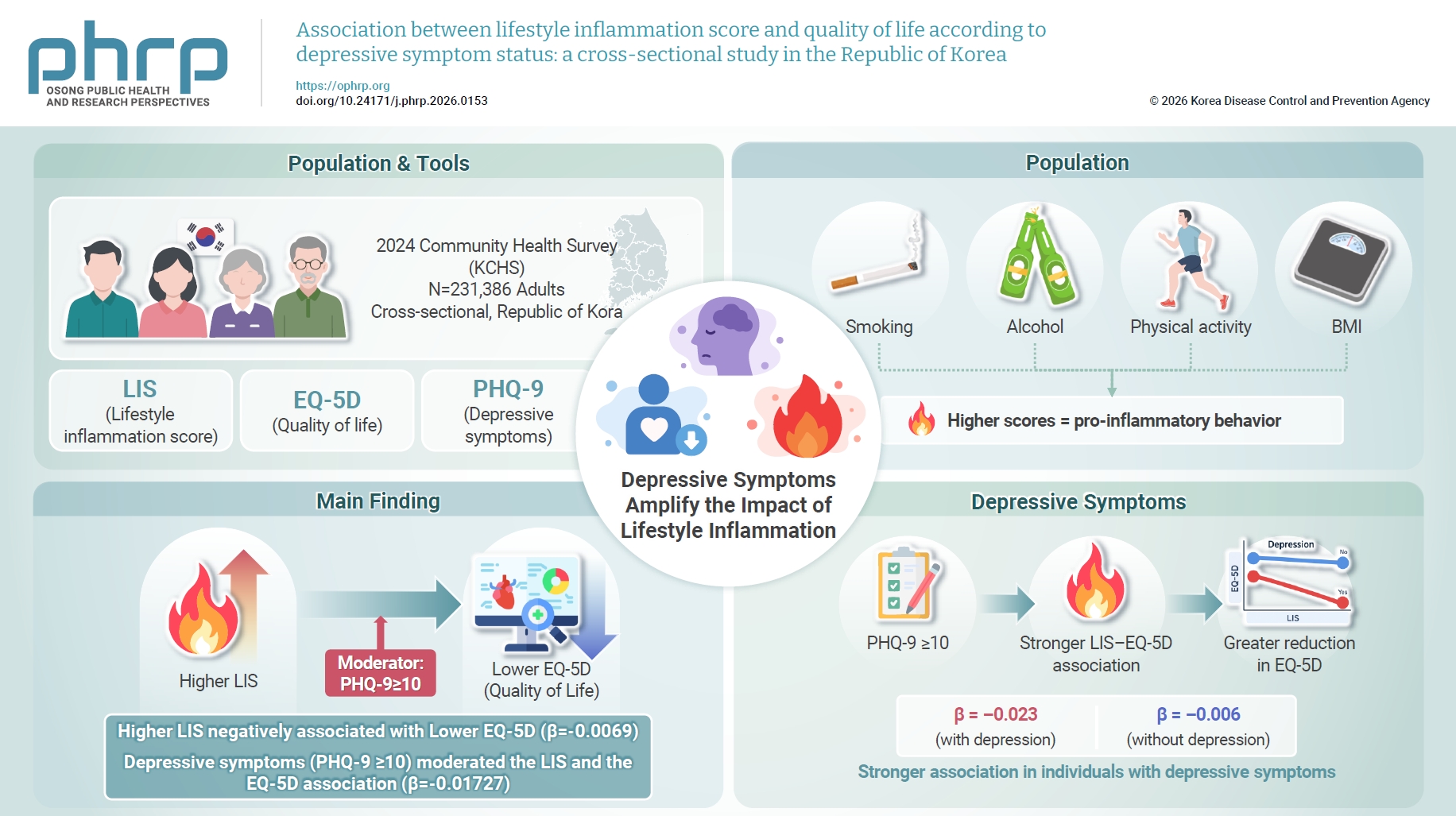
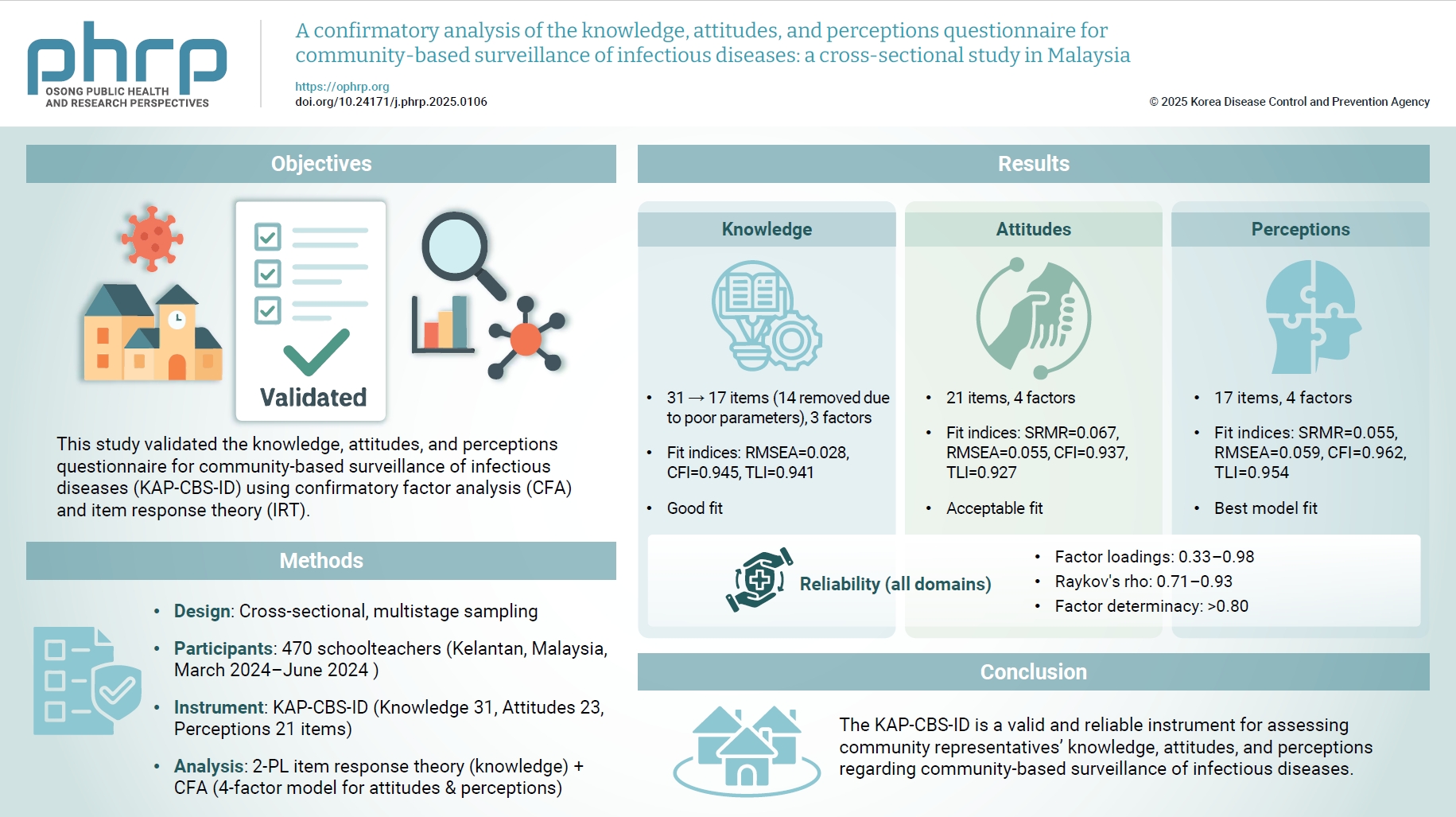


 First
 Prev


